
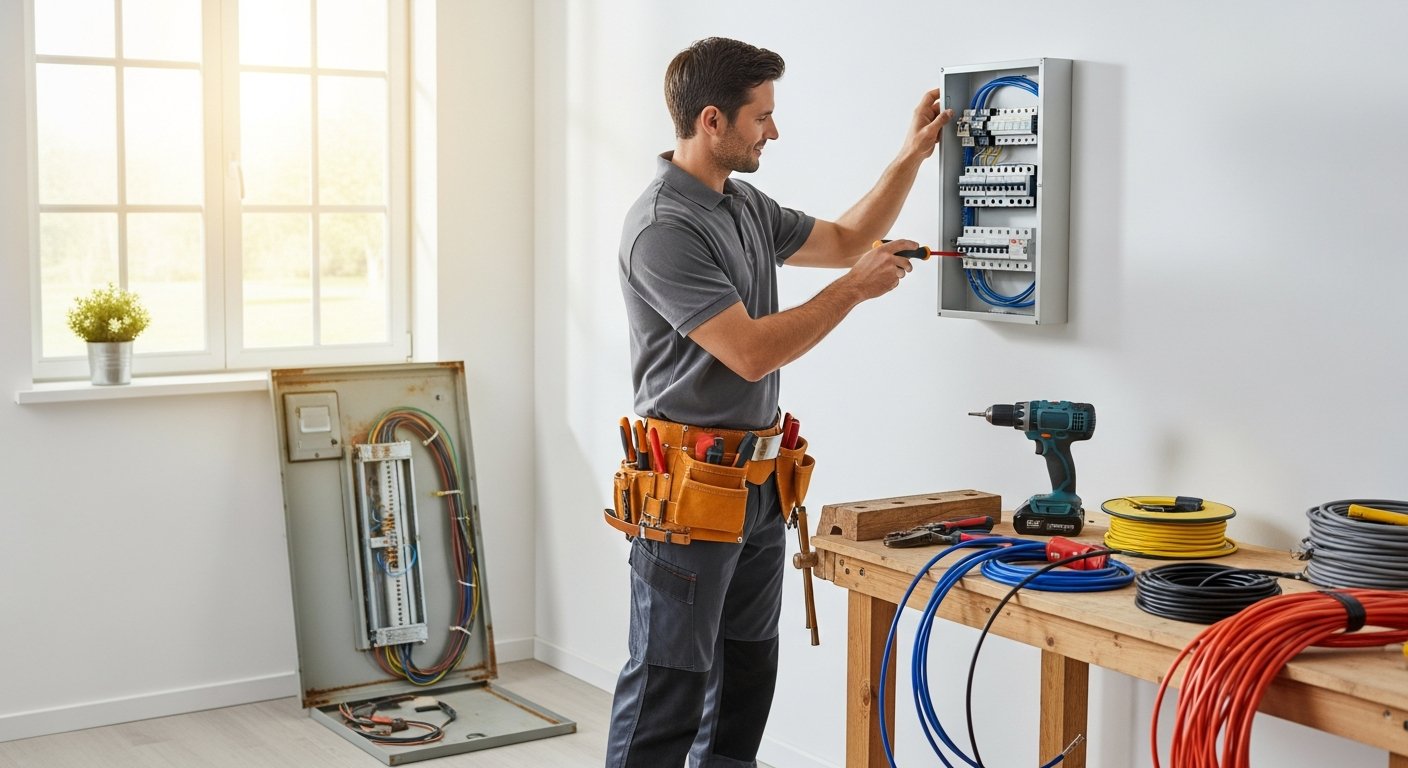
Electrical Panel Upgrade: Costs, Signs, and Savings
Learn the key signs your home needs an electrical panel upgrade, what it costs, and how to choose a qualified contractor for a safe, efficient project.

By Cameron Howard
Learn more about Circuit Breaker Panel or Fuse Box Installation for guides, costs, and what to expect.
Compare Circuit Breaker Panel or Fuse Box Installation Pros Near You

Enter your ZIP code to compare top-rated local professionals and request free quotes.
Your home's electrical panel is the silent workhorse behind every light switch, outlet, and appliance. When it struggles to keep up with modern demands, you might notice flickering lights, warm breakers, or frequent trips. These are not just annoyances; they are signals that your electrical system needs attention. An electrical panel upgrade is one of the most impactful home improvements you can make, improving safety, boosting property value, and preparing your home for the future. This guide will walk you through the signs you need an upgrade, what the project involves, how to budget for it, and how to choose the right contractor for the job.
Why Your Home May Need an Electrical Panel Upgrade
Many homes, especially those built more than 30 years ago, were designed for a much smaller electrical load. Think about it: a typical household in the 1980s had a few televisions, basic lighting, and perhaps a washer and dryer. Today, we are charging multiple devices, running high-powered computers, and relying on energy-hungry appliances like electric ovens, heat pumps, and EV chargers. The National Electrical Code has updated its requirements over the years, and many older panels simply cannot handle the current demand.
If you are experiencing any of the following, it is time to consider an upgrade:
- Frequent breaker trips: If your breakers trip often, especially when you use multiple appliances at once, your panel is overloaded.
- Buzzing or scorch marks: These are signs of overheating and a serious fire hazard.
- Flickering or dimming lights: This can indicate loose connections or an inability to supply steady power.
- Use of two-prong outlets: These lack a ground wire, which is a safety risk for you and your electronics.
- Your home has a fuse box: Fuse boxes are outdated and cannot handle modern electrical loads.
Ignoring these signs can lead to electrical fires, damage to your appliances, and costly emergency repairs. An upgrade brings your system up to current code, reduces fire risk, and gives you peace of mind. It also makes your home more attractive to potential buyers, as a modern electrical system is a major selling point.
What Does an Electrical Panel Upgrade Involve?
An electrical panel upgrade is not just swapping out a few parts. It is a comprehensive project that requires careful planning and professional execution. The process typically begins with a licensed electrician assessing your current system, your home's electrical needs, and your future plans. They will check the service capacity, the condition of the wiring, and the grounding system.
The actual upgrade usually involves installing a new panel with a higher amperage rating, often moving from 100 amps to 200 amps. This may also require upgrading the service entrance cable and the meter base, depending on your home's current setup. In some cases, the electrician may need to replace the main breaker and add new circuits to accommodate additional appliances or renovations. The work must be done to meet local building codes, and it often requires a permit and inspection by your local authority.
This is not a DIY project. Working with electricity is dangerous, and improper installation can cause fires or electrocution. A licensed professional will ensure that the job is done safely, correctly, and up to code, and they will handle the necessary permits and inspections.
How Much Does an Electrical Panel Upgrade Cost?
The cost of an electrical panel upgrade can vary widely based on several factors, including your location, the size of your home, the amperage of the new panel, and the condition of your existing wiring. On average, homeowners can expect to pay between $1,500 and $3,500 for a standard 200-amp panel upgrade. This price typically includes the panel itself, the labor, and the permit fees, but it can be higher if additional work is needed.
Here are some factors that can affect the final price:
- Amperage increase: Upgrading from 100 to 200 amps is the most common and usually costs more than a simple replacement.
- Service entrance cable: If the cable from the utility pole to your house needs to be upgraded, this can add $500 to $1,500 to the project.
- Meter base upgrade: In some cases, the utility company may require a new meter base, which can add to the cost.
- Wiring issues: If your electrician discovers outdated or unsafe wiring, you will need to address those issues before or during the panel upgrade.
- Permit and inspection fees: These vary by locality but are generally a few hundred dollars.
To get an accurate estimate, it is best to get multiple quotes from licensed electricians in your area. They can assess your specific situation and provide a detailed breakdown of costs. Remember, the cheapest quote is not always the best value; you want a contractor who is experienced, insured, and willing to stand behind their work.
Signs It's Time to Upgrade: A Deeper Look
Beyond the obvious signs, there are subtler clues that your panel is struggling. For instance, if your circuit breakers feel warm to the touch, this is a red flag. Similarly, if you smell a burning odor near the panel, or if you see rust or corrosion on the panel or breakers, you should act immediately. These are signs of overheating or moisture intrusion, both of which can lead to dangerous failures.
Another consideration is your future plans. If you are thinking about adding a home office, a new kitchen appliance, or an electric vehicle charger, your current panel may not have the capacity to handle the additional load. An upgrade now can save you from a costly and inconvenient situation later. It is also a good idea to upgrade if you are planning a major renovation, as new construction and additional circuits will likely require a more robust electrical system.
How to Choose the Right Contractor for Your Panel Upgrade
Selecting the right electrician is just as important as the upgrade itself. You want someone who is licensed, insured, and experienced with panel replacements. Start by asking for recommendations from friends, family, or your local home improvement store. Then, get at least three written estimates from different contractors. This allows you to compare pricing, but it also gives you a chance to gauge their professionalism and expertise.
When interviewing potential contractors, ask about their experience with panel upgrades specifically, and ask for references from past clients. Verify that they are licensed and insured, and ask if they will pull the necessary permits. A reputable contractor will be happy to answer your questions and will provide a clear, detailed contract. They should also explain the work they will do, the timeline, and the total cost, including any potential additional charges.
HomeReModelingsContractors.com makes this process easier by connecting you with local professionals who specialize in electrical work. You can request a free estimate and compare options from multiple contractors, ensuring you find the right fit for your project and budget. We help you avoid the guesswork and connect with vetted pros who are ready to get the job done right.
Financing Your Electrical Panel Upgrade
Given the cost, many homeowners wonder how to pay for an electrical panel upgrade. The good news is that there are several options available. Some homeowners use savings, while others use credit cards or home equity loans. However, there are also specific financing programs designed for home improvements, such as FHA Title I loans or energy-efficient mortgages, which can help spread the cost over time.
Another popular option is to finance through the contractor. Many electrical companies offer payment plans or partner with financing companies to make the cost more manageable. When you request a free estimate through HomeReModelingsContractors.com, you can discuss financing options with the contractors directly. They can provide you with a clear picture of the total cost and help you explore ways to make the project fit into your budget.
It is also worth checking with your local utility company or state energy office for any rebates or incentives that may be available for electrical upgrades that improve energy efficiency. While a panel upgrade itself may not qualify, it is often a prerequisite for other energy-saving improvements like solar panels or heat pumps, which could come with financial benefits.
The Benefits of a Modern Electrical Panel
The benefits of upgrading your electrical panel extend far beyond just avoiding inconvenience. A modern panel improves the overall safety of your home, reducing the risk of electrical fires. It also increases the value of your property, as home inspectors and buyers look favorably on updated electrical systems. With a higher amperage capacity, you have the flexibility to add new appliances or features without worrying about overloading your system.
Furthermore, many modern panels are equipped with arc-fault circuit interrupters (AFCIs) and ground-fault circuit interrupters (GFCIs), which provide enhanced protection against electrical shocks and fires. These devices are now required by code in many areas, and they offer significant peace of mind for you and your family. An upgrade also ensures that your home meets current electrical codes, which is crucial if you ever plan to sell.
In addition, a new panel can improve the reliability of your electrical supply. If you have experienced flickering lights or fluctuating power, a new panel can help stabilize the flow of electricity, protecting your sensitive electronics from damage. It is an investment in your home's infrastructure that pays off in safety, comfort, and convenience.
Steps to Take Before Calling a Professional
Before you pick up the phone to request an estimate, there are a few things you can do to prepare. First, make a list of the issues you are experiencing, such as tripping breakers or flickering lights. Note which appliances or rooms are affected, as this information can help the electrician diagnose the problem. Second, think about your future electrical needs. Are you planning to add a home office, a new water heater, or an EV charger? This will help determine the amperage you need.
Next, gather your home's electrical history if you have it. Knowing the age of your current panel and any past repairs can be helpful. Finally, check with your local building department to understand the permit and inspection requirements. This will give you an idea of what to expect and will help you verify that your contractor is following the correct procedures.
Once you have this information, you are ready to contact a few local electricians. HomeReModelingsContractors.com can help you here. Simply fill out our free estimate request form, and we will connect you with contractors who can assess your needs and provide a no-obligation quote. This process saves you time and ensures you are comparing apples to apples when you review your options.
What to Expect on the Day of the Upgrade
On the day of your electrical panel upgrade, the electrician will begin by shutting off the power to your home. This means you will be without electricity for several hours, so plan accordingly. Charge your devices, have a flashlight ready, and consider making arrangements for any medical devices that require power. The electrician will then remove the old panel, install the new one, and make the necessary connections.
The work will involve running new wires, connecting breakers, and grounding the system. After the installation is complete, the electrician will restore power and test everything to ensure it is working correctly. They will also schedule a final inspection with your local building department. Once the inspection is passed, you can enjoy the benefits of your new electrical system.
It is important to note that the power outage may last longer if the electrician discovers unexpected issues, such as damaged wiring or a non-compliant meter base. A professional will keep you informed throughout the process and will address any additional work needed, but always with your approval and a clear understanding of any extra costs.
An electrical panel upgrade is a significant undertaking, but it is one of the smartest investments you can make in your home. It protects your property, enhances your daily comfort, and prepares you for the future. By understanding the signs, the costs, and the process, you are already on the right track. The next step is to connect with a trusted professional who can help you move forward with confidence. Request your free estimate today and take the first step toward a safer, more efficient home.