
General Contractor vs. Specialized Trades: Which to Hire?
Deciding between a general contractor versus specialized trades for a home project impacts cost and risk. Call (833)-439-3727 for free estimates and expert help.

By Benjamin Reed
Learn more about General Contracting for guides, costs, and what to expect.
Compare General Contracting Pros Near You

Enter your ZIP code to compare top-rated local professionals and request free quotes.
You have a home project in mind: maybe a kitchen update, a bathroom refresh, or a full addition. You have saved the budget, picked out finishes, and now face a critical decision that will shape your project's cost, timeline, and stress level. Should you hire one general contractor to manage everything, or should you bring in specialized trades directly? The choice between a general contractor versus specialized trades for a home project is not a simple one, and it depends on the scope of your project, your budget, your tolerance for coordination, and your willingness to manage risk. This guide will walk you through the key differences, the hidden costs, and the practical steps to make the right call for your home and your wallet.
When a General Contractor Is Worth the Markup
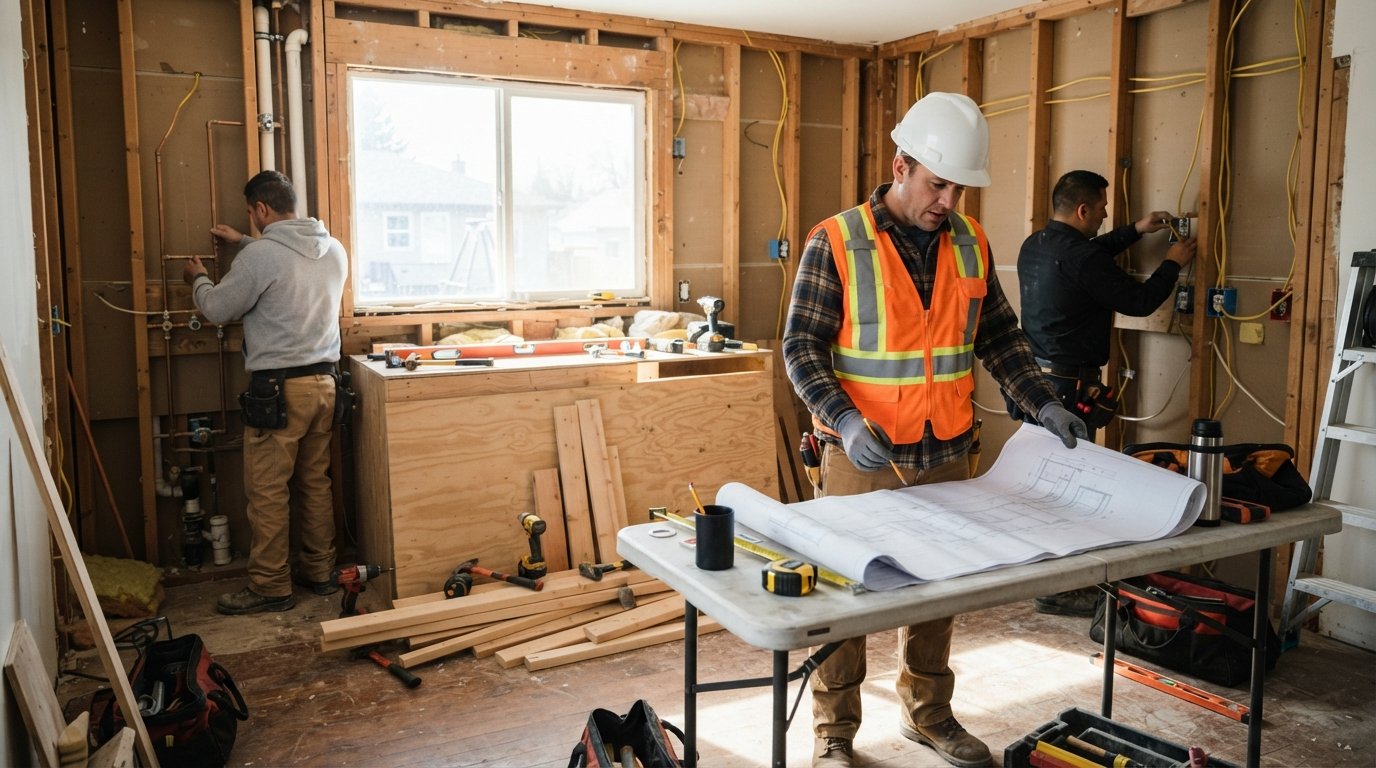
A general contractor (GC) acts as the central hub for your entire project. They hire and supervise subcontractors, handle scheduling, pull permits, and ensure that work meets building codes. For large, multi-trade projects, a GC can be the difference between a smooth renovation and a logistical nightmare. Think about a kitchen remodel: it involves demolition, plumbing, electrical, drywall, cabinetry, countertops, flooring, and painting. Coordinating all those trades requires a detailed sequence, and if one trade is late, the whole project stalls. A GC takes on that burden.
Consider a second-story addition or a whole-home remodel. These projects require structural work, roofing, HVAC, electrical, plumbing, and more. The permit process alone can be daunting, with multiple inspections required at different stages. A general contractor understands the inspection sequence and ensures that each phase is signed off before the next begins. They also carry liability insurance and workers' compensation, which protects you if a worker is injured on your property. When you hire a GC, you get a single point of contact and a contract that covers the entire scope.
However, that convenience comes at a cost. General contractors typically charge a markup of 10 to 20 percent on subcontractor work, or they build that fee into their overall price. You are paying for their expertise, their network of reliable tradespeople, and their project management skills. For a $50,000 kitchen remodel, that could mean an extra $5,000 to $10,000. But if the GC saves you from a three-week delay, prevents a costly mistake, or ensures that your project passes inspection the first time, that markup can be money well spent.
Another scenario where a GC shines is when you live out of town or have a busy schedule. You cannot be on-site every day to let in plumbers, electricians, and inspectors. A general contractor handles access, scheduling, and quality control. They also manage the budget and change orders, so you have a clear paper trail of what was spent and why. If a subcontractor does subpar work, the GC is responsible for making it right.
Projects That Typically Require a General Contractor
- Whole-home renovations or major additions: These projects involve multiple trades and complex sequencing.
- Kitchen and bathroom remodels that move plumbing or electrical: Relocating fixtures or adding circuits requires licensed trades and coordinated inspections.
- Structural changes: Removing walls, adding beams, or underpinning require engineering and permits that a GC is experienced with.
- Projects with tight timelines: A GC can compress schedules by overlapping trades efficiently.
- When you lack construction knowledge: If you cannot tell a good framing job from a bad one, a GC provides quality control.
If your project falls into one of these categories, hiring a general contractor is likely the safer and more efficient route. But before you sign, make sure you understand their fee structure and get multiple bids. In our guide on how to hire home remodeling contractors without regret, we explain how to vet GCs, compare bids, and avoid common pitfalls.
When Hiring Specialized Trades Directly Makes Sense
Not every home project requires a general contractor. If your project involves only one trade, hiring a specialized professional directly can save you money and give you more control. For example, if you need a new roof, you hire a roofing contractor. If you want to replace your water heater, you call a plumber. If you are updating your electrical panel, you bring in a licensed electrician. These specialists have the expertise, tools, and licenses to handle their specific trade, and they often charge less than a GC would for the same work.
When you hire a specialist directly, you eliminate the middleman and the markup. You also get to communicate directly with the person doing the work, which can lead to better outcomes and fewer misunderstandings. For straightforward projects like replacing a few windows, installing new flooring, or painting the interior, a specialized trade is usually the most cost-effective choice. You can often find competitive bids and schedule the work at your convenience.
However, hiring trades directly means you become the project manager. You are responsible for scheduling, permits, inspections, and quality control. If you hire a plumber and an electrician for a bathroom remodel, you need to make sure the plumber finishes rough-in before the electrician starts, and that both are done before the drywall goes up. If one trade delays, you must reschedule the others. You also need to verify that each contractor is licensed, insured, and pulls the correct permits. If a worker gets injured on your property and the contractor does not have workers' compensation, you could be liable.
Another consideration is warranty and accountability. When a GC manages the project, you have one contract and one party responsible for the entire job. If something goes wrong, you have a single point of recourse. When you hire multiple trades directly, each contractor is only responsible for their own work. If a leak appears after the plumber and tile setter have both left, it can be difficult to determine who is at fault and who will pay for the fix.
Jobs Where a Single Licensed Specialist Is the Better Fit
- Roof replacement or repair: A roofing contractor handles everything from tear-off to flashing.
- HVAC installation or service: Heating and cooling specialists are licensed for refrigerant handling and ductwork.
- Electrical upgrades: Panel replacements, new circuits, or lighting installations should be done by a licensed electrician.
- Plumbing repairs or fixture replacements: A plumber can handle leaks, clogs, and water heater swaps.
- Flooring installation: Hardwood, tile, or carpet specialists have the tools and experience for a flawless finish.
- Painting: Interior or exterior painting is often best left to professional painters for a smooth, durable result.
If your project fits into one of these categories, hiring a specialist directly is likely your best bet. You will save on the GC markup and have direct communication with the expert. Just be sure to vet the contractor thoroughly: check licenses, insurance, references, and written estimates. For more tips on finding affordable contractors without sacrificing quality, see our related guide.
Who Carries Permits, Insurance, and Scheduling Risk?
One of the biggest differences between a general contractor and specialized trades is who takes on the risk. When you hire a GC, they typically pull the permits in their name and carry general liability insurance and workers' compensation for all subcontractors. They are responsible for ensuring that the work meets code and passes inspections. If a subcontractor causes damage or gets injured, the GC's insurance is the first line of defense. You are protected as long as you have a contract with the GC and they are properly licensed.
When you hire trades directly, you become the one responsible for permits in many cases. Some municipalities allow homeowners to pull permits for their own property, but the work must still be done by licensed professionals in most cases. If you pull the permit, you are the one who schedules inspections and ensures the work complies. If a contractor offers to pull the permit, make sure they are licensed to do so and that the permit is closed out properly. Insurance is another concern: not all small contractors carry workers' compensation. If a worker is injured on your property, you could be held liable if the contractor does not have coverage. Always ask for a certificate of insurance before work begins.
Scheduling risk is another factor. With a GC, you have a single schedule that covers all trades. If one trade falls behind, the GC adjusts the schedule and keeps the project moving. With direct hires, you are the scheduler. You need to coordinate start dates, inspections, and material deliveries. If a plumber is delayed, you might have to reschedule the electrician and the drywall crew, which can add weeks to your timeline. This is why many homeowners choose a GC for complex projects: the time savings and reduced stress are worth the markup.
To summarize, here is how risk allocation typically works:
- General contractor: Pulls permits, carries insurance for all workers, manages schedule, and is the single point of accountability.
- Direct trades: Homeowner may pull permits, must verify each contractor's insurance, coordinates schedule, and manages multiple contracts.
If you are not comfortable with paperwork, scheduling, and risk management, a general contractor is the safer choice. If you have the time and knowledge to manage the process, hiring trades directly can save you money.
Cost and Timeline Differences
Cost is often the deciding factor. A general contractor will charge more upfront, but they may save you money in the long run by avoiding mistakes, delays, and rework. Specialized trades often have lower hourly rates or project prices because they do not have the overhead of a GC. However, when you add up multiple trades, the savings can be offset by your time and the risk of coordination errors.
Let us look at a hypothetical example. Suppose you are remodeling a bathroom. The project involves demolition, plumbing, electrical, tiling, and painting. If you hire a GC, they might quote you $25,000, which includes their markup and all subcontractor costs. If you hire the trades directly, you might pay $8,000 for plumbing, $3,000 for electrical, $6,000 for tiling, $2,000 for painting, and $2,000 for demolition and disposal, totaling $21,000. That is a $4,000 savings. But you will spend hours coordinating schedules, pulling permits, and inspecting work. If one trade makes a mistake that causes $2,000 in damage, your savings shrink. And if the project takes two extra weeks because of scheduling conflicts, you may be without a bathroom for longer than planned.
Timeline differences can be significant. A GC typically has established relationships with subcontractors and can get them on site quickly. They also know how to sequence work to minimize downtime. When you hire trades directly, you are at the mercy of their availability. A plumber might be booked for three weeks, pushing back the entire project. A GC can often juggle schedules and apply pressure to keep things moving.
Another cost factor is change orders. With a GC, any changes to the scope are documented and priced, and the GC manages the impact on the schedule. With direct trades, you might have to negotiate changes with multiple contractors, which can lead to confusion and extra costs. A GC also typically provides a detailed estimate that covers the entire project, so you can budget with confidence. When hiring trades directly, you need to get separate estimates and ensure that nothing is missed.
For homeowners on a tight budget, hiring trades directly can be a way to save, but it requires careful planning. You can use free estimate services to compare bids from multiple contractors and ensure you are getting fair prices. At BuySellRemodel, homeowners can connect with local professionals and get free estimates for their projects, making it easier to compare options and find the right fit.
How to Vet Specialists When You Act as Your Own Coordinator
If you decide to hire specialized trades directly, you become the general contractor. That means you need to vet each professional thoroughly. Start by checking licenses: not all states require licenses for every trade, but electricians and plumbers are typically licensed. Ask for proof of insurance, including general liability and workers' compensation. Call references and ask about their experience with similar projects. Get written estimates that detail the scope of work, materials, and timeline.
It is also important to have a written contract with each contractor. The contract should specify the work to be done, the price, the payment schedule, and the warranty. Avoid paying large deposits upfront; a reasonable deposit is 10 to 20 percent. Hold back final payment until the work is complete and inspected. Schedule inspections with your local building department at the appropriate stages, and do not cover up work until it has been approved.
Communication is key. Create a shared calendar or spreadsheet to track each contractor's start and end dates, inspections, and material deliveries. Confirm dates in writing and follow up with phone calls. If a contractor is running late, notify the others immediately so they can adjust. Keep a binder with all permits, contracts, and receipts. This documentation will be invaluable if a dispute arises or if you sell your home.
Finally, know your limits. If you are not comfortable managing multiple trades, or if the project is complex, consider hiring a GC. The money you save by self-coordinating may not be worth the stress and risk. For many homeowners, the peace of mind that comes with a general contractor is worth the extra cost.
Making the choice between a general contractor and specialized trades for your home project is a balance of cost, time, and risk. Assess your project's complexity, your budget, and your willingness to manage the process. Whether you hire a GC or individual specialists, always vet your contractors, get multiple estimates, and insist on written contracts. With the right team, your home project can be a success.