
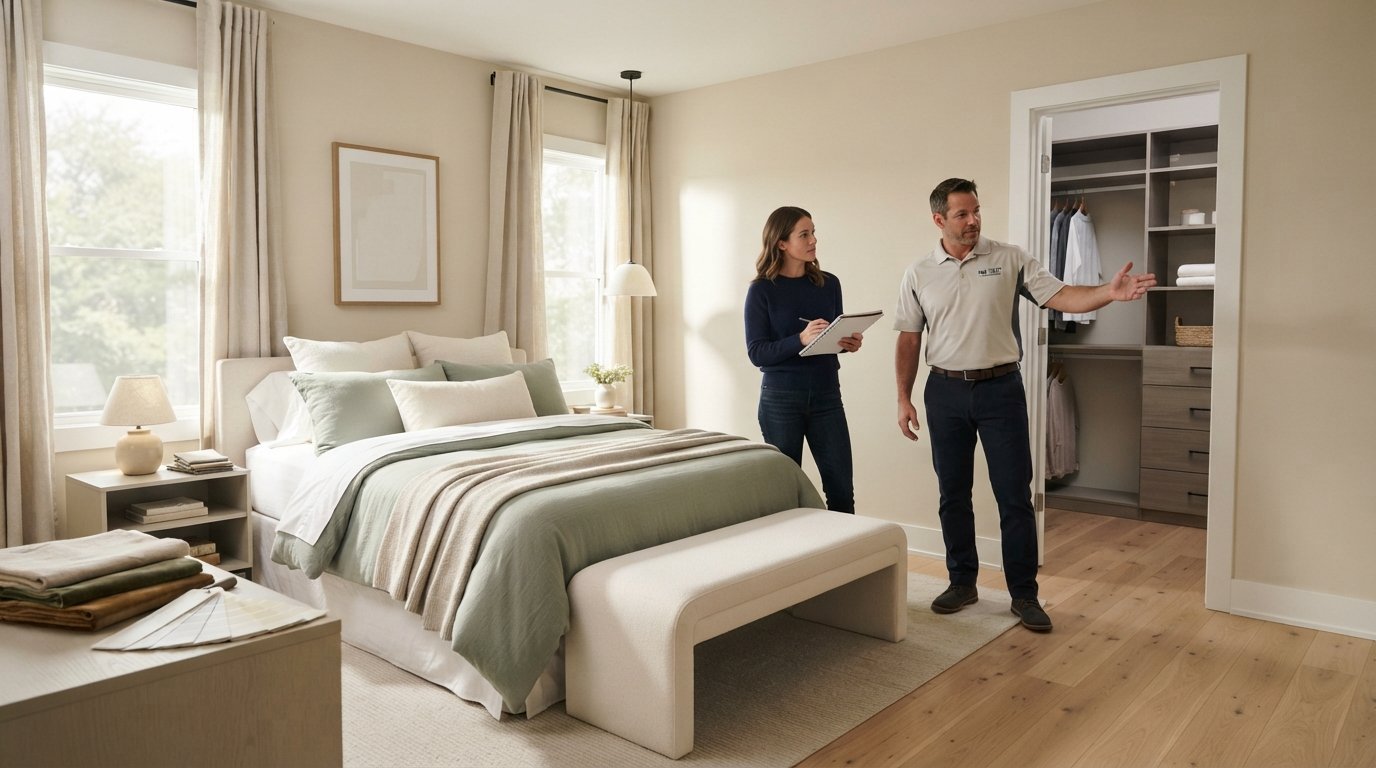
Master Bedroom Remodel Cost and Design Ideas for 2026
Plan your master bedroom remodel cost and design ideas with confidence. For free estimates and expert help, call (833)-439-3727 today.

By Sophie Shaw
Learn more about Room Remodel for guides, costs, and what to expect.
Compare Room Remodel Pros Near You

Enter your ZIP code to compare top-rated local professionals and request free quotes.
A master bedroom should feel like a retreat, but the cost of turning a plain space into a restful haven can catch homeowners off guard. Whether you are dreaming of a spa-like ensuite, a walk-in closet, or simply a calmer layout, understanding the real numbers behind a master bedroom remodel helps you plan with confidence. In 2026, typical master bedroom remodels range from a few thousand dollars for cosmetic updates to well over $50,000 for full gut renovations with layout changes. The key is knowing where to spend and where to save, so you get the comfort and style you want without blowing your budget.
What a Master Bedroom Remodel Typically Costs
Costs vary widely based on scope, location, and material choices. A light refresh (paint, flooring, and new light fixtures) might cost $3,000 to $8,000. A mid-range remodel that includes a custom closet, upgraded lighting, and new trim falls between $10,000 and $25,000. A high-end project with layout changes, added square footage, or a luxury ensuite can exceed $50,000. These ranges give you a starting point, but your actual number depends on the specific work involved.
To build a realistic budget, break the project into categories. Labor typically accounts for 40 to 60 percent of the total, while materials make up the rest. Structural changes, electrical upgrades, and plumbing additions are the biggest cost drivers. For example, moving a wall or adding a bathroom requires permits, professional trades, and inspections, all of which add to the bottom line. If you are also updating a bathroom, our bathroom remodel cost breakdown provides detailed pricing that can help you plan a connected project.
Here is a quick breakdown of common cost components for a mid-range master bedroom remodel:
- Design and permits: $1,000 to $3,000
- Demolition and disposal: $500 to $2,000
- Electrical and lighting: $1,500 to $4,000
- Drywall, paint, and trim: $2,000 to $5,000
- Flooring: $2,000 to $6,000
- Closet system: $1,500 to $6,000
- Furniture and decor: variable, often $2,000 to $10,000
These figures are estimates, and actual prices depend on your region and the professionals you hire. Getting multiple free estimates is the best way to pin down costs for your specific project. HomeReModelingsContractors.com connects you with local contractors who can provide detailed quotes, so you can compare options and move forward with confidence.
Design Ideas That Maximize Comfort and Style
Design choices have a huge impact on both the look and the cost of your remodel. Start with a clear vision of how you want to use the space. Do you need a quiet reading corner, a home office nook, or a more spacious layout? Answering these questions early helps you prioritize spending. A layout that improves flow and function often delivers more satisfaction than expensive finishes.
Lighting is one of the most impactful upgrades. Layered lighting (ambient, task, and accent) creates a relaxing atmosphere and adds functionality. Consider dimmable recessed lights, bedside sconces, and a statement ceiling fixture. If your current wiring is outdated, this is the time to upgrade. A licensed electrician can add outlets, switches, and dedicated circuits safely. Expect to spend $1,500 to $4,000 on electrical work, depending on the scope.
For flooring, hardwood and luxury vinyl plank remain popular for their durability and warmth. Carpet is still a favorite in bedrooms for its softness and sound absorption. If you are considering carpet, our carpet installation cost guide outlines price ranges and tips for choosing the right pad and fiber. Tile is another option, especially if you have an ensuite, but it can feel cold underfoot. Heated floors are a worthwhile upgrade in colder climates, adding $1,000 to $3,000 to the project.
Color and finishes set the mood. Soft neutrals, warm wood tones, and natural textures create a calming environment. Accent walls or wallpaper can add personality without a huge investment. Built-in storage, such as window seats with drawers or floating shelves, keeps clutter at bay and makes the room feel larger. These custom touches often cost less than structural changes but deliver a high visual return.
Affordable Luxury Upgrades That Add Comfort
You do not need a six-figure budget to make your master bedroom feel luxurious. Strategic upgrades can elevate the space without breaking the bank. Focus on items you interact with daily: the bed, lighting, and storage. A high-quality mattress and bedding set can transform your sleep quality. Adjustable lighting and blackout curtains improve rest and privacy. A custom closet system, even a modest one, brings order and makes mornings easier.
Consider these budget-friendly luxury touches:
- Smart thermostat and motorized blinds: $500 to $1,500 installed, adding convenience and energy savings.
- Built-in bench or window seat: $800 to $2,500, providing extra seating and storage.
- Accent lighting and dimmers: $300 to $800, creating a hotel-like ambiance.
- Soundproofing: $500 to $1,500 for insulation and solid-core doors, reducing noise for better sleep.
- Ceiling fan with remote: $200 to $600 installed, improving air circulation and comfort.
These upgrades are relatively inexpensive compared to major structural work, yet they significantly enhance daily comfort. They also add resale value by making the room more functional and appealing to future buyers. When planning, prioritize upgrades that address your pain points, whether that is noise, light, or storage.
Storage and Closet Integration Ideas
Storage is often the biggest challenge in a master bedroom. A well-designed closet can double your usable space and reduce clutter. Walk-in closets are highly desirable but require square footage. If you do not have room for a walk-in, reach-in closets with custom organizers can be just as efficient. Modular systems from home centers are affordable and easy to install, while custom built-ins offer a seamless look but cost more.
Beyond the closet, look for opportunities to add storage throughout the room. Under-bed drawers, storage benches, and tall dressers maximize vertical space. Built-in shelving around the bed or above a desk area adds both display and storage. If your bedroom has an awkward alcove or unused corner, a custom cabinet or reading nook can turn it into a functional asset. These solutions range from a few hundred dollars for ready-made units to several thousand for custom carpentry.
When planning closet integration, think about your daily routine. Do you need more hanging space, shelves for folded items, or drawers? A professional closet designer can help you optimize the layout. Many contractors offer free estimates for closet systems, so you can compare options. Remember that proper lighting inside the closet and easy-to-reach shelves make the space more usable. A well-organized closet can feel like a luxury upgrade even on a modest budget.
When to Hire a Pro Versus Do It Yourself
Some master bedroom updates are DIY-friendly, while others require professional expertise. Painting, swapping light fixtures (if wiring is straightforward), and assembling ready-made closet systems are tasks many homeowners can handle. However, anything involving electrical, plumbing, or structural changes should be left to licensed professionals. Improper work can be dangerous and costly to fix, and it may void insurance or fail inspection.
Here is a simple guide to help you decide:
- DIY: Painting, minor cosmetic updates, installing shelving, assembling furniture, and swapping switch plates.
- Hire a pro: Electrical work, plumbing, moving walls, installing new flooring (especially hardwood or tile), custom carpentry, and HVAC changes.
- Consider a handyman: For small repairs or installations that do not require a licensed trade, a handyman can be cost-effective.
Even for DIY projects, getting a professional opinion can save you time and money. For larger remodels, a general contractor coordinates trades, manages permits, and ensures quality. When hiring, get at least three bids, check references, and verify licenses and insurance. Our guide on how to hire a remodeling contractor without regret walks you through the vetting process step by step. And if you are looking for a reliable way to connect with local pros, BuySellRemodel helps homeowners plan affordable projects and find experienced contractors, from free estimates to completed work.
Planning Your Budget and Timeline
A successful remodel starts with a realistic budget and timeline. Begin by determining how much you can afford to spend without financing stress. Include a contingency fund of 10 to 20 percent for unexpected issues, especially in older homes. Then, prioritize your wish list into must-haves and nice-to-haves. This helps you make trade-offs if costs run higher than expected.
Create a timeline that accounts for design, permitting, ordering materials, and construction. Simple cosmetic updates might take a few weeks, while full renovations can take two to four months. Delays can happen, so build in buffer time. Communicate openly with your contractor about your schedule and any hard deadlines. Keep a folder with contracts, receipts, and change orders for your records.
Finally, think about resale value. While you are remodeling for your own enjoyment, certain upgrades pay off when you sell. Energy-efficient windows, updated lighting, and a well-organized closet are attractive to buyers. A master bedroom that feels spacious, comfortable, and functional is a strong selling point. By balancing cost and design, you can create a retreat that serves you now and adds value later.
Ready to get started? Request free estimates from local contractors to compare costs and find the right pro for your master bedroom remodel. With clear planning and the right team, your dream bedroom is within reach.