
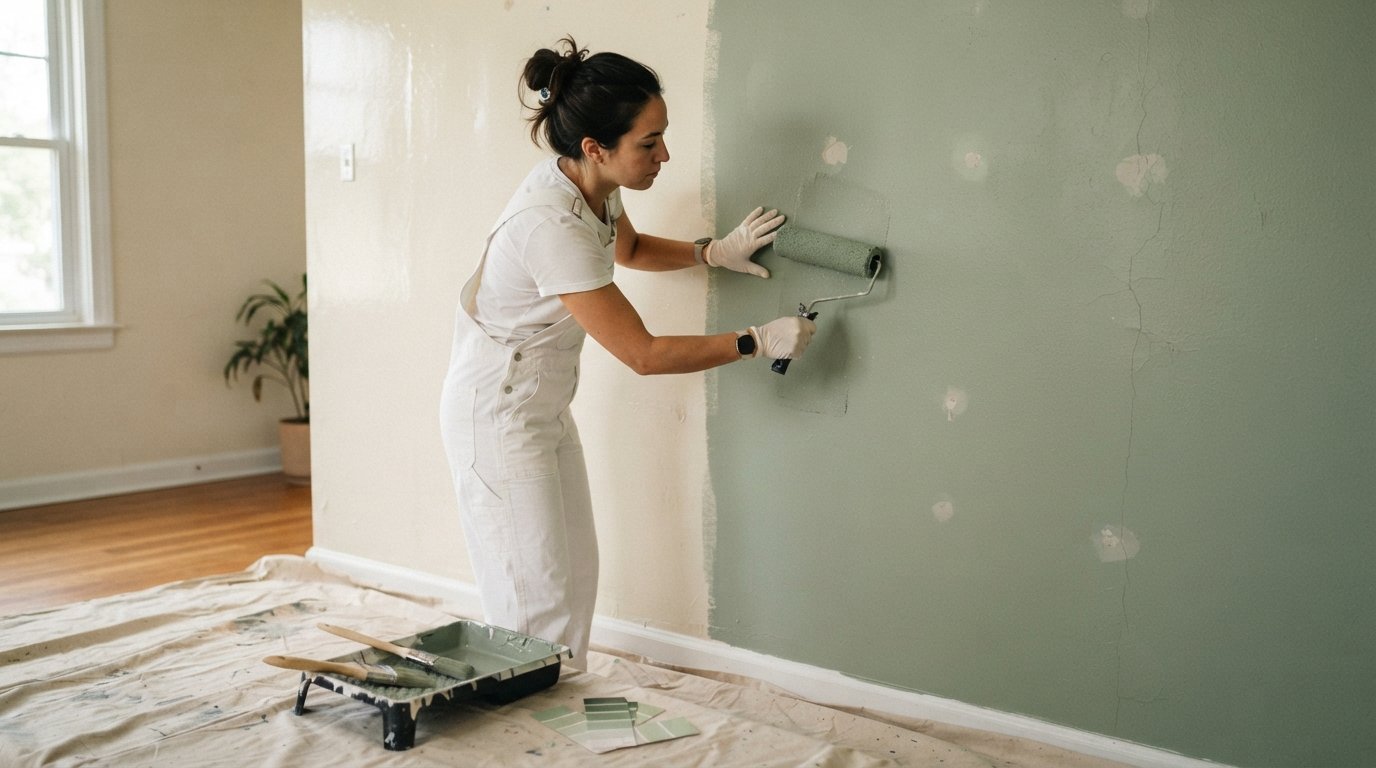
Paint Color and Finish Choices That Hide Imperfections
The right paint color and finish choices that hide imperfections can make flawed walls look smooth. Learn which sheens and hues work best.

By Sarah Thomas
Learn more about Interior Painting for guides, costs, and what to expect.
Compare Interior Painting Pros Near You

Enter your ZIP code to compare top-rated local professionals and request free quotes.
Every wall tells a story, but sometimes that story includes hairline cracks, patched drywall, uneven texture, or scuff marks that you would rather not highlight. The good news is that the right paint color and finish choices that hide imperfections can transform a flawed surface into a smooth, polished backdrop. Whether you are preparing a room for sale, refreshing a rental, or simply want your home to look its best without a full skim coat, understanding how light, sheen, and color interact with surface flaws is the first step. This guide breaks down the science and strategy behind paint that flatters rather than exposes, so you can choose with confidence and get professional-looking results.
Why Paint Color and Finish Matter More Than You Think
Paint does not just add color; it changes how light behaves on a surface. Glossy finishes reflect light directly, which can create a mirror-like effect that magnifies every bump, dent, and patch. Matte finishes, on the other hand, scatter light in multiple directions, softening shadows and blurring the edges of minor flaws. This is why a high-gloss wall in a hallway often looks worse after painting if the drywall was not perfectly smooth, while a matte finish in the same space can make those same imperfections nearly disappear.
Color plays an equally important role. Dark colors absorb light and tend to conceal shadows, but they can also show dust and fingerprints more readily. Light colors reflect light and can wash out texture, making flaws less noticeable in some cases but more visible in others if the light is harsh. The key is to match the color and finish to the specific type of imperfection you are dealing with and the lighting conditions of the room.
Before you commit to a color, it helps to understand the full scope of your painting project, including surface preparation and potential costs. For a detailed breakdown of what to expect, see our guide on interior painting costs and tips. Knowing the investment helps you prioritize where to spend on premium paint and where to save.
Best Paint Finishes for Hiding Wall Imperfections
Finish, also called sheen, is the single most powerful tool for disguising flaws. The general rule is simple: the lower the sheen, the more forgiving the paint. However, lower sheen also means less durability and harder cleaning, so you need to balance hideability with practicality based on the room.
Here is a quick breakdown of common finishes and how they perform on imperfect surfaces:
- Flat or Matte: The best choice for hiding cracks, patches, and uneven texture. It absorbs light and creates a velvety look. Not ideal for high-traffic areas or rooms with moisture because it is hard to clean.
- Eggshell: A step up in durability with a subtle sheen. It hides minor flaws better than satin or semi-gloss but still allows some scrubbing. Great for living rooms, dining rooms, and bedrooms.
- Satin: More reflective, so it can highlight bumps. However, in darker colors, satin can still conceal some imperfections. Best for kitchens, bathrooms, and kids' rooms where washability matters.
- Semi-Gloss and Gloss: Highly reflective and unforgiving. Use these on trim, doors, and cabinets, not on imperfect walls. They will spotlight every flaw.
If you must use a washable finish in a room with flawed walls, consider a matte or eggshell finish in a high-quality paint that offers scrub resistance. Many modern paint lines now offer matte finishes that can be cleaned, giving you the best of both worlds. Always test a sample on the actual wall to see how the sheen interacts with your lighting and surface texture.
Choosing Paint Colors That Camouflage Flaws
Color selection is not just about aesthetics; it is a strategic decision when your walls are less than perfect. The right hue can make cracks and bumps fade into the background, while the wrong one can make them pop.
Mid-tone and warm colors are generally more forgiving than stark whites or very dark shades. Off-whites, beiges, greiges (gray-beige blends), and soft taupes create a gentle contrast that distracts the eye from texture. Deep colors like navy, charcoal, or forest green can also work well because they absorb light and blur shadows, but they may show dust and scuffs more easily. The worst choices for imperfect walls are high-gloss bright whites and pastels, which reflect light and highlight every ridge and dip.
Another strategy is to use a color that is similar to the color of the imperfections themselves. For example, if you have yellowish water stains, a warm beige or tan can help blend them in. If you have dark patched areas, a mid-tone gray or brown can reduce contrast. The goal is to minimize the visual difference between the flaw and the surrounding wall.
Lighting also dictates color perception. In a room with lots of natural light, colors appear lighter and more saturated; in dim rooms, they look darker and muted. Always view paint samples at different times of day and under both natural and artificial light before making a final decision.
Surface Preparation: The Real Secret to a Flawless Finish
Even the most forgiving paint cannot work miracles on a poorly prepared surface. Proper prep is the foundation of any successful painting project, and it is especially critical when you are trying to hide imperfections. Skipping steps here will only make flaws more visible after the paint dries.
Start by cleaning the walls to remove dirt, grease, and dust. Then, inspect for cracks, holes, and peeling paint. Fill small cracks with spackle or joint compound, and sand smooth once dry. For larger holes, use a patch kit. After patching, prime the repaired areas with a stain-blocking primer to prevent bleed-through and ensure an even topcoat.
Texture is another consideration. If your walls have a heavy knockdown or orange-peel texture, a flat finish will help soften it. If the texture is uneven due to poor drywall work, you may need to skim coat the entire wall for a smooth surface before painting. This is labor-intensive, but it can be worth it if you want a truly flawless look.
For homeowners who prefer to hire a pro for prep and painting, connecting with experienced local contractors can save time and ensure quality. BuySellRemodel helps homeowners plan affordable home improvement projects and connect with experienced local contractors. From free estimates to remodeling, repairs, and upgrades, they make it easier to find the right pro and get the job done right.
Room-by-Room Strategies for Hiding Imperfections
Different rooms have different lighting, traffic, and moisture levels, so your paint strategy should adapt accordingly. Here are some tailored recommendations for common areas.
Living Rooms and Bedrooms
These are low-moisture, low-traffic spaces where you can prioritize hideability over washability. Matte or eggshell finishes in warm mid-tone colors work beautifully. If you have a textured ceiling, paint it in a flat white to minimize shadows. For walls with minor cracks, a flat finish in a color like sage green or warm gray will make them virtually disappear.
Kitchens and Bathrooms
Moisture and grease require a more durable finish, but you can still hide flaws. Choose a satin or eggshell finish in a mid-tone color. Avoid high-gloss, which will highlight every splash and bump. If your cabinets are imperfect, consider a semi-gloss for durability, but be prepared to spend extra time on prep and sanding to get a smooth surface.
Hallways and Stairs
These high-traffic areas need washable paint, but they also often have imperfect walls due to frequent contact. A satin finish in a darker color can hide scuffs and marks better than light colors. Consider a two-tone approach: a darker color on the lower half (wainscoting or a painted band) to hide scuffs, and a lighter color above.
No matter the room, always test your chosen color and finish on a small section of the wall. What looks good on a paint chip may look completely different on your actual surface.
Common Mistakes to Avoid When Painting Imperfect Walls
Even with the best intentions, some missteps can sabotage your efforts. Being aware of these common pitfalls can save you time, money, and frustration.
One major mistake is choosing a high-sheen paint for walls with flaws. Gloss and semi-gloss are best reserved for trim and doors. Another is skipping primer, especially over patched areas. Primer seals the patch and creates a uniform surface for the topcoat. Without it, the patch may flash or show through.
Using the wrong roller nap can also create unwanted texture. For smooth walls, use a short nap roller; for textured walls, a medium nap. And do not over-brush or over-roll, which can leave lap marks and uneven sheen.
Finally, do not underestimate the importance of lighting. If you paint a wall with a flat finish but the room has harsh downlights, the light may still catch subtle bumps. Consider adding a floor lamp or dimmer switches to soften the lighting and reduce shadowing.
When to Call a Professional Painter
While many homeowners can achieve great results with careful DIY painting, some situations call for a professional. If your walls have extensive damage, water stains, or require major drywall repair, a pro can ensure the surface is properly prepped and primed. Professional painters also have access to high-quality materials and techniques that can make a big difference in the final look.
Hiring a pro is also wise if you have high ceilings, intricate trim, or simply lack the time and tools to do the job right. When you work with a contractor, you can discuss your goal of hiding imperfections and get advice on the best paint products and finishes for your specific walls.
To find qualified painters in your area, request free estimates from multiple contractors. Compare their recommendations, ask about their prep process, and check references. The right professional will not only paint but also help you solve the underlying surface issues.
By combining smart color and finish choices with proper preparation and, when needed, professional help, you can achieve walls that look beautiful and forgiving. Paint is a powerful tool, and with a little knowledge, you can make it work in your favor.