
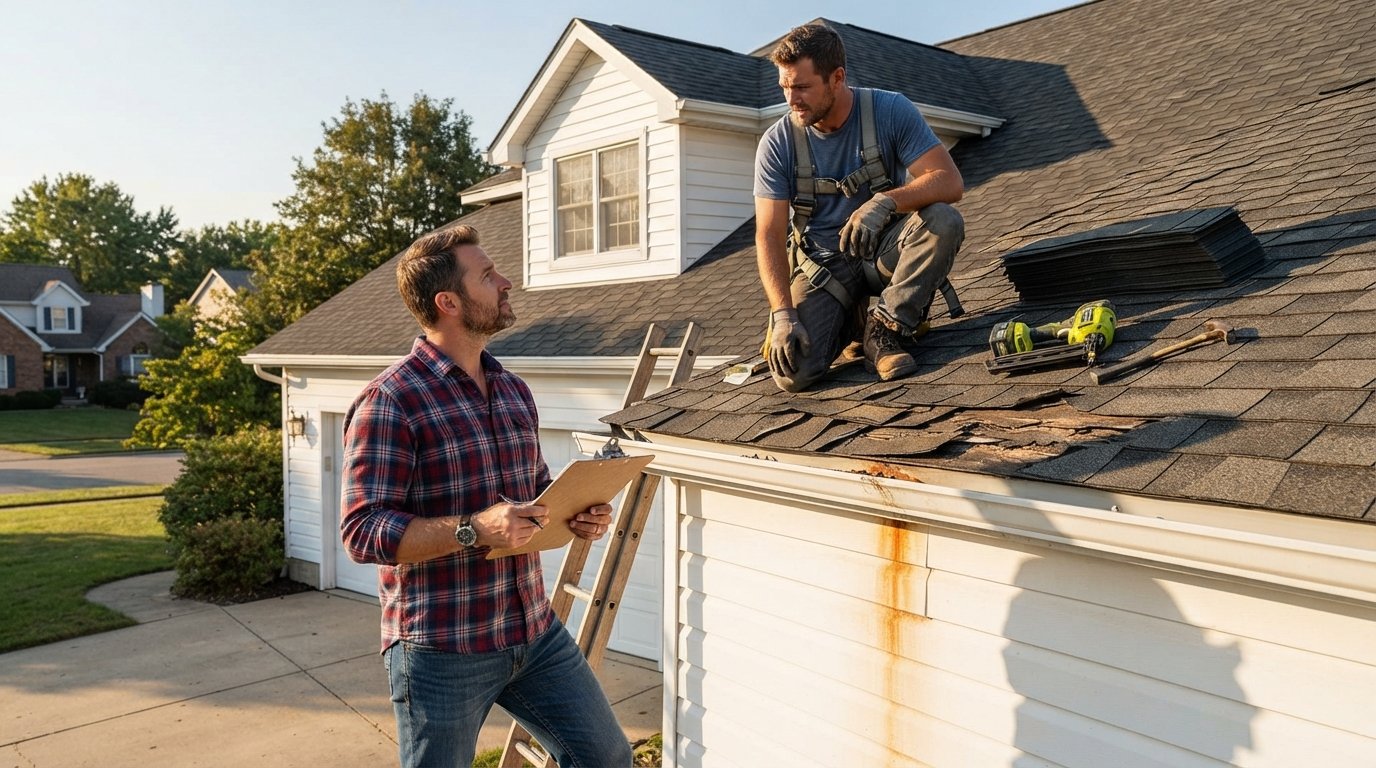
Roof Repair Costs: 2026 Price Guide and Pro Tips
Discover common roof repair costs and when to call a pro, plus money-saving tips to avoid surprise bills and extend your roof's life.

By Sarah Thomas
Learn more about Roof Repair or Maintenance for guides, costs, and what to expect.
Compare Roof Repair or Maintenance Pros Near You

Enter your ZIP code to compare top-rated local professionals and request free quotes.
Your roof is your home's first line of defense, but it is also one of the most expensive systems to maintain. When a leak stains your ceiling or a storm rips off a few shingles, the immediate question is always the same: how much is this going to cost, and can I handle it myself? The truth is that common roof repair costs and when to call a pro depend on a mix of factors, including the type of damage, the roofing material, your location, and your own skill level. Understanding these variables before you pick up the phone or climb a ladder can save you hundreds of dollars and a great deal of stress.
In this guide, we break down the most frequent roof problems, give you realistic price ranges for each repair, and help you decide when a DIY fix is acceptable and when you absolutely need to hire a licensed contractor. We also share practical tips for avoiding surprise bills and getting the most value from your repair budget. By the end, you will have a clear action plan for handling roof issues without overpaying or compromising your home's safety.
Average Roof Repair Costs by Problem Type
Roof repair pricing is not one-size-fits-all. A small leak around a vent pipe might cost under $300, while replacing a large section of damaged flashing could run over $1,000. To make sense of these numbers, we have compiled typical price ranges for the most common roof repairs. These figures reflect national averages in 2026 and can vary based on your region, the pitch of your roof, and the contractor you choose.
Here is a quick breakdown of what you can expect to pay for common issues:
- Shingle replacement (single or small patch): $150 to $800, depending on the number of shingles and the material (asphalt, architectural, or premium).
- Leak repair around flashing or vent pipes: $200 to $600, including labor and basic sealing materials.
- Flashing replacement or resealing: $300 to $1,000, especially around chimneys, skylights, and valleys.
- Gutter guard installation or repair: $150 to $500 for a standard section, though full gutter replacement is more expensive.
- Full roof replacement (not a repair, but often compared): $5,000 to $12,000 for a typical 1,500-square-foot home, depending on material and labor.
These ranges give you a ballpark, but the final quote depends on your specific situation. For example, a flat roof with a rubber membrane may require a completely different repair method than a steep asphalt shingle roof. Always ask for a detailed written estimate that breaks down materials, labor, and any disposal fees. This transparency helps you compare bids and avoid hidden charges later.
When to Call a Pro vs. DIY Roof Repair
Some homeowners are tempted to handle roof repairs themselves to save money, and in a few cases, that is a reasonable option. For instance, replacing a single missing shingle or cleaning out a clogged gutter is a manageable DIY project if you are comfortable on a ladder and have the right safety gear. However, most roof work involves risks that go far beyond a simple fall, including structural damage, electrical hazards, and the potential for making a small problem much worse.
So, how do you decide? The general rule is to call a professional for any repair that involves the roof deck, flashing, underlayment, or significant areas of shingle damage. These components are critical to your roof's water-shedding ability, and a botched DIY repair can lead to rot, mold, and interior damage that costs thousands to fix. Additionally, many roofing material warranties become void if unlicensed individuals perform repairs. If you are unsure about the extent of the damage, a free inspection from a licensed contractor is always the safer choice.
Signs You Need Professional Help
Some warning signs are obvious, such as water dripping from your ceiling. Others are subtle, like a musty odor in your attic or small granules collecting in your gutters. If you notice any of the following, it is time to schedule a professional roof inspection:
- Multiple missing, cracked, or curling shingles across a wide area.
- Light visible through the roof boards or a sagging roofline.
- Water stains on interior ceilings or walls, which indicate a leak that has already penetrated the deck.
- Damaged or rusted flashing around chimneys, vents, or skylights.
- Excessive granule loss in gutters, which suggests shingles are nearing the end of their lifespan.
Ignoring these signs can turn a minor repair into a full replacement. For example, a small leak that is left untreated can soak insulation, rot wooden rafters, and create an ideal environment for mold. By the time you notice the damage from inside your home, the repair cost may have doubled or tripled. Professional contractors use tools like infrared cameras and moisture meters to detect hidden leaks, which is something a DIY inspection cannot match.
Factors That Influence Roof Repair Costs
Beyond the type of damage, several other factors determine how much you pay for a roof repair. Understanding these can help you anticipate costs and make smarter decisions about when to schedule work.
Roof slope and accessibility: Steep roofs are dangerous to work on, so contractors charge more for the added risk and the need for specialized equipment like harnesses and scaffolding. Similarly, a roof with multiple stories or tight corners may require extra labor time.
Material type and quality: Asphalt shingles are the most common and most affordable to repair. Metal, tile, slate, and wood shake roofs are more expensive because the materials cost more and the installation requires specialized skills. For example, a single slate tile can cost $15 to $30 just for the material, plus labor, while an asphalt shingle might cost $2 to $5.
Extent of the damage: A single leak can sometimes be fixed for under $200, but if the leak has been active for weeks, the underlying plywood may need to be replaced. Water damage often spreads beyond the visible stain, so contractors must remove and replace larger sections of the roof deck. This can easily add $500 to $1,500 to your bill.
Permits and local codes: Some municipalities require permits for roof repairs, especially if the work involves structural changes or large sections. Permit fees vary from $50 to $300, and a licensed contractor will handle the paperwork for you. Skipping permits can lead to fines and problems when you sell your home, so always follow local regulations.
Seasonal demand: Roofers are busiest in spring and fall when the weather is mild. If you need an emergency repair during a storm or in the middle of winter, expect to pay a premium for after-hours service. Planning ahead and scheduling routine maintenance during off-peak months can save you money.
How to Get Accurate Quotes and Save Money
Because roof repair is a significant investment, you should never settle for the first quote you receive. Instead, follow a simple process to ensure you get a fair price and quality workmanship.
Start by getting at least three written estimates from licensed and insured contractors. Ask each one to provide a detailed breakdown of materials, labor, and any additional fees. Be wary of quotes that are significantly lower than the others, as they may indicate low-quality materials or a contractor who cuts corners. Conversely, a very high quote does not always mean better work. Look for a balance of fair pricing, strong reviews, and clear communication.
When you receive your estimates, compare them side by side. Pay attention to the types of shingles or materials being used, the warranty offered, and the estimated timeline for completion. A good contractor will walk you through the repair plan and explain why certain steps are necessary. If a contractor pressures you to sign immediately or demands a large deposit upfront, consider that a red flag.
One effective way to save money is to bundle smaller repairs. If you have a few loose shingles and a slightly damaged gutter, ask the contractor to fix both in one visit. Most pros offer a discount for multiple tasks because it reduces their travel time and overhead. You can also ask about repair versus replacement for aging roofs. If your roof is over 20 years old and has widespread damage, a full replacement might be more cost-effective than a series of repairs.
For a broader perspective on managing home improvement costs, including how to prioritize projects and budget effectively, check out our guide on patio installation costs and planning, which covers similar decision-making principles.
Common Roof Repair Mistakes to Avoid
Even with the best intentions, homeowners often make avoidable mistakes when dealing with roof issues. These errors can lead to higher costs, safety hazards, and voided warranties.
Ignoring small problems: A single missing shingle might seem harmless, but it exposes the underlayment to UV rays and moisture. Over time, this can cause the surrounding shingles to crack and the deck to rot. Addressing issues early is always cheaper than waiting for them to escalate.
Hiring an unlicensed contractor: It is tempting to hire a neighbor who offers a low cash price, but unlicensed work often lacks permits, insurance, and quality guarantees. If something goes wrong, you have no recourse, and you may be liable for injuries on your property. Always verify a contractor's license and insurance before signing a contract.
DIY on complex repairs: Roof work is physically demanding and dangerous. Falls account for a significant number of home improvement injuries each year. Beyond the safety risk, improper installation can void your roof warranty and cause leaks that are difficult to trace. Leave complex repairs to professionals who have the training and equipment.
Choosing the cheapest quote automatically: Price is important, but it should not be the only factor. A low bid may mean the contractor plans to use lower-quality materials, skip necessary steps like replacing underlayment, or rush the job. Look for a contractor who offers a fair price, a solid warranty, and positive customer feedback.
The Value of Professional Roof Inspections
Many roof problems start small and are invisible to the untrained eye. That is why most manufacturers recommend a professional roof inspection at least once a year, and after any major storm. An inspector can identify weakened areas, loose flashing, and early signs of wear before they become expensive repairs. This proactive approach is much more affordable than emergency fixes.
A typical roof inspection costs between $75 and $200, but many contractors offer it free when you hire them for a repair. During the inspection, the contractor will check your shingles, flashing, gutters, vents, and attic for signs of leaks or poor ventilation. They will also assess the overall condition of your roof and give you an honest estimate of its remaining lifespan. This information helps you plan for future expenses and avoid surprises.
If you are planning to sell your home, a clean roof inspection report can also be a strong selling point. Buyers are more confident when they know the roof is in good condition, and you can avoid last-minute negotiations over repair credits.
How to Choose the Right Roofing Contractor
Selecting a roofing professional is one of the most important decisions you will make for your home. The right contractor will deliver quality work, communicate clearly, and stand behind their warranty. The wrong one can turn a simple repair into a nightmare.
Start by asking for recommendations from friends, family, and neighbors who have had recent roof work. You can also use online review platforms to see what other homeowners say about local contractors. Look for patterns in reviews, such as consistent praise for punctuality or recurring complaints about cleanup. Once you have a shortlist, verify that each contractor is licensed, bonded, and insured. Ask for proof of workers' compensation and liability insurance, as this protects you if someone is injured on your property.
During the estimate process, pay attention to how the contractor communicates. A professional will take time to measure your roof, inspect the damage, and explain your options. They should be willing to answer your questions and provide references from past clients. Ask how they handle unexpected issues, such as discovering rotted wood after the repair begins, and ensure that any changes are documented in writing.
Finally, read the contract carefully before signing. It should include the full scope of work, materials list, start and completion dates, payment schedule, and warranty terms. Avoid making a large upfront payment; a typical deposit is 10 to 20 percent of the total cost. The remaining balance should be due only after the work is completed to your satisfaction.
For homeowners who want to compare multiple local contractors quickly, services like BuySellRemodel can simplify the process by providing free estimates from vetted pros. These platforms are designed to help you find affordable options without sacrificing quality, making it easier to move forward with confidence.
Final Thoughts on Roof Repair Costs
Roof repairs are an inevitable part of homeownership, but they do not have to be a financial crisis. By understanding common roof repair costs and when to call a pro, you can make informed decisions that protect both your home and your budget. Start with a professional inspection to identify any issues early, get multiple quotes to ensure fair pricing, and always prioritize quality and safety over the cheapest bid.
Remember that a well-maintained roof adds value to your home and prevents costly interior damage. Whether you are dealing with a small leak or planning a full replacement, taking the time to research contractors and materials will pay off in the long run. If you are unsure where to start, request a free estimate from a licensed local roofer and compare your options. With the right approach, you can keep your roof in great shape for years to come.