
Winterizing Your Home: Essential Cold Weather Checklist
Prepare your property with our winterizing your home essential cold weather checklist. Call 8334393727 for expert help.

By Irene Parker
Learn more about Weatherization for guides, costs, and what to expect.
Compare Weatherization Pros Near You

Enter your ZIP code to compare top-rated local professionals and request free quotes.
Winterizing your home essential cold weather checklist is not just a seasonal chore; it is a strategic plan to protect your largest investment and avoid costly emergency repairs. As temperatures drop, the risk of burst pipes, roof damage, and skyrocketing energy bills increases dramatically. A proactive approach ensures your home remains safe, warm, and efficient throughout the harshest months. Whether you are a seasoned homeowner or new to property maintenance, following a structured plan can save you thousands of dollars and considerable stress. This guide provides a comprehensive, step-by-step framework to prepare your property for freezing conditions, focusing on practical, budget-conscious solutions.
Start With a Professional Inspection and Tune-Up
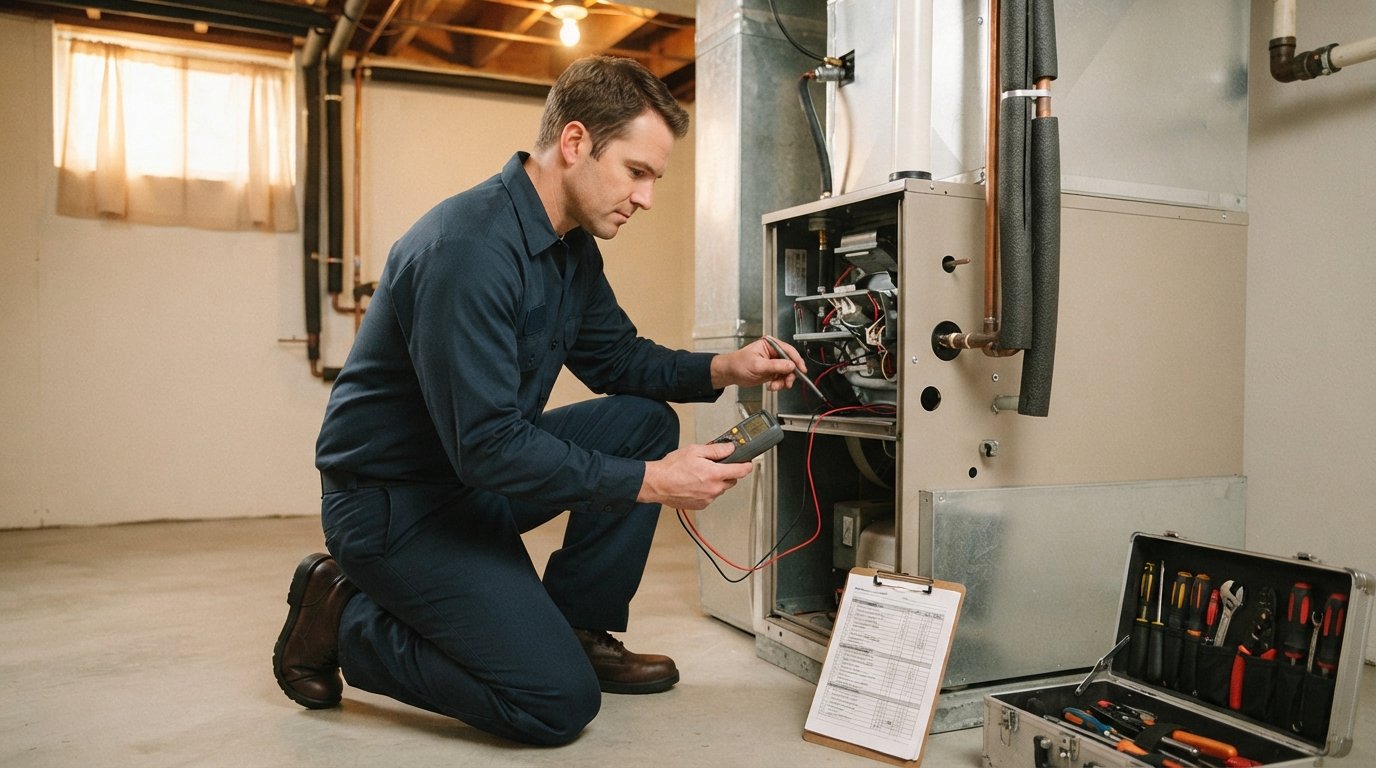
Before you tackle the smaller maintenance tasks, it is wise to assess the big picture. Your heating system is the heart of your home during winter, and a failure in the middle of a cold snap is both uncomfortable and expensive. Scheduling a professional HVAC inspection is the single most effective way to prevent mid-winter breakdowns. A technician will clean the unit, check for carbon monoxide leaks, and ensure the system runs at peak efficiency. This not only prevents surprise repair bills but also keeps your energy consumption manageable.
While the HVAC professional is there, ask them to inspect your ductwork for leaks. Sealed ducts ensure that the warm air you are paying for actually reaches your living spaces rather than escaping into the attic or crawlspace. If your system is older, this is also the time to discuss potential upgrades. For homeowners planning broader energy efficiency projects, this inspection can serve as a foundation for future improvements. If you discover that your furnace is on its last legs, you may need to budget for a replacement. Finding a reliable contractor for this kind of installation is crucial, and you can compare local contractor options to get the job done right without overpaying.
Beyond the furnace, inspect the exterior of your home. Look for loose siding, damaged shingles, or gaps around windows and doors. These seemingly minor issues can let in moisture and cold air, leading to rot and high utility bills. Addressing these now is far cheaper than repairing water damage later. A methodical inspection sets the stage for the rest of your winterization checklist, ensuring you know exactly where to focus your time and budget.
Prevent Frozen Pipes and Plumbing Disasters
Water damage from burst pipes is one of the most common and devastating consequences of winter weather. When water freezes, it expands, creating immense pressure that can rupture metal or plastic piping. The resulting flood can destroy floors, drywall, and personal belongings. Protecting your plumbing is a critical component of your cold weather checklist. Start by identifying pipes that are vulnerable to freezing, typically those in unheated areas like basements, crawlspaces, attics, and garages.
Insulating these pipes is a straightforward and inexpensive DIY task. Pipe insulation sleeves or heat tape can provide a crucial layer of defense. For pipes that are particularly exposed, consider using a thermostatically controlled heat cable. However, safety is paramount; ensure any electrical heat sources are installed according to manufacturer guidelines and local codes. If you are unsure about the safety of your setup, it is best to consult a licensed plumber.
Another key step is to eliminate drafts that could freeze pipes. Seal any cracks or holes in the exterior walls near plumbing lines using caulk or expanding foam. On extremely cold nights, allow faucets to drip slightly. Running water, even a trickle, is much less likely to freeze than standing water. Here are the essential steps for plumbing protection:
- Insulate: Wrap exposed pipes in unheated areas with foam insulation.
- Seal: Close off crawlspace vents and seal gaps around pipes entering the home.
- Disconnect: Remove garden hoses and shut off exterior spigots.
- Circulate: Keep cabinet doors open under sinks on exterior walls to let warm air circulate.
If you are planning a major plumbing upgrade, such as replacing old pipes or installing a tankless water heater, winter is an ideal time to assess your needs. Modern plumbing can be more resilient and energy-efficient, but it requires professional installation. Planning this project before the ground freezes ensures you have time to get multiple estimates and choose the right professional for the job.
Seal the Envelope: Air Sealing and Insulation
Your home's thermal envelope is the barrier between your cozy interior and the freezing outdoors. Gaps in this envelope are like leaving a window open all winter. Air sealing and adding insulation are the most cost-effective ways to improve comfort and reduce heating costs. Start by checking for drafts around windows and doors. If you can feel cold air coming in, you are losing money. Weatherstripping and door sweeps are cheap, effective fixes that any homeowner can install.
Do not forget the attic. Heat rises, and if your attic is not properly insulated, you are heating the neighborhood. The recommended insulation level (R-value) depends on your climate zone, but adding a few inches of blown-in insulation can make a dramatic difference. While you are in the attic, look for gaps around light fixtures, exhaust fans, and plumbing vents. Sealing these with caulk or foam stops warm air from escaping and prevents ice dams from forming on your roof.
Windows are a major source of heat loss. If replacing them is not in the budget this year, use clear plastic window insulation kits. These kits create a dead air space that acts as an extra pane of glass. For a more permanent solution, consider investing in energy-efficient window replacements. This is a significant home improvement project that adds value to your home and improves year-round comfort. When planning such upgrades, it is important to work with experienced contractors who can ensure proper installation and maximize your return on investment.
Exterior Maintenance: Roof, Gutters, and Landscape
The exterior of your home takes the brunt of winter's fury. Neglecting it can lead to serious structural damage. Start from the top: your roof. Inspect for missing, cracked, or curling shingles. Snow and ice can force their way into these vulnerabilities, leading to leaks and rot. If you spot damage, repair it immediately. If your roof is old and nearing the end of its lifespan, winter is not the time for a replacement, but you can plan for one in the spring.
Gutters are next on the list. Clogged gutters are a primary cause of ice dams. When water cannot drain away, it backs up, freezes, and expands under the shingles. This forces water into your home, causing damage to ceilings and walls. Clean your gutters thoroughly in the late fall after the leaves have fallen. Ensure downspouts are directing water at least three to four feet away from the foundation. If you have a lot of trees, consider installing gutter guards to reduce future maintenance.
Landscaping also plays a role in winterization. Trim tree branches that hang near your roof or power lines. Heavy snow and ice can snap these branches, causing significant damage. Disconnect garden hoses and drain outdoor faucets to prevent the pipes from freezing and bursting inside the wall. For pools and irrigation systems, follow specific winterization procedures to avoid costly damage to pumps and lines. These outdoor tasks are essential for a comprehensive cold weather checklist.
Safety Systems: Smoke and Carbon Monoxide Detectors
With windows and doors sealed tight to keep the cold out, indoor air quality becomes a concern. Carbon monoxide (CO) is a silent, deadly gas produced by fuel-burning appliances like furnaces, water heaters, and fireplaces. A blocked chimney or a malfunctioning furnace can cause CO to build up to dangerous levels. This is why testing your CO detectors is a non-negotiable part of winterizing your home.
Replace the batteries in both your smoke and CO detectors. Test them to ensure they are functioning correctly. If your detectors are more than ten years old, replace the units entirely. Technology has advanced, and newer models are more reliable. Also, ensure you have a fire extinguisher accessible in the kitchen and near any heating sources. If you use a wood-burning fireplace, have the chimney inspected and cleaned annually. Creosote buildup is a leading cause of chimney fires.
For homeowners with generators, test them under load before the first storm hits. Never run a generator inside the house, garage, or near windows. Follow all manufacturer instructions for safe operation. A little preparation ensures your family stays safe and warm, even during a power outage.
Budgeting for Winter Repairs and Upgrades
Winter can be unpredictable, and having a financial cushion for emergency repairs is wise. However, if you are planning proactive upgrades, such as a new furnace, upgraded insulation, or window replacements, it is important to budget effectively. These projects improve efficiency and comfort, but they require a significant investment. Getting free estimates from multiple contractors is the best way to understand the going rate for these services in your area.
When evaluating contractors, look for licensed, insured, and bonded professionals with a track record of quality work. Do not automatically choose the lowest bid; instead, compare the scope of work and the materials proposed. A reputable contractor will provide a detailed written estimate and explain the timeline clearly. This transparency helps you make an informed decision and avoid scams.
Winterizing your home is an investment in your property's longevity. By following this essential cold weather checklist, you protect your home from the elements, reduce your energy bills, and ensure a safe, comfortable environment for your family. From simple tasks like disconnecting hoses to professional HVAC tune-ups, every step counts toward a worry-free winter.