
Aging in Place Home Modification Costs for 2026
Aging in place home modification costs can range from $150 for grab bars to $18,000 for a walk-in shower. This guide helps you budget safely.

By Sarah Thomas
Learn more about Home Modification for Accessibility for guides, costs, and what to expect.
Compare Home Modification for Accessibility Pros Near You

Enter your ZIP code to compare top-rated local professionals and request free quotes.
When the stairs start to feel steeper and the bathroom floor seems slicker than it used to, many homeowners begin to wonder what it would take to stay in their beloved home for the long haul. The desire to age in place is strong, but the financial reality of retrofitting a house for safety and accessibility often feels like a mystery. The good news is that aging in place home modification costs are more predictable than most people think, and with the right plan, you can make your home safer without wiping out your savings. This guide breaks down the real numbers, the most valuable upgrades, and the smartest ways to pay for them, so you can make an informed decision about your future.
Before you call a contractor, it helps to understand that not all modifications are created equal. Some are simple fixes like installing grab bars, while others, like a full bathroom remodel with a walk-in shower, require a more serious investment. The scope of your project, the materials you choose, and the labor rates in your area will all play a major role in the final price tag. By breaking down the costs into manageable categories, you can prioritize the changes that offer the most safety and comfort for your budget.
The True Cost Breakdown of Common Safety Upgrades
To get a clear picture of what you will spend, it is wise to look at the most common projects homeowners tackle when planning to age in place. These modifications range from minor tweaks to major renovations, and each comes with its own price range. According to recent industry data, the average homeowner spends between $10,000 and $40,000 on a comprehensive set of aging in place modifications. However, you can significantly reduce that number by focusing only on the areas that address your immediate needs.
Here is a realistic look at the costs for the most popular safety upgrades. These figures reflect national averages and include both materials and professional labor. Remember, these are estimates, and your final quote may vary based on your location and the specific features you choose.
- Grab bars and handrails: $150 to $500 per bar. This includes the bar, heavy-duty mounting hardware, and labor. It is one of the most affordable and effective ways to prevent falls.
- Walk-in bathtubs: $4,000 to $12,000. These units are designed to prevent the need to step over a high tub wall. Prices vary based on features like hydrotherapy jets and heated surfaces.
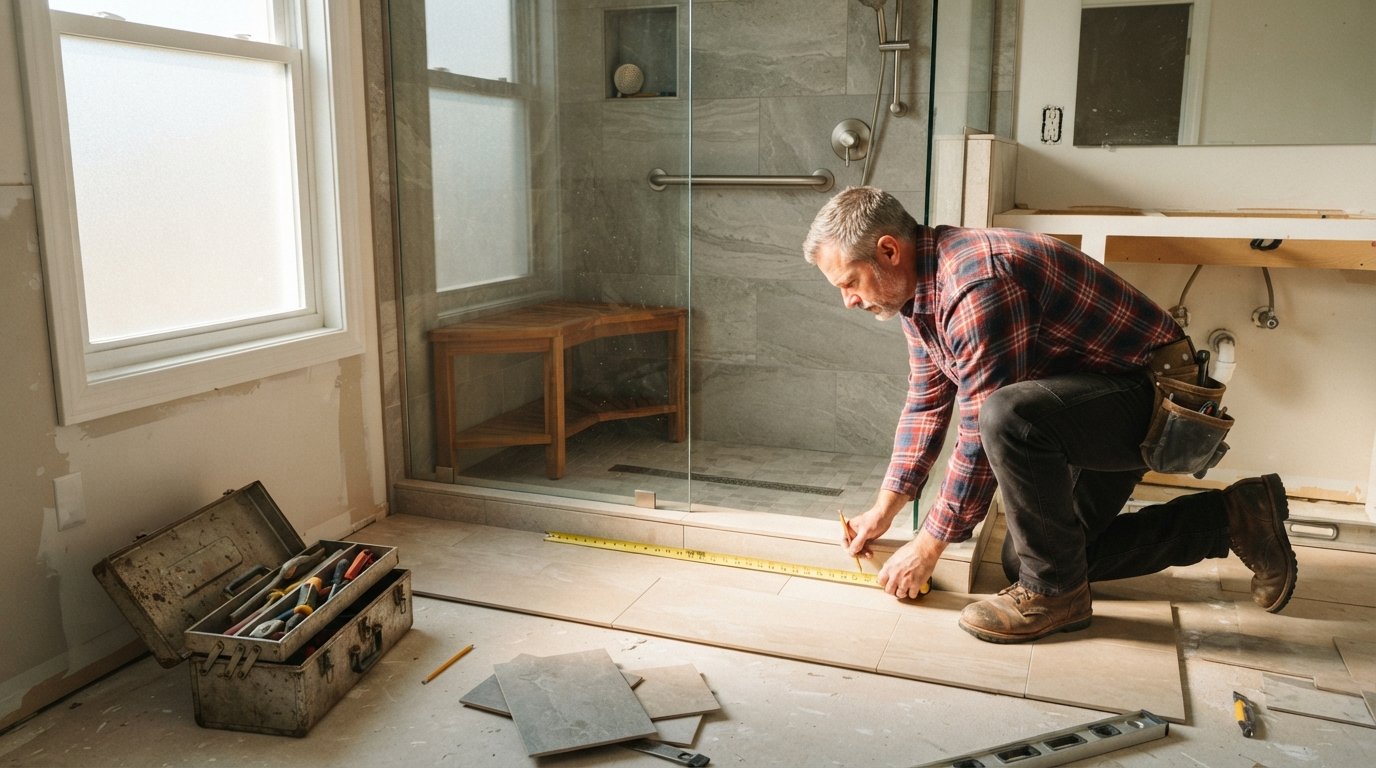
- Walk-in showers (bathroom remodel): $6,000 to $18,000. This usually involves removing a tub, installing a curbless shower pan, adding a bench, and updating the waterproofing and tile.
- Stair lifts: $3,000 to $8,000. A straight stairlift is on the lower end, while curved tracks for spiral or multi-level staircases cost significantly more.
- Widening doorways: $500 to $2,500 per doorway. This is essential for wheelchair access and often requires framing adjustments.
These prices are your starting point. If you are planning a larger project, such as a full main-floor bedroom conversion or a complete bathroom overhaul, you should expect to pay on the higher end of these ranges or even more for custom work. The key takeaway is that there is an option for nearly every budget, and even small changes can have a massive impact on your daily safety.
Breaking Down the Big Ticket Items
While grab bars are a no-brainer, the larger projects are where your budget will feel the most strain. The bathroom is often the most hazardous room in the house, and it is also the most expensive to modify. A full curbless shower installation, for example, requires a professional to slope the floor for drainage, which is a complex plumbing and tiling job. This complexity is why aging in place home modification costs in the bathroom can quickly exceed $15,000. However, this investment often increases the home's resale value and makes daily life immeasurably easier.
Another significant expense is a stair lift or, for those planning to stay in a two-story home, a residential elevator. A stairlift is a practical solution for many, but it does require a stable staircase and a power source nearby. For those with more severe mobility issues, a through-floor lift or a small home elevator can cost anywhere from $20,000 to $50,000. These are major installations that require structural assessments and often need a building permit. Before committing to such a large expense, it is wise to consult with an occupational therapist who can recommend the most appropriate solution for your specific mobility level.
Funding Your Home Safety Project
Once you have a grasp on the estimated costs, the next logical question is how to pay for it. Many homeowners assume they must dip into their retirement savings, but there are several other avenues to explore. One of the most common is using a home equity loan or a home equity line of credit (HELOC). These options allow you to borrow against the value you have built up in your home, often at lower interest rates than personal loans or credit cards.
There are also specific programs designed to help seniors and disabled individuals. The USDA Section 504 Home Repair program offers loans to very-low-income homeowners to repair or improve their homes, including accessibility features. Additionally, many states and local non-profits offer grants for specific modifications like bathroom safety or ramp installation. It is worth spending an afternoon researching what is available in your county. You can also check with your insurance provider or your Area Agency on Aging to see if they have any resources or recommendations for local funding programs. For those who are veterans, the VA offers a specially adapted housing grant that can cover the cost of modifications if you meet the eligibility criteria.
Planning for the Unexpected
One of the biggest mistakes homeowners make when budgeting for these projects is failing to add a contingency fund. No matter how detailed your plan is, there is always a chance you will discover hidden issues once the contractor opens up a wall. In an older home, this might mean finding outdated wiring, corroded plumbing, or water damage behind the tiles. These unexpected repairs can add several thousand dollars to your final bill.
A good rule of thumb is to set aside an additional 10% to 20% of your total project budget for these surprises. While it feels like a hit to your wallet now, it is much better than being caught off guard mid-renovation. This is also why it is critical to get a detailed, written quote from your contractor before work begins. Ensure the quote includes the scope of work, the specific materials, and the timeline. A reputable contractor will be transparent about what is included and what might cause a change order.
DIY vs. Hiring a Professional
It can be tempting to take on some of these projects yourself to save money. For simple tasks like installing grab bars, a confident DIYer can often handle the job. However, it is crucial to hire a professional when the work involves structural changes, electrical wiring, or plumbing. A poorly installed grab bar that pulls out of the wall when you need it most is a serious hazard. Similarly, a curbless shower that is not sloped correctly will lead to water pooling and potential mold issues.
When you hire a licensed contractor, you are paying for their expertise, insurance, and the assurance that the work is up to code. For a project of this importance, the peace of mind is worth the cost. When you are ready to start, it is wise to get multiple estimates. This allows you to compare pricing and see how different professionals approach the job. You can use a service like BuySellRemodel to connect with vetted local pros who can provide free estimates and help you find the right fit for your project. This approach takes the guesswork out of finding reliable help, which is often the hardest part of any home improvement endeavor.
Maximizing Your Budget Without Sacrificing Safety
If your budget is tight, you do not have to do everything at once. A phased approach can make aging in place home modification costs more manageable. Start with the projects that address your most immediate safety risks. For many, this means the bathroom and the entryways to the home. Once those are completed, you can move on to secondary improvements like lever-style door handles, better lighting, and non-slip flooring. Spreading the work out over a few years can help you avoid taking on a large amount of debt all at once.
Another way to save is to choose materials that offer both safety and durability without the premium price tag. For example, luxury vinyl plank flooring is a fantastic option for aging in place. It is slip-resistant, waterproof, and softer underfoot than tile or hardwood, all at a fraction of the cost of high-end alternatives. Similarly, you can opt for a basic, clean design in your walk-in shower rather than adding expensive tile patterns or high-end fixtures. Keeping the design simple reduces both material costs and labor time, allowing you to allocate funds to other critical safety features.
Finally, do not forget to check if you qualify for any tax credits or deductions. While medical necessity modifications are not usually tax-deductible, they can be considered a medical expense if they are deemed medically necessary by a doctor. This means you might be able to deduct a portion of the costs on your federal income tax return if your total medical expenses exceed a certain percentage of your adjusted gross income. It is a complex area, so consulting with a tax professional is a smart move to ensure you are taking full advantage of any potential savings.
Staying in the home you love is an achievable goal when you approach it with a solid financial plan. By understanding the costs, exploring your funding options, and working with the right professionals, you can create a safe and comfortable environment for years to come. The journey to a safer home starts with a single step, and getting a clear picture of your project costs is the best way to take that step with confidence. For a deeper dive into how the broader market impacts your renovation budget, you might find our analysis of window replacement pricing for 2026 helpful, as it offers a similar cost breakdown for another common upgrade. BuySellRemodel