
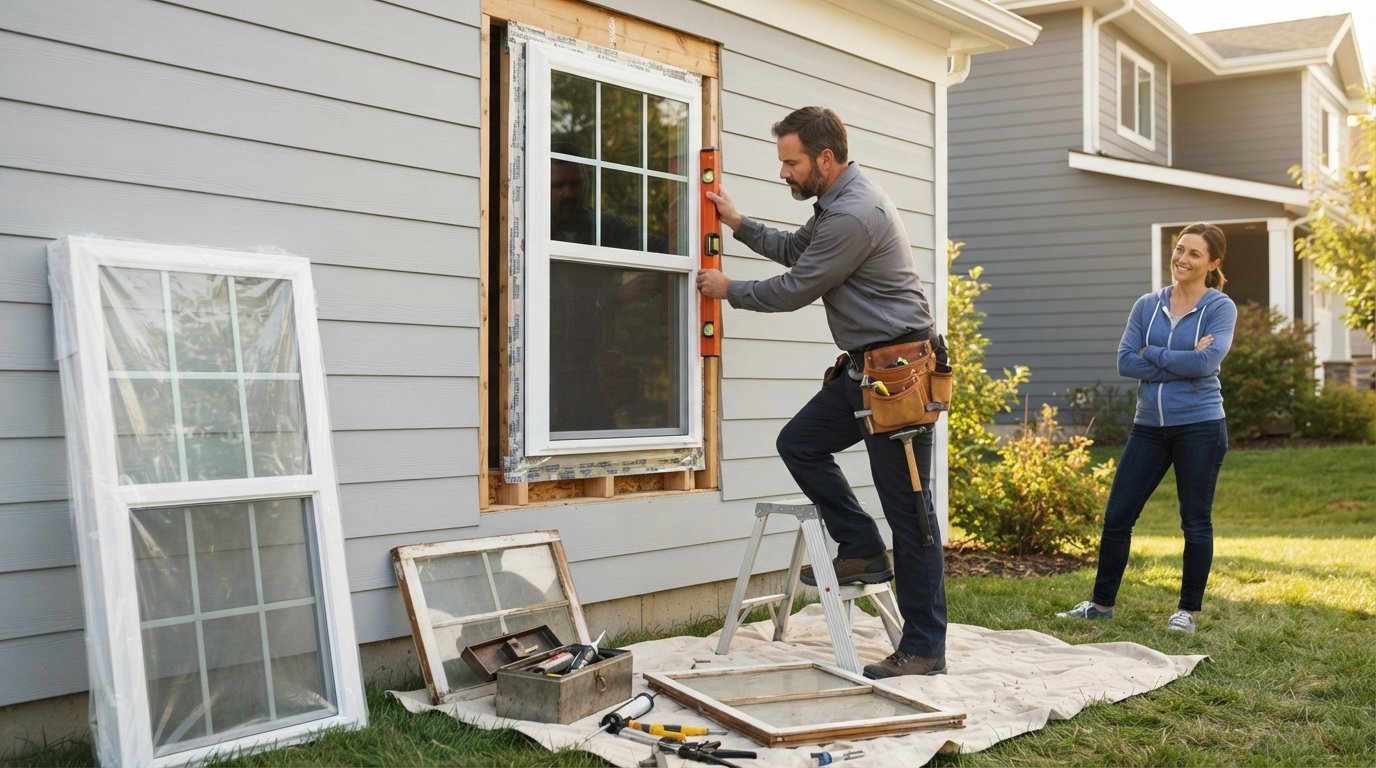
Window Replacement Cost: 2026 Pricing Guide
Window replacement cost varies by material, style, and labor. Learn what drives pricing and how to get the best value.

By Cameron Howard
Learn more about Window Installation for guides, costs, and what to expect.
Compare Window Installation Pros Near You

Enter your ZIP code to compare top-rated local professionals and request free quotes.
Replacing your windows is one of the smartest investments you can make in your home, but the price tag can feel like a mystery. You have probably seen estimates ranging from a few hundred dollars to over a thousand per window, and you might be wondering what drives that huge gap. The short answer is that window replacement cost depends on a mix of frame material, glass type, labor rates, and the number of windows you need. The longer answer, which we break down below, will help you plan a realistic budget, avoid surprise bills, and get the most value from your project.
What Is the Average Window Replacement Cost in 2026?
For a typical single-family home, the average window replacement cost lands between $300 and $1,200 per window, including labor and materials. That range is broad because you can choose budget-friendly vinyl frames or premium fiberglass with triple-pane glass. If you are replacing all the windows in a 1,500-square-foot home, expect a total project cost between $4,500 and $15,000, depending on the options you select.
Regional labor rates also play a major role. A contractor in a high-cost city like San Francisco or New York will charge more per hour than one in a rural Midwest town. Your home's construction type matters too. If you have masonry walls or unusually shaped openings, the installation becomes more complex, which increases the price. Always get at least three quotes from local pros so you can see how pricing varies in your specific market.
Key Factors That Drive Your Final Price
Understanding what goes into the quote will help you make smarter trade-offs. The biggest cost drivers are the frame material, the glass package, and the complexity of the installation. Here is a quick breakdown of the main elements that influence the total:
- Frame material: Vinyl is the most affordable, aluminum is mid-range, and wood or fiberglass cost the most.
- Glass type: Double-pane is standard, while triple-pane, low-E coatings, and gas fills add to the price.
- Window style: Single-hung windows are cheaper than casement, awning, or custom shapes.
- Labor and disposal: Removing old windows, hauling away debris, and finishing the trim all add to the bill.
- Permits and inspections: Some cities require permits for window replacement, which adds a small fee.
Let's look at each of these in more detail. Vinyl windows are popular because they are durable, low-maintenance, and easy on the budget. Wood windows offer a classic look but require more upkeep and come with a higher price. Fiberglass is strong and energy-efficient but sits at the top of the price range. Your choice here sets the baseline for the entire project.
The glass package is where you can really improve energy efficiency. Low-E coatings reflect heat while letting in light, and argon or krypton gas fills between panes reduce heat transfer. These upgrades cost more upfront but can lower your monthly energy bills, making them a smart long-term investment for many homeowners.
Window Frame Materials Compared
Each frame material offers a different balance of cost, durability, and aesthetics. Vinyl is the best value for most budgets, typically costing $300 to $700 per window installed. It resists moisture and never needs painting, but it can expand and contract in extreme temperatures. Wood frames look beautiful and provide natural insulation, but they cost $500 to $1,200 per window and require periodic painting or staining. Fiberglass frames are the most durable and energy-efficient option, but they come in at $800 to $1,500 per window. Aluminum frames are affordable and lightweight, but they conduct heat and cold, which makes them less energy-efficient for most climates.
Labor Costs and Installation Fees
Labor usually accounts for 20 to 40 percent of the total window replacement cost. On average, professional installation runs $100 to $300 per window, depending on the complexity and your location. This includes removing the old window, preparing the opening, installing the new unit, sealing it, and finishing the interior and exterior trim.
Some contractors charge a flat rate per window, while others bill by the hour. A typical installation takes one to two hours per window for a straightforward replacement. If your project involves brick or stucco exteriors, the job takes longer because the contractor needs to cut through masonry and then patch it. Similarly, if your old windows are painted shut or have rotting frames, the removal process becomes more time-consuming, which raises the labor cost.
Always confirm what is included in the quote. Does it cover hauling away the old windows? Does it include new interior trim? Does it account for any necessary repairs to the surrounding wall or sill? Asking these questions upfront prevents surprise charges later.
Window Style and Size Matter
The style you choose has a big impact on price. A standard double-hung window is the most common and affordable, especially for existing homes. Casement windows, which crank open outward, cost more because of the hardware and the more complex installation. Awning windows, which hinge at the top, fall in a similar range. Picture windows are large and fixed, so they cost more per unit but have lower labor costs since they do not open.
Custom shapes like arches, circles, or unusually large sizes require special manufacturing, which can double the price. If you are replacing windows in a historic home or a newer house with non-standard openings, you may need custom-sized units. This is where working with a local contractor who can measure precisely becomes essential. A small measurement error can lead to a poorly fitting window, which causes air leaks and water damage over time.
Energy-Efficient Upgrades and Their Payoff
Many homeowners choose to upgrade to energy-efficient windows during replacement. These windows use multiple panes, low-E coatings, and gas fills to reduce heat loss in winter and heat gain in summer. The initial cost increase is often 10 to 25 percent over standard double-pane windows, but the energy savings can offset that over time.
For example, upgrading from single-pane to double-pane with low-E glass can save you $100 to $300 per year on heating and cooling bills, depending on your climate and home size. Some utility companies also offer rebates for energy-efficient window replacements, which can lower your out-of-pocket cost. Check with your local utility provider and the ENERGY STAR program to see what incentives are available in your area.
When you request quotes, ask contractors about the U-factor and Solar Heat Gain Coefficient (SHGC) of the windows they recommend. These ratings tell you how well the window insulates and blocks heat from the sun. A lower U-factor is better for cold climates, while a lower SHGC is better for hot climates. A knowledgeable contractor will help you choose the right balance for your region.
DIY vs. Professional Installation
Some handy homeowners consider installing windows themselves to save on labor costs. While this can reduce your total window replacement cost, it comes with significant risks. Improper installation can lead to air and water leaks, which cause rot, mold, and higher energy bills. It can also void the manufacturer's warranty, leaving you responsible for future repairs.
Most experts recommend hiring a professional for window replacement. A skilled installer will ensure the window is square, level, and properly flashed, which protects your home from moisture damage. They also handle the disposal of old windows and the cleanup of the work area. If you decide to go the DIY route, be honest about your skills and budget for time. A window replacement project can take a full weekend per window for a novice, and mistakes can be costly to fix.
Professional installation also gives you peace of mind. Many contractors offer a workmanship warranty, so if something goes wrong after the job is done, they will come back and fix it. That protection is worth the extra cost, especially for a project that affects your home's comfort and energy efficiency.
How to Save Money on Window Replacement
Window replacement is a significant expense, but there are several ways to reduce the cost without sacrificing quality. First, consider replacing only the windows that are truly failing, rather than all at once. If some windows are still in good shape, you can space out the project over a few years. Second, choose a standard size and style that is readily available, as custom orders cost more. Third, schedule the work during the off-season. Contractors are often less busy in late fall or winter, and some may offer discounts to fill their schedules.
Another strategy is to compare multiple quotes from different contractors. This not only helps you find a competitive price but also gives you insight into what each professional includes in their bid. Look for detailed estimates that break down the cost of materials, labor, and any additional fees. Be wary of quotes that are significantly lower than others, as they may indicate lower-quality materials or a less experienced installer.
Finally, check for rebates and incentives. Many states and utility companies offer financial incentives for energy-efficient home improvements. A quick online search or a call to your local energy provider can reveal programs that might cover part of your expense. In some cases, you can also qualify for federal tax credits, so it is worth doing a little research before you commit.
Getting Accurate Quotes and Choosing the Right Pro
The best way to get a precise window replacement cost for your home is to request free estimates from local contractors. A professional will measure your windows, assess the condition of the existing frames, and discuss your options for materials and glass. This personalized approach ensures you get a quote that reflects your specific needs, rather than a rough average.
When you receive estimates, compare them carefully. Look beyond the bottom line and evaluate the contractor's experience, credentials, and warranty. Ask for references and check online reviews. A slightly higher quote from a highly rated contractor may be a better investment than a lower bid from someone with less experience. You also want to confirm that the contractor is licensed and insured, which protects you if an accident occurs on your property.
At HomeReModelingsContractors.com, we make it easy to connect with trusted local professionals who specialize in window replacement. Our free estimate service lets you compare quotes from multiple contractors, so you can find the right balance of quality and price. Whether you are replacing one window or your entire home, getting multiple bids is the smartest way to ensure you are paying a fair price.
Before you schedule any work, have a clear contract that outlines the scope of the project, the materials to be used, the timeline, and the payment schedule. This protects both you and the contractor and helps prevent misunderstandings down the road. With the right professional and a solid plan, your window replacement project can be a smooth, worthwhile investment that boosts your home's comfort, value, and efficiency.