
How to Protect Your Home and Belongings During a Remodel
Protect your home and belongings during a remodel with smart packing, dust barriers, and security tips. Call (833)-439-3727 for expert guidance.

By Ethan Owens
Learn more about Home Remodeling for guides, costs, and what to expect.
Compare Home Remodeling Pros Near You

Enter your ZIP code to compare top-rated local professionals and request free quotes.
Your remodel is finally underway. The dumpster sits in the driveway, the crew has arrived, and the demolition is about to begin. Then you notice the fine layer of drywall dust settling on your grandmother's china cabinet and the scuff marks on the hardwood floor from the contractor's boots. Protecting your home and belongings during a remodel is not just about avoiding a messy inconvenience; it is about preventing costly damage, maintaining your sanity while living in a construction zone, and preserving the things you love most. Whether you are planning a small bathroom refresh or a full kitchen gut, a few strategic steps before the first hammer swings can save you thousands in repairs and replacements.
Start With a Room-by-Room Packing and Storage Plan
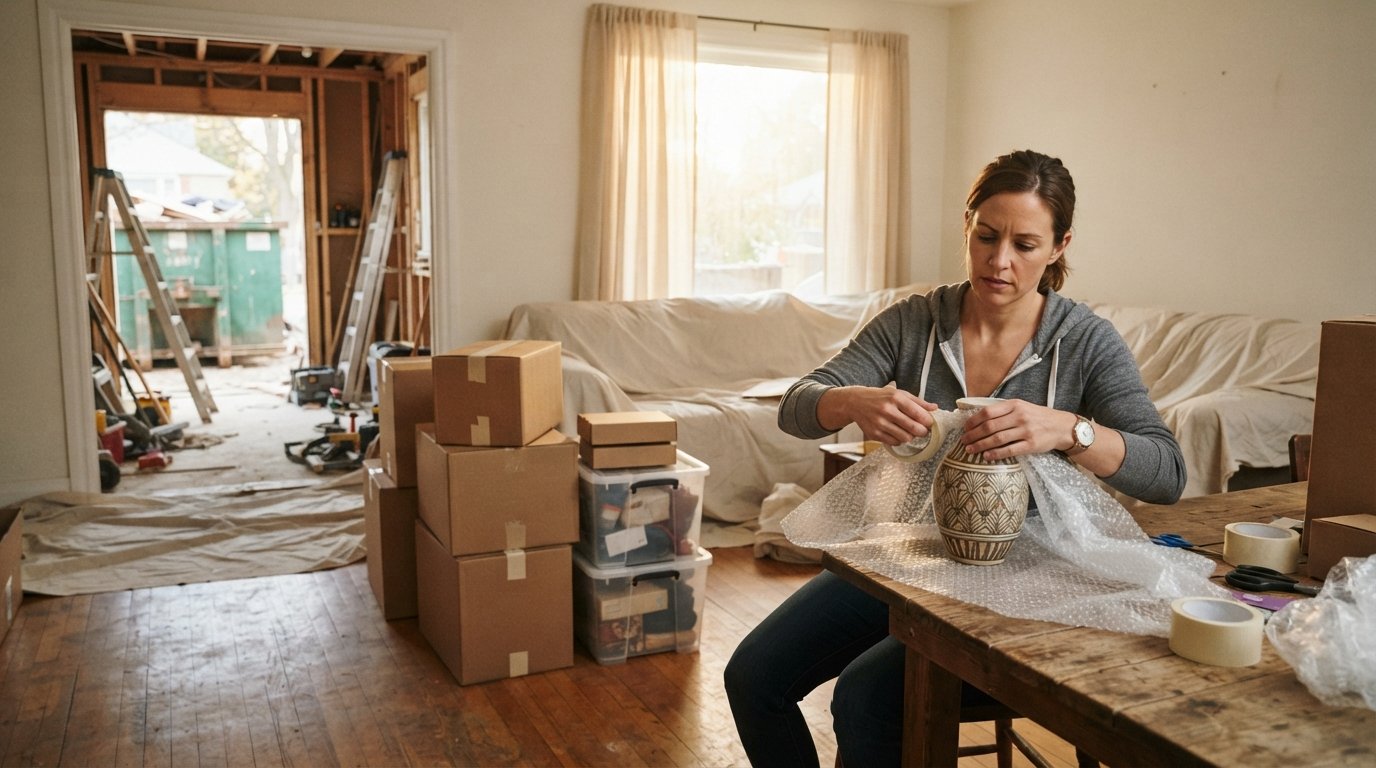
If you are staying in your home during the remodel, you need a clear strategy for what stays, what goes, and where it all lives temporarily. The goal is to clear the work zone completely while keeping the rest of your house functional. Start by identifying the rooms that will be affected and remove everything that is not bolted down. This includes furniture, rugs, wall art, decor, small appliances, and even the contents of cabinets and closets that will be moved or replaced.
For items you use daily, pack them in labeled bins and store them in a designated "safe room" far from the construction area. For everything else, consider off-site storage. A portable storage pod or a rented storage unit can be a worthwhile investment, especially for longer projects. Label each box with its contents and the room it belongs to, so unpacking later is straightforward. Use sturdy boxes and packing paper rather than newspaper, which can leave ink stains on dishes and fabrics.
Here is a simple room-by-room framework to keep your packing organized:
- Kitchen: Pack dishes, glassware, and small appliances in dish-pack boxes. Keep only the essentials (a few plates, cups, and one pot) in a temporary kitchen setup in another room.
- Bathroom: Consolidate toiletries into a caddy and store towels and decorative items in a nearby closet. If the bathroom will be out of service, plan for alternative facilities.
- Living areas: Roll up rugs, cover large furniture with plastic sheeting, and remove all electronics and fragile decor. Move furniture to the center of the room if it must stay, and cover it with heavy drop cloths.
- Bedrooms: If bedrooms are adjacent to the work zone, seal off closets with plastic and consider moving clothing to another room to avoid dust infiltration.
Remember that even rooms not under construction can collect dust. Closing doors and sealing vents in unused rooms helps, but a thorough packing plan is your first line of defense. For more detailed guidance on managing the financial and contractual side of your project, including how to handle payments and liens, see our article on lien waiver basics for homeowners.
Control Dust With Barriers, Zip Walls, and Negative Air Machines
Dust is the uninvited guest of every remodel. It travels through air currents, settles on every surface, and can clog HVAC systems and aggravate allergies. The good news is that you can contain it with a few proven techniques. The first step is to establish a physical barrier between the work zone and the rest of your home. Plastic sheeting taped over doorways is the minimum, but for better protection, invest in zip walls, which are reusable frames with zippered plastic panels that create a sealed doorway. These allow contractors to pass through without leaving an open gap.
Negative air machines are another powerful tool. These devices create a slight negative pressure in the work area, so air flows into the zone rather than out into your living spaces. When paired with a HEPA filter, they capture fine particles and keep the rest of your home breathing easier. Ask your contractor if they use negative air machines, especially for projects involving sanding, demolition, or anything that generates fine dust. If they do not, you can rent one for the duration of the project.
Beyond barriers, simple habits make a difference. Seal off HVAC vents and returns in the work zone with plastic and tape to prevent dust from circulating through your ductwork. Place walk-off mats at the entry and exit points of the construction area, and ask the crew to remove dusty shoes or use shoe covers. Keep a vacuum with a HEPA filter handy for quick cleanups. These measures add up to a cleaner, healthier home during the remodel.
Protect Landscaping, Driveways, and Shared Walls
The outside of your home deserves protection too. Heavy equipment, material deliveries, and debris removal can take a toll on your lawn, driveway, and exterior surfaces. Before work begins, walk the perimeter with your contractor and identify areas that need shielding. Plywood boards laid over grass or delicate landscaping can prevent tire ruts and crushed plants. If heavy trucks will be accessing your driveway, consider having them park on the street and use a temporary gravel pad for staging materials.
Shared walls with neighbors, such as in townhomes or duplexes, require special attention. Demolition and hammering can cause vibrations that crack plaster or loosen fixtures on the other side of the wall. Communicate with your neighbors early about the project timeline and any potential disruptions. If you live in a historic home or a building with ornate exterior details, consider hiring a professional to remove and store fragile elements like stained glass or decorative trim before work starts. Your contractor should also take steps to protect adjacent walls and floors inside your home, using heavy-duty floor runners and corner guards.
Landscaping protection extends to plants and trees. Prune branches that might interfere with scaffolding or deliveries, and water plants well before construction begins to help them withstand stress. If your project involves excavation near tree roots, consult an arborist to ensure the trees remain healthy. These precautions might seem minor, but they prevent expensive repairs and preserve your property's curb appeal.
Secure Valuables, Pets, and Daily Routine Logistics
During demolition and construction, your home will have more foot traffic than usual. It is wise to secure valuables such as jewelry, important documents, and small electronics in a safe or a locked room that only you can access. If you have a home security system, inform your contractor of the code and set expectations for arming and disarming. Consider adding temporary cameras in key areas for peace of mind.
Pets are particularly vulnerable to stress during a remodel. The noise, strangers, and disrupted routine can cause anxiety or even escape attempts. Create a safe, quiet space for your pets, ideally in a room far from the construction zone. If your pets are sensitive, consider boarding them during the loudest phases, such as demolition days. Keep their feeding and walking schedule as consistent as possible to reduce stress.
Your daily routine will also need adjustments. Plan for alternative cooking arrangements if the kitchen is out of commission, and set up a temporary kitchen with a microwave, mini-fridge, and coffee maker in another room. If bathrooms are being renovated, arrange access to a working bathroom or consider a temporary rental. Communicate with your family about the new traffic patterns and safety rules, such as staying out of the work zone and wearing shoes in areas with debris. A little planning goes a long way toward keeping life running smoothly.
Weigh the Cost of Staying Versus Temporary Relocation
For major remodels, especially those that involve extensive demolition or make the home uninhabitable (such as a full kitchen or bathroom gut), staying in place may cost more than moving out temporarily. Beyond the stress and inconvenience, staying can lead to hidden costs like eating out frequently, purchasing temporary appliances, and dealing with dust-related cleaning. Temporary relocation, whether to a rental apartment or a hotel, can sometimes be the more economical and sane choice.
To decide, consider the scope and duration of the project. If the work will last more than a few weeks and disrupt essential functions like cooking or bathing, relocation might be worth it. Calculate the cost of temporary housing and compare it to the added expenses of staying (meals out, laundry services, extra cleaning). Also factor in the intangible value of reduced stress and a faster timeline, as contractors can often work more efficiently in an empty house. If you do stay, set up a clear contract with your contractor that outlines dust control, daily cleanup, and hours of operation to minimize disruption.
When planning your budget, it helps to get accurate estimates from local professionals. At BuySellRemodel, homeowners can connect with experienced contractors and receive free estimates for remodeling projects, making it easier to plan both the construction and any temporary relocation costs.
Final Steps to Safeguard Your Investment
Protecting your home and belongings during a remodel is a combination of preparation, communication, and smart containment. By packing strategically, setting up dust barriers, shielding your exterior, securing valuables, and planning for daily life, you minimize the risk of damage and make the process smoother for everyone. Remember to document the condition of your home before work begins with photos and video, and keep a detailed inventory of items you pack away. This documentation can be invaluable if you need to file an insurance claim or resolve a dispute.
Finally, choose your contractor wisely. A professional crew will respect your home and take measures to protect it. Ask about their dust control protocols, cleanup routines, and insurance coverage. If you are ready to start your project, request a free quote from local contractors to compare options and find the right team for your remodel. With the right precautions, you can look forward to a beautiful new space without sacrificing the home you already love.