
Choosing Low Maintenance Exterior Siding for Durability
Compare vinyl, fiber cement, and more to find durable siding that cuts upkeep and protects your home for decades.

By Cameron Howard
Learn more about Siding Installation for guides, costs, and what to expect.
Compare Siding Installation Pros Near You

Enter your ZIP code to compare top-rated local professionals and request free quotes.
Your home's exterior takes a beating every single year. Sun, rain, snow, hail, and temperature swings all work against the materials that protect your walls. When siding starts to crack, fade, or rot, you are not just looking at an ugly facade. You are looking at potential water damage, higher energy bills, and expensive repairs. That is why choosing low maintenance exterior siding for durability matters so much. The right material can protect your home for decades while asking very little from you in return. The wrong one can become a part-time job of scraping, painting, and patching.
This guide breaks down what makes siding durable, which materials hold up best in real-world conditions, and how to weigh upfront costs against long-term savings. You will also learn how to spot a contractor who can install it correctly, because even the best siding fails when the installation is rushed. If you are planning a siding project and want to compare local options, you can use a service like BuySellRemodel to find experienced contractors and request free estimates before you commit.
What Makes Exterior Siding Low Maintenance and Durable
Low maintenance does not mean zero maintenance. It means the material resists the most common failure points: moisture absorption, UV degradation, impact damage, and insect infestation. Durability is about how long the siding keeps its structure and appearance under those pressures. A material can be tough but still require frequent painting, or it can be low maintenance but prone to cracking in extreme cold. The best choices balance both.
Three factors drive long-term performance. First, the core material determines how it handles water and impact. Second, the surface finish determines how well it holds color and resists fading. Third, the installation quality determines whether water ever gets behind the siding in the first place. You can buy premium siding and still have problems if it is nailed too tight, flashed poorly, or installed over a wet substrate.
Homeowners often focus only on the material label. That is a mistake. A mid-grade siding installed by a careful crew will outperform top-tier siding installed by a rushed one. As you compare options, ask contractors about their installation process, not just the product brand. That conversation will tell you more about durability than any brochure.
Top Low Maintenance Siding Materials Compared
Several materials dominate the low maintenance category today. Each has strengths and trade-offs. The right pick depends on your climate, your budget, and how long you plan to stay in the home. Here is a practical comparison of the most common options.
- Vinyl siding: Affordable, water-resistant, and easy to clean with a garden hose. Quality varies widely, so thickness and UV stabilizers matter. It can crack in extreme cold and may fade over time in intense sun.
- Fiber cement siding: Made from cement, sand, and cellulose fibers. It resists rot, termites, and fire, and holds paint far longer than wood. Heavier and more expensive to install, but extremely durable in most climates.
- Engineered wood siding: Manufactured from wood strands and resin. It looks like real wood, resists moisture better than natural wood, and takes paint well. It still needs periodic repainting, so it is not the lowest maintenance option.
- Metal siding (steel or aluminum): Highly durable, fire-resistant, and often comes with factory finishes that last decades. It can dent, and cheap versions look industrial, but premium panels mimic wood and stone well.
- Insulated composite siding: Combines a rigid foam core with a hard shell. It adds insulation value, resists impact, and locks in color. It costs more upfront but can reduce energy costs and noise.
Vinyl and fiber cement are the two most common choices for budget-conscious homeowners who want durability without constant upkeep. Vinyl wins on price and easy cleaning. Fiber cement wins on longevity and paint retention. Metal and composite sit at the premium end, offering the longest service life but requiring a larger initial investment.
If you are replacing siding as part of a larger exterior project, it helps to understand how repair and replacement costs compare. Our guide on siding repair versus replacement costs explains when patching makes sense and when a full replacement saves money over time.
How Climate and Exposure Affect Siding Choice
Where you live should shape your decision as much as your budget. Siding that performs beautifully in a mild climate may fail quickly in a harsh one. Understanding your local conditions helps you avoid expensive mistakes.
In hot, sunny regions, UV resistance is the top priority. Vinyl can fade or become brittle if it lacks strong UV stabilizers. Fiber cement and metal hold up better under constant sun. In cold climates, impact resistance matters because vinyl becomes more fragile in freezing temperatures. Fiber cement and engineered wood handle freeze-thaw cycles better, provided they are installed with proper clearances and flashing.
Coastal areas add salt spray and wind-driven rain to the equation. Salt corrodes metal fasteners and some metal panels, so stainless or coated fasteners are essential. Fiber cement and vinyl resist salt well. In wildfire-prone areas, fiber cement, metal, and stucco are preferred for their fire resistance. Wood and engineered wood offer less protection.
Humidity is another factor. In consistently damp climates, any material that absorbs water is a risk. Fiber cement and vinyl shed water well. Engineered wood resists moisture better than natural wood but still needs careful sealing at joints and penetrations. No matter the material, proper drainage and ventilation behind the siding are critical to prevent trapped moisture.
Weighing Upfront Cost Against Long-Term Savings
Low maintenance siding usually costs more upfront than basic wood or lower-grade vinyl. The savings show up later in the form of fewer repairs, less painting, and lower energy bills. To compare fairly, look at the total cost of ownership over 20 to 30 years, not just the purchase price.
Consider a simple example. Wood siding may cost less to buy and install, but it needs repainting every 3 to 5 years and is vulnerable to rot. Over 20 years, you might pay for four or five paint jobs plus repairs. Vinyl or fiber cement may cost more initially, but they often need only occasional washing and maybe one repaint in the same period. The gap narrows quickly, and the low maintenance option usually wins on both time and money.
Energy efficiency adds another layer. Insulated siding can reduce heating and cooling costs by adding a thermal break over the wall framing. That monthly savings compounds over the years. If you are already planning an energy upgrade, combining siding with insulation can be more cost-effective than doing them separately. Always ask contractors for a breakdown of material, labor, and any energy-related incentives in your area.
Financing and timing also matter. Some homeowners choose to phase the project, replacing the most exposed sides first. Others wait for off-season discounts. The key is to get multiple quotes and compare them line by line. A low bid that skips proper flashing or underlayment is not a bargain. It is a future repair bill.
Installation Quality: The Hidden Durability Factor
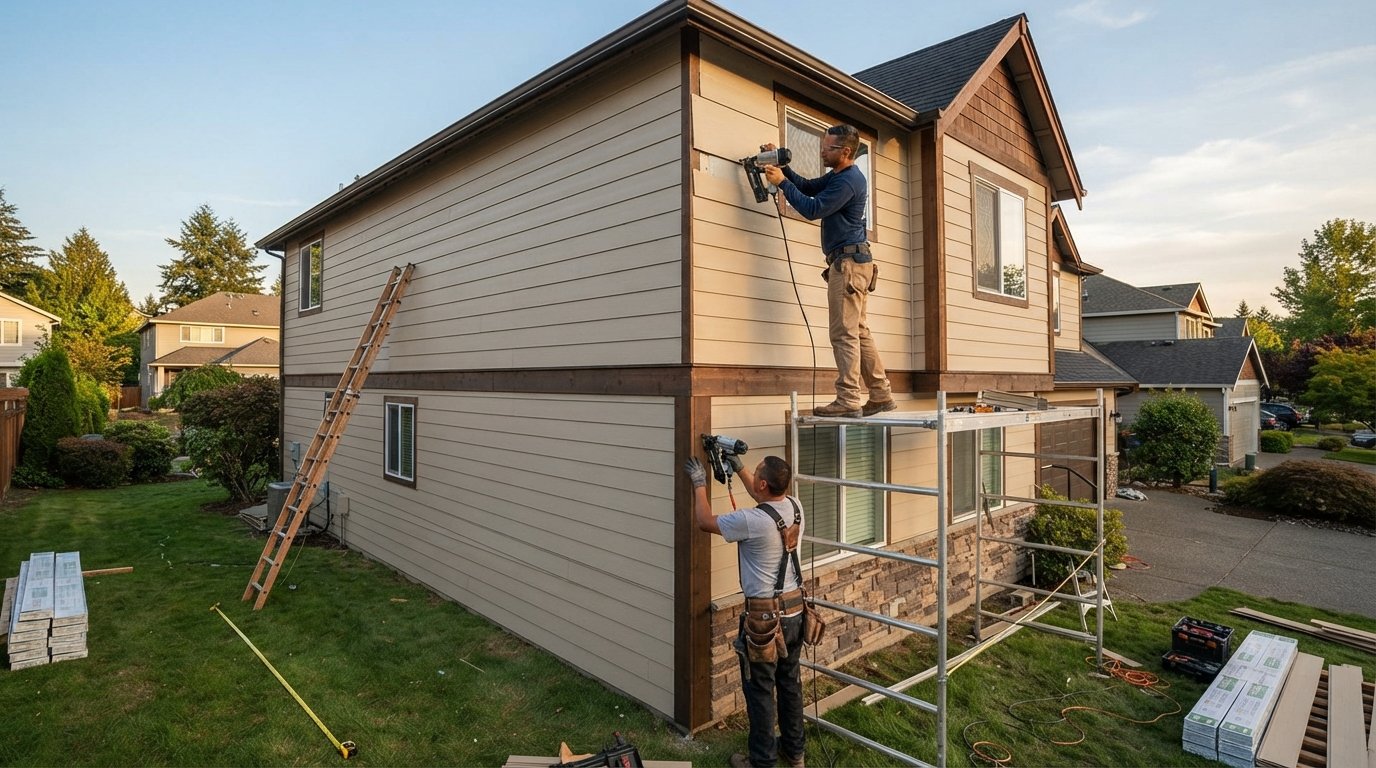
Even the best siding will fail if it is installed incorrectly. Water is the enemy, and water gets in through gaps, poor flashing, and improper clearances. A durable installation follows the manufacturer's specs precisely and addresses every penetration, corner, and transition.
Here are the installation details that separate a lasting job from a problem job.
- Proper flashing: Windows, doors, and roof-to-wall intersections need layered flashing that directs water outward. Skipping or shortcutting this step is the most common cause of hidden rot.
- Correct clearances: Siding should never touch the ground, roof, or deck surfaces. A gap of at least 6 to 8 inches above grade prevents wicking and pest entry.
- Right fasteners: Nails or screws must be compatible with the siding and the climate. Stainless or hot-dipped galvanized fasteners resist corrosion in coastal and wet areas.
- Expansion room: Vinyl and metal siding expand and contract. Fasteners should allow movement, not pin the panels tight, or the siding will buckle and crack.
- Ventilation and house wrap: A drainage plane and breathable house wrap let moisture escape. Sealing the wall too tightly can trap moisture and cause rot behind the siding.
Ask your contractor to explain how they handle each of these points. A confident, specific answer is a good sign. Vague answers or pressure to skip steps are red flags. If you are unsure how to vet bids, our article on how to hire a remodeling contractor without regret walks through the questions that protect your investment.
Warranties also depend on installation. Many manufacturers require certified installers for full coverage. If your contractor is not certified, you may lose warranty protection even if the product itself is high quality. Always confirm who will honor the warranty and what it covers.
Maintenance Realities: What Low Maintenance Actually Means
No siding is completely maintenance-free. Low maintenance means occasional cleaning and inspection, not annual painting and patching. Understanding the real upkeep helps you set realistic expectations.
Vinyl and metal siding typically need a yearly wash with a hose or soft brush to remove dirt and mildew. Fiber cement may need repainting every 10 to 15 years depending on climate and finish quality. Engineered wood often needs repainting every 5 to 10 years. Composite and premium metal may hold color for 20 years or more but still benefit from periodic cleaning.
Inspection is just as important as cleaning. After severe storms, check for loose panels, cracks, or dents. Look at caulk lines around windows and doors, and reseal any gaps. Address small issues before water gets behind the siding. A 30-minute inspection twice a year can prevent thousands in repair costs.
Keep vegetation trimmed back from the walls. Shrubs and trees hold moisture against siding and create pathways for pests. Make sure sprinklers do not spray directly on the siding. These small habits extend the life of any material.
Choosing the Right Siding for Your Home and Budget
Start by defining your priorities. Are you staying in the home for 20 years, or planning to sell in five? Do you live in a harsh climate? What is your total budget, including installation? The answers narrow your options quickly.
For most homeowners who want a balance of cost, durability, and low upkeep, vinyl and fiber cement are the leading choices. Vinyl is the budget-friendly option with good performance when you choose a thicker, UV-stabilized product. Fiber cement costs more but lasts longer and holds paint better, making it a strong long-term investment. Metal and composite are excellent for premium projects where maximum lifespan and minimal maintenance justify the higher price.
Once you have a shortlist, get at least three quotes from local contractors. Compare not just the total price but the materials specified, the installation details, the warranty terms, and the timeline. Ask for references from similar projects in your area. A contractor who has worked with your chosen material in your climate will deliver better results.
Finally, think about the project as a whole. Siding works together with roofing, windows, gutters, and insulation. If other exterior components are near the end of their life, coordinating the work can save money on labor and scaffolding. A good contractor will help you plan the sequence so you are not paying twice for access.
Choosing low maintenance exterior siding for durability is one of the smartest investments you can make in your home. It protects your structure, improves curb appeal, and reduces the time and money you spend on upkeep. With the right material and a skilled installer, your siding can look great and perform well for decades. Take the time to compare options, ask the right questions, and get free estimates from local professionals. Your future self will thank you every time a storm rolls through and your siding holds strong.