
Emergency Fund for Home Repairs: How Much to Save
Determine your ideal emergency fund for home repairs. Call (833)-439-3727 to connect with local pros and avoid surprise bills.

By Wendy Walsh
Learn more about Home Inspection for guides, costs, and what to expect.
Compare Home Inspection Pros Near You

Enter your ZIP code to compare top-rated local professionals and request free quotes.
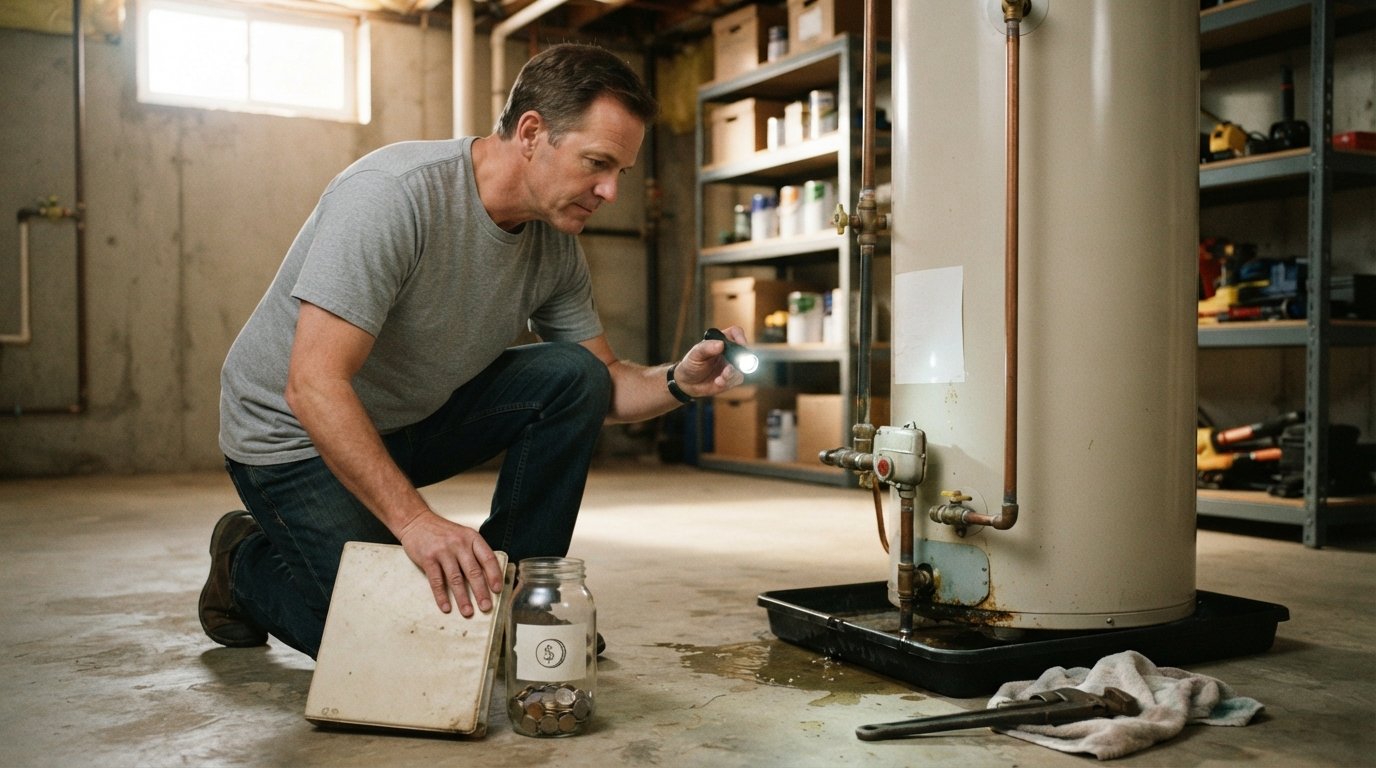
A water heater fails on a Sunday night, the roof starts leaking during a storm, or the furnace quits in the middle of January. These are the moments when a well-funded home repair emergency fund turns a crisis into an inconvenience. Without one, homeowners often reach for credit cards or take out high-interest loans, turning a manageable repair into a long-term debt problem. The question is not whether you need a reserve, but how much should you save. The answer depends on your home's age, its systems, and your risk tolerance, but there is a practical path to finding your number.
Why a Dedicated Home Repair Fund Matters
Homeownership comes with predictable and unpredictable costs. Routine maintenance like cleaning gutters or replacing air filters is easy to budget for, but true emergencies are the ones that wreck a monthly budget. A dedicated emergency fund for home repairs keeps you from raiding your general savings or retirement accounts when something breaks. It also gives you leverage: when you have cash on hand, you can negotiate with contractors, avoid high-pressure financing offers, and make decisions based on need rather than panic.
Think of this fund as self-insurance. Homeowners insurance covers sudden disasters like fire or hail, but it does not cover worn-out systems or normal failures. A home warranty might help with some appliances, but coverage limits and exclusions are common. A cash reserve fills the gap and keeps you in control.
How Much Should You Save? Key Factors to Consider
There is no single magic number, but financial experts and home maintenance pros often recommend saving 1% to 3% of your home's value each year for maintenance and repairs. For a $300,000 home, that is $3,000 to $9,000 annually. However, that guideline is for ongoing upkeep, not necessarily a dedicated emergency stash. A more targeted approach considers your home's age, the condition of major systems, and your personal comfort level.
Start by assessing the big-ticket items that could fail in the next five years. A roof, HVAC system, water heater, and major appliances all have expected lifespans. If your home is newer (under 10 years old), systems are likely still under warranty or have plenty of life left, so a smaller reserve of $3,000 to $5,000 might suffice. For homes 10 to 20 years old, systems start to wear out, and a fund of $5,000 to $10,000 is more appropriate. Older homes (20+ years) often need a larger cushion, $10,000 to $15,000 or more, because multiple systems may fail in close succession.
Another factor is your deductible. If you have a $2,000 insurance deductible, you should have at least that amount available for a covered claim. Beyond that, consider your comfort level: if the thought of a $5,000 repair keeps you up at night, aim higher.
Common Emergency Repairs and Typical Cost Ranges
Knowing what emergencies actually cost helps you set a realistic target. Here are some of the most common home repair emergencies and their typical price ranges (national averages, which vary by region and severity):
- Water heater replacement: $800 to $2,500 (tankless models can exceed $3,000)
- Furnace or HVAC repair: $300 to $1,500 for repairs; full system replacement $4,000 to $8,000
- Roof leak repair: $300 to $1,500 for minor repairs; full roof replacement $5,000 to $12,000
- Sewer line blockage or repair: $300 to $3,000 for clogs; full line replacement $3,000 to $7,000
- Electrical panel upgrade: $1,000 to $3,000
- Major appliance replacement (refrigerator, oven, etc.): $500 to $2,500 each
These numbers show why a $5,000 fund is a reasonable starting point for many homeowners. A single HVAC failure or roof repair can wipe out that amount quickly, so if your home has multiple aging systems, aim higher. Keep in mind that labor costs and material prices fluctuate, so add a buffer for your local market.
Separating Routine Maintenance from True Emergencies
One of the biggest mistakes homeowners make is using their emergency fund for routine maintenance. Cleaning the gutters, servicing the HVAC system, or replacing a worn-out faucet are predictable expenses that should be part of your regular household budget, not your emergency stash. The emergency fund is for unexpected failures: the water heater that rusts out, the furnace that dies during a cold snap, or the pipe that bursts behind a wall.
To keep the lines clear, create a separate maintenance budget. A good rule of thumb is to set aside 1% of your home's value annually for maintenance, and keep that in a different account. Then, build your emergency fund on top of that. For example, if your home is worth $250,000, budget $2,500 per year for maintenance (about $208 per month). Your emergency fund is separate and should be large enough to cover a major system failure.
When a repair comes up, ask yourself: is this something I could have predicted with regular upkeep? If yes, it belongs in the maintenance budget. If it is a sudden breakdown or safety hazard, use the emergency fund.
Where to Keep Your Home Repair Emergency Fund
The money needs to be accessible within a day or two, but not so accessible that you dip into it for non-emergencies. A high-yield savings account is ideal: it earns interest, keeps the funds separate from your checking account, and allows quick transfers. Avoid locking the money in CDs or investment accounts, which may have penalties or delays. You want liquidity.
Some homeowners use a tiered approach: keep a smaller amount (say $1,000) in a savings account linked to checking for immediate small repairs, and a larger sum in a separate high-yield savings account for bigger emergencies. This reduces the temptation to spend the entire fund on a minor issue and keeps the bulk of the money earning interest.
Automate contributions. Treat your emergency fund like a bill: set up a monthly transfer from checking to savings. Even $100 or $200 per month adds up quickly. If you get a tax refund or bonus, direct a portion to the fund. Consistency matters more than the amount.
Using Home Warranties and Financing as a Backup
A home warranty can be a useful supplement to your emergency fund, but it is not a replacement. These policies typically cover repair or replacement of major systems and appliances due to normal wear and tear, but they come with service call fees ($50 to $100), coverage caps, and exclusions. Read the fine print carefully. If you have a home warranty, you still need cash for the service fee and for items the warranty does not cover.
Financing options, such as a home equity line of credit (HELOC) or a contractor-offered payment plan, can serve as a backstop for very large emergencies. However, relying on credit should be a last resort. Having a cash reserve reduces the need for financing and can even help you get better terms if you do need to borrow. For homeowners planning multiple upgrades, it helps to understand the full scope of potential costs; our fall home maintenance checklist and budget guide can help you plan ahead and avoid surprise expenses.
If a major repair requires professional help, connecting with a trusted local contractor is essential. Platforms like BuySellRemodel help homeowners find experienced pros for repairs and remodels, often with free estimates, so you can compare options and avoid overpaying. Having a few reliable contacts before an emergency strikes saves time and stress.
Building Your Fund: A Step-by-Step Plan
If you are starting from zero, do not be discouraged. Building an emergency fund takes time, but a clear plan makes it manageable. Here is a simple approach:
- Set a target: Use the guidelines above to pick a number. Start with a mini-goal of $1,000, then work toward three to six months of essential expenses or a home-specific target like $5,000.
- Open a dedicated high-yield savings account: Keep it separate from your everyday accounts.
- Automate monthly transfers: Even small amounts add up. Treat it as a non-negotiable expense.
- Direct windfalls: Tax refunds, bonuses, and gifts can accelerate your progress.
- Review annually: As your home ages and your equity grows, reassess your target.
Remember that the fund is for true emergencies. If you use it, replenish it as soon as possible. A home repair emergency fund is not a one-time project; it is an ongoing part of responsible homeownership.
When a repair is beyond your DIY skills, hiring a qualified contractor is the safest choice. HomeReModelingsContractors.com connects homeowners with local pros for everything from emergency repairs to planned upgrades. Requesting a free estimate can help you understand costs and make informed decisions without pressure.
Ultimately, the right amount to save for home repairs is the amount that lets you sleep at night and handle a major failure without financial strain. Start with a realistic target, keep the money accessible but separate, and build it steadily. Your future self will thank you when the unexpected happens.