
Should I Move Out During a Kitchen Remodel? A Cost and Sanity Guide
Deciding whether to move out during a kitchen remodel? Weigh costs, timelines, and sanity. Call (833)-439-3727 for free quotes from local contractors.

By Quinn Keller
Learn more about Kitchen Remodel for guides, costs, and what to expect.
Compare Kitchen Remodel Pros Near You

Enter your ZIP code to compare independent local professionals and request free quotes.
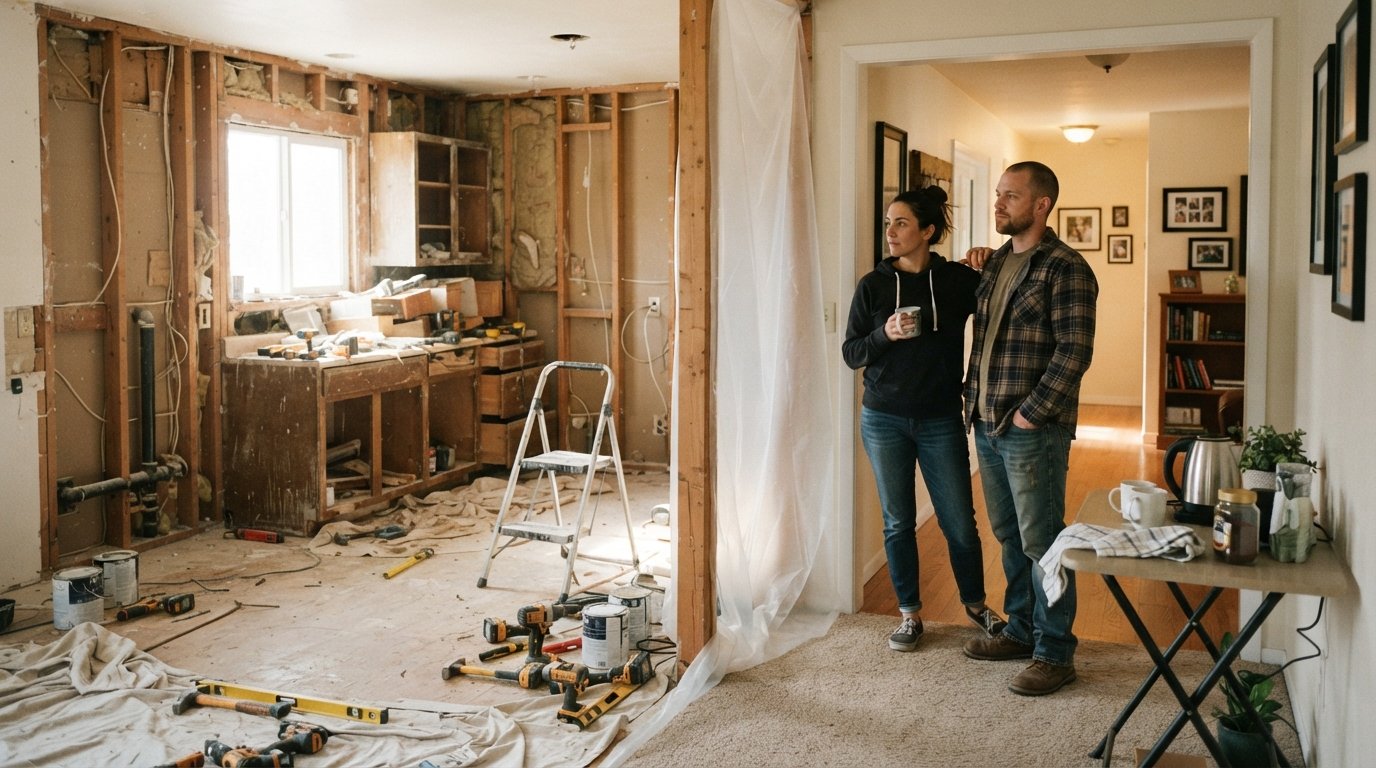
Your kitchen is the heart of your home, but during a remodel, it can feel more like a construction zone than a gathering place. The dust, the noise, the constant parade of workers, and the loss of your primary cooking space can turn daily life upside down. If you are staring down a major kitchen renovation, you are likely asking yourself one critical question: should I move out during a kitchen remodel? The answer is not a simple yes or no. It depends on the scope of your project, your budget, your tolerance for chaos, and the needs of your household. This guide will walk you through the key factors so you can make an informed decision that balances cost, convenience, and your sanity.
Assessing the Disruption: What a Kitchen Remodel Really Looks Like
Before you decide whether to pack your bags, you need a realistic picture of what living through a kitchen remodel entails. The disruption is not uniform; it comes in waves, each with its own challenges. Understanding the timeline and the intensity of each phase will help you gauge whether staying put is feasible.
A full kitchen remodel typically takes six to twelve weeks, though supply chain delays or structural surprises can stretch that timeline. A partial remodel, such as refacing cabinets or replacing countertops, might take two to four weeks. The worst weeks are usually the demolition and cabinet installation phases. During demolition, you will deal with loud noise, airborne dust, and the removal of your old kitchen. Cabinet installation brings precision work but also blocks access to your temporary setup. If you can plan to be away for those specific weeks, you might not need to move out for the entire project.
To help you map out the disruption, here is a breakdown of typical phases and what to expect:
- Demolition (Days 1-3): Heavy noise, dust, and debris. Your kitchen is completely unusable.
- Rough-in (Days 4-10): Plumbing and electrical work. Water may be shut off, and power may be intermittent.
- Drywall and Painting (Days 11-15): Dust settles, but fumes from paint and mud can be strong.
- Cabinet and Countertop Installation (Days 16-25): Precise work that often requires clear access. Your temporary kitchen may be blocked.
- Final Touches (Days 26-30+): Backsplash, fixtures, and cleanup. The end is in sight, but small tasks can drag on.
If your household includes young children, pets, or individuals with respiratory sensitivities, the dust and fumes alone might tip the scales toward moving out. Similarly, if you work from home and need a quiet environment for calls or concentration, the constant hammering and radio noise can be a major obstacle. On the other hand, if you have a flexible schedule and can tolerate some inconvenience, staying might be manageable, especially if you set up a functional temporary kitchen.
The Temporary Kitchen Setup: Can You Really Cook Without a Kitchen?
One of the biggest concerns about staying home during a remodel is the loss of your cooking space. Eating out for every meal gets expensive and unhealthy fast. But with some creativity and planning, you can create a temporary kitchen that handles basic meals. The key is to designate a separate area, such as a laundry room, dining room, or even a corner of the living room, and equip it with the essentials.
Start by identifying alternative appliances. A microwave, slow cooker, electric skillet, and portable induction cooktop can cover most cooking needs. For a sink, you can use a utility sink in the laundry room or a bathroom sink for washing small items; a large plastic tub can serve as a dishwashing station. Stock up on disposable plates, utensils, and cups to minimize cleanup. Also, consider setting up a mini-fridge to keep perishables handy. If you have a grill or outdoor kitchen, use it as much as possible, especially during warmer months.
Here are the must-haves for a functional temporary kitchen:
- Cooking appliances: Microwave, slow cooker, electric skillet, portable induction cooktop, toaster oven.
- Cleaning supplies: Plastic tubs for washing dishes, paper towels, dish soap, and a drying rack.
- Storage: A mini-fridge or cooler, airtight containers for dry goods, and a small shelving unit.
- Disposables: Paper plates, plastic utensils, and cups to reduce dishwashing.
- Organization: A basket or caddy to carry items between the temporary kitchen and the sink.
Even with a good setup, the novelty wears off quickly. Cooking in a makeshift space can be frustrating, especially if you are used to a large, well-equipped kitchen. If your family relies on home-cooked meals for health or budget reasons, the stress of a temporary kitchen might justify moving out. Conversely, if you are comfortable with simple meals and takeout, staying could save you the cost of a rental.
Cost Comparison: Short-Term Rental vs. Staying Put
The financial aspect is often the deciding factor. Moving out during a kitchen remodel comes with a price tag, but staying home has its own hidden costs. To make a smart decision, you need to compare the two scenarios side by side.
Renting a short-term apartment or staying in a hotel for the duration of the project is the most obvious expense. In many markets, a furnished short-term rental can cost $2,000 to $4,000 per month, depending on size and location. Add in the cost of moving your essentials, pet fees, and utility deposits, and the total can climb quickly. However, you also need to factor in what you save: you will not be eating out as much, you will not need to buy disposable plates and utensils, and you will avoid the wear and tear on your home from construction traffic. Plus, you can often negotiate a lower rent for a longer stay.
Staying home, on the other hand, often leads to increased spending on takeout and restaurant meals. A family of four might spend $1,000 to $1,500 per month on food if they cannot cook, compared to $600 on groceries. You may also need to purchase temporary appliances, cleaning supplies, and air filters to manage dust. And there is the cost of your time and sanity: if the stress of living in a construction zone affects your work performance or relationships, that has a real value.
To illustrate, here is a sample cost comparison for a two-month remodel:
- Short-term rental: $3,000 per month x 2 = $6,000, plus $500 for moving and deposits, minus $400 saved on dining out (since you can cook) = $6,100.
- Staying home: $1,200 per month on dining out x 2 = $2,400, plus $300 on temporary appliances and supplies, plus $200 on extra cleaning = $2,900.
In this example, staying home is significantly cheaper. But if you have a large family or high-end tastes, the dining-out costs could easily exceed a rental. Also, consider the value of your peace of mind. If you can afford it, moving out might be worth the investment in your well-being. For more detailed cost breakdowns, you can explore our guide on open concept kitchen remodel pros and cons, which often involve longer timelines and greater disruption.
Scheduling Tips to Shorten the Worst Weeks
If you decide to stay home, you can minimize the disruption by strategically scheduling the project. The goal is to compress the most intense phases into a shorter window, ideally when you can be away or have extra support. Talk to your contractor about the timeline and see if you can align the worst weeks with a vacation or a period when you can work remotely from a family member's home.
One effective strategy is to phase the remodel. For example, you might complete the demolition and rough-in while you are out of town for a week, then return for the slower finish work. Or, you could arrange for the cabinet installation to happen while you are visiting relatives. Another tip is to ask your contractor if they can work longer days or weekends to accelerate the schedule (though this may increase costs). Also, consider setting up your temporary kitchen in a room that is far from the construction zone to reduce dust and noise.
Here are some scheduling moves that can help:
- Plan a vacation during demolition: The first few days are the loudest and dustiest. If you can be away, do it.
- Coordinate cabinet delivery and installation: Ensure cabinets arrive on time to avoid delays. If installation falls during a busy work week, consider staying with a friend.
- Ask for a detailed schedule: A good contractor will provide a week-by-week plan. Use it to plan your own time away.
- Build in buffer time: Remodels rarely go exactly as planned. Having a flexible mindset and a backup plan (like a hotel night or two) can save you from meltdowns.
If you need to find a contractor who can work with your schedule, consider using a free matching service like HomeRemodelingsContractors.com. They connect you with independent local providers who can discuss timelines and options. You can compare quotes and find a professional who understands your need to minimize disruption.
When Moving Out Makes Sense (and When It Does Not)
Ultimately, the decision to move out during a kitchen remodel hinges on a few key factors. Moving out is often the better choice if you have a large family, young children, pets, or anyone with health concerns. It is also wise if your project is extensive, involving structural changes or a full gut, and if you have the budget to afford a rental without straining your finances. Additionally, if you work from home and need a quiet space, or if you simply cannot tolerate the chaos, moving out can preserve your sanity and productivity.
On the other hand, staying home can work well for smaller projects, such as a cosmetic refresh or a partial remodel. It is also a good option if you are on a tight budget and can manage with a temporary kitchen. If you are handy and can set up a functional cooking area, and if you are comfortable with some inconvenience, staying can save you thousands of dollars. Plus, being on-site allows you to monitor the progress and catch issues early.
One middle-ground option is to stay home for most of the project but book a short-term rental or hotel for the worst weeks (demolition and cabinet installation). This hybrid approach can reduce stress without breaking the bank. Another option is to house-sit for a friend or family member who is out of town, which might be free or low-cost.
If you are still unsure, consider these questions:
- Can your household function with a temporary kitchen for the duration?
- Is the cost of a rental less than the cost of eating out and stress?
- Do you have a place to go that is affordable and comfortable?
- How long will the worst phases last, and can you be away then?
Answering these honestly will point you toward the right choice. And remember, if you need help finding a contractor or comparing quotes, HomeRemodelingsContractors.com offers a free service to match you with local professionals. You can also check out Moving.Homes for comprehensive relocation resources if you decide to move out temporarily, including packing tips and checklists to make the transition smoother.
Protecting Your Home and Belongings During the Remodel
Whether you stay or go, you need to protect your home and belongings from construction dust and damage. If you stay, seal off the kitchen with plastic sheeting and use air purifiers to keep dust at bay. Cover furniture and floors in adjacent rooms, and consider setting up a negative air pressure system to prevent dust from spreading. If you move out, take valuables with you or store them securely, and invest in good locks and possibly a security system if the house will be empty for extended periods.
Communication with your contractor is key. Ensure they know which areas are off-limits and how to secure the home at the end of each day. If you are moving out, provide them with a key and alarm codes, and establish a clear line of communication for updates. A reputable contractor will respect your property and take precautions to minimize damage.
Finally, consider the emotional toll of a remodel. Even with the best planning, renovations are stressful. If you decide to stay, set realistic expectations and plan small rewards for yourself along the way. If you move out, enjoy the break from the chaos and look forward to returning to your beautiful new kitchen.
In the end, the question of whether to move out during a kitchen remodel is a personal one. Weigh the costs, the disruption, and your family's needs, and do not be afraid to choose the option that prioritizes your well-being. With careful planning and the right support, you can navigate this challenging time and come out with a kitchen you love.