
Exterior Wall Repair Cost: Siding, Stucco, and Brick
Get typical exterior wall repair cost for siding, stucco, and brick, plus tips on when to DIY and when to hire a pro. Call (833)-439-3727 for expert guidance.

By Wendy Walsh
Learn more about Stucco Repair for guides, costs, and what to expect.
Compare Stucco Repair Pros Near You

Enter your ZIP code to compare top-rated local professionals and request free quotes.
Your home's exterior walls are its first line of defense against the elements, and when damage strikes, the cost to repair them can vary dramatically depending on the material. Whether you are staring at a cracked stucco patch, warped siding, or crumbling brick mortar, understanding the exterior wall repair cost for siding, stucco, and brick is essential for budgeting and making informed decisions. This guide breaks down typical price ranges, warning signs that demand professional attention, and practical steps to keep repair costs from spiraling out of control.
Typical Repair Costs by Material: Siding, Stucco, and Brick
Repair costs hinge on the material, the extent of damage, and local labor rates. Siding repairs are often the most straightforward and budget-friendly, while stucco and brick require specialized skills that push prices higher. Below, we break down what homeowners typically pay for common fixes in each category.
Siding repairs generally range from $150 to $1,000 for minor to moderate damage. Replacing a few cracked vinyl panels might cost $150 to $300, while repairing wood siding with rot can run $300 to $800 for small sections. Fiber cement siding repairs fall in the $250 to $700 range for isolated areas. Labor typically accounts for 40 to 60 percent of the total, and if the damage is near rooflines or requires scaffolding, expect the higher end of the range.
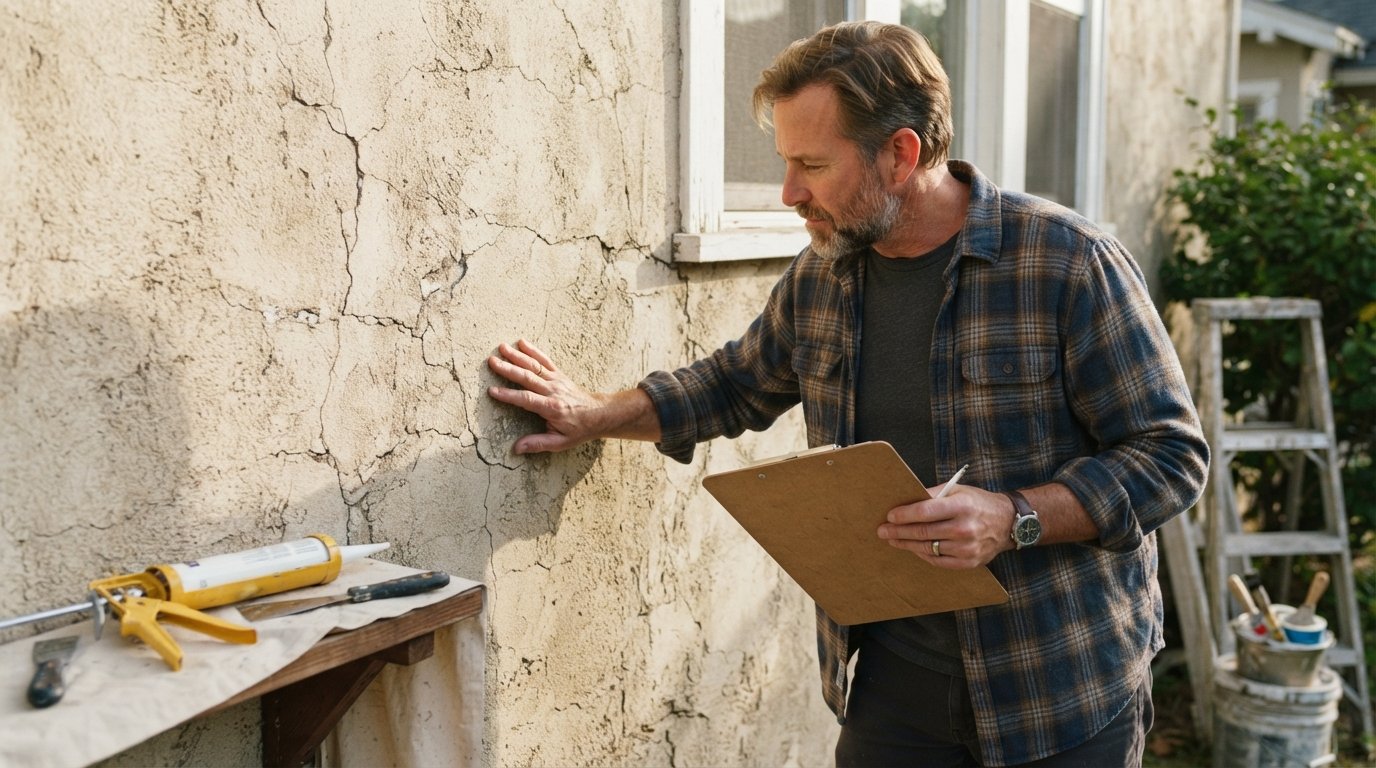
Stucco repairs are more involved because matching texture and color is an art. Small cracks (hairline to 1/8 inch) often cost $200 to $500 to seal and repaint. Larger patches, say 10 to 50 square feet, can run $500 to $1,500. If water has penetrated behind the stucco and damaged the substrate, repairs can escalate to $2,000 or more, especially if drainage planes need correction. Stucco repair prices also climb when the damaged area is high on a wall or in a hard-to-reach location.
Brick and masonry repairs are typically the most expensive due to the skill required and the cost of matching materials. Repointing (tuckpointing) mortar joints runs $3 to $10 per square foot, with a typical minimum job of $300 to $600. Replacing a few spalled bricks might cost $200 to $500, but larger sections or structural cracks can push costs to $2,000 to $5,000 or more. If the damage involves lintel repair or foundation issues, expect significantly higher estimates.
These figures are national averages; your local market, the age of your home, and accessibility will influence the final price. For a more precise estimate tailored to your project, consider using a free cost estimation tool or requesting quotes from local contractors. You can also read our guide on DIY versus professional drywall repair for insights on when to tackle interior wall fixes yourself, a similar decision-making framework applies to exterior repairs.
Warning Signs of Water Intrusion and Structural Compromise
Not all exterior wall damage is cosmetic. Some signs indicate that water has already infiltrated behind the surface, potentially causing rot, mold, or structural weakening. Catching these early can save thousands in repairs. Watch for these red flags:
- Soft or spongy spots in siding or trim, which often signal rot beneath the surface.
- Crumbling mortar or loose bricks, which can allow water to penetrate and freeze, worsening the damage.
- Stucco cracks wider than 1/8 inch or any crack that has grown over time, especially if accompanied by staining.
- Interior water stains on ceilings or walls near exterior walls, indicating a leak from outside.
- Musty odors or visible mold near baseboards or in basements, suggesting chronic moisture intrusion.
If you notice any of these, it is wise to call a professional for an inspection. Water damage can quickly compromise the structural integrity of your home, and the exterior wall repair cost for siding, stucco, and brick will be far higher if you wait. A qualified contractor can identify the source of the moisture and recommend the appropriate repair scope, which may include addressing flashing, caulking, or drainage issues.
Minor Fixes Homeowners Can Handle vs. Repairs That Risk Bigger Damage
Some exterior wall repairs are safe for a confident DIYer, while others can void warranties, worsen damage, or create safety hazards. Here is how to draw the line.
DIY-friendly tasks include caulking around windows and doors, replacing a few individual vinyl siding panels (if you have matching spares), sealing hairline stucco cracks with an elastomeric sealant, and painting small areas. These jobs require basic tools and a bit of patience, and they can extend the life of your exterior. However, even these tasks have limits: if you are unsure about the cause of the damage or the repair method, consult a pro.
Repairs best left to professionals involve any structural component, extensive rot, stucco patching that requires color and texture matching, brick repointing, and any damage near rooflines or foundations. Attempting these yourself can lead to water intrusion, mold growth, or even personal injury. For example, improper stucco repair can trap moisture and cause the entire wall system to fail. Similarly, poor brick repointing can accelerate deterioration. When in doubt, hire a licensed contractor who specializes in exterior wall systems.
If you are considering a DIY approach for minor repairs, be honest about your skills and the risks. Many homeowners find that the peace of mind from a professional repair is worth the extra cost, especially for anything beyond cosmetic fixes.
How Matching Materials and Color Affects Repair Cost and Appearance
One of the biggest challenges in exterior wall repair is achieving a seamless match. Siding, stucco, and brick all present unique matching hurdles, and the cost of matching can significantly impact the overall exterior wall repair cost for siding, stucco, and brick.
Siding comes in specific profiles and colors, and manufacturers discontinue lines regularly. If your siding is older or no longer produced, you may need to replace a larger section to create a uniform look, or consider painting the entire house. Vinyl siding cannot be painted easily (though specialty products exist), so matching becomes critical. Wood siding can be custom-milled, but that adds cost.
Stucco is a mixture of cement, sand, and lime, and the final texture depends on the applicator's technique. Matching an existing texture requires skill, and color matching is another layer. Many contractors will apply a test patch to ensure a close match, which adds time and cost. If the stucco is painted, you may need to repaint the entire wall to blend the repair.
Brick is perhaps the hardest to match because of variations in color, size, and texture over time. New bricks often look too clean and uniform next to weathered ones. Contractors may need to source reclaimed bricks or use a blend of new and old to achieve a natural look. Mortar color also matters; a mismatched mortar joint can stand out even if the bricks match. Expect to pay a premium for expertise in matching historic or custom brickwork.
To manage costs, discuss matching expectations with your contractor upfront. Sometimes, a slightly visible repair is acceptable if it saves hundreds of dollars; other times, a perfect match is worth the investment. A reputable contractor can advise you on the best balance between cost and appearance.
Preventive Steps That Reduce Repeat Exterior Wall Repairs
The best way to minimize exterior wall repair costs is to prevent damage before it starts. Regular maintenance and proactive upgrades can add years to your exterior's life and avoid costly emergency repairs.
Inspect and maintain caulk and sealants annually. Check around windows, doors, and penetrations for cracks or gaps, and reapply a high-quality exterior sealant as needed. This simple task prevents water from getting behind siding and stucco.
Keep gutters and downspouts clear to direct water away from the foundation. Overflowing gutters can cause water to back up under roofing and siding, leading to rot and mold. Ensure downspouts discharge at least 4 to 6 feet from the house.
Trim vegetation away from exterior walls to improve airflow and reduce moisture. Bushes and trees should be at least 12 inches from the siding to prevent trapped dampness and pest access.
Address minor cracks promptly before they grow. A $10 tube of sealant can prevent a $1,000 stucco repair. For brick, repoint small areas of crumbling mortar early to avoid water infiltration and freeze-thaw damage.
Consider a professional inspection every few years, especially if your home is older or in a harsh climate. An expert can spot potential issues and recommend preventive measures. For help finding a qualified pro, you can connect with local contractors who offer free estimates and can assess your exterior's condition.
By staying on top of maintenance, you not only reduce the exterior wall repair cost for siding, stucco, and brick but also protect your home's value and curb appeal. When repairs are needed, obtaining multiple quotes and choosing a licensed, experienced contractor is the best way to ensure quality work at a fair price. Take the first step by requesting free estimates from trusted local professionals today.