
Foundation Repair Cost Guide: 2026 Pricing and Options
Foundation repair costs vary widely. This guide breaks down pricing by repair type, signs to watch, and how to get fair quotes.

By Cameron Howard
Learn more about Foundation Repair for guides, costs, and what to expect.
Compare Foundation Repair Pros Near You

Enter your ZIP code to compare top-rated local professionals and request free quotes.
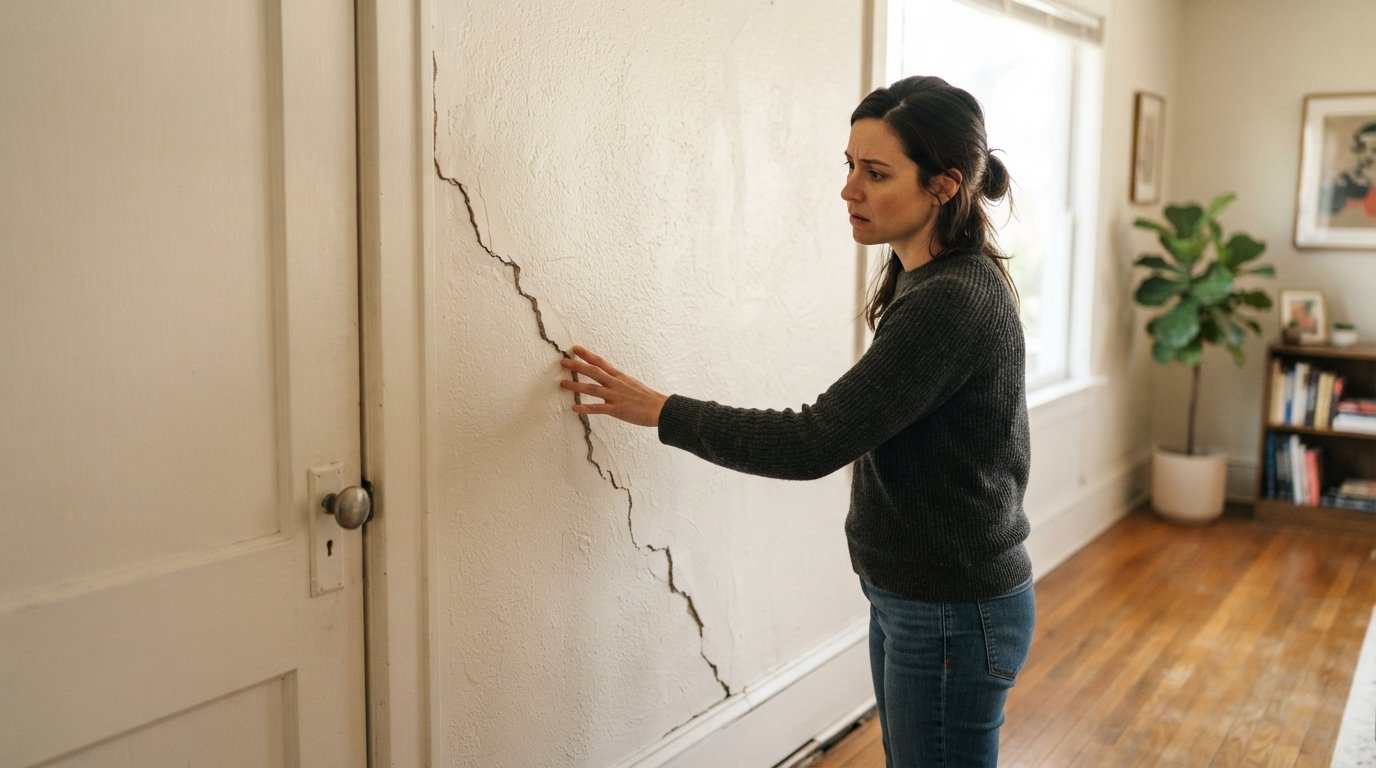
When cracks appear in your walls or doors start sticking, your mind may jump to worst-case scenarios. Foundation problems sound expensive and invasive, but the truth is more nuanced. Repair costs vary widely based on the type of damage, the size of your home, and the solution required. This foundation repair cost guide breaks down what you can expect to pay, how to spot serious issues, and how to avoid overpaying for unnecessary work.
Most homeowners spend between $2,000 and $7,500 on foundation repairs, but minor fixes can cost as little as $500, while major structural work can exceed $30,000. The key is understanding what drives those numbers and getting multiple professional assessments before committing. With the right approach, you can protect your home's value without draining your savings.
Signs That Your Foundation Needs Attention
Not every crack means disaster. Hairline cracks in new concrete are often cosmetic, but certain warning signs warrant a professional inspection. If you notice any of the following, start gathering quotes early, as delaying repairs usually increases costs.
- Horizontal or stair-step cracks in brick or block walls
- Doors and windows that stick or no longer latch properly
- Gaps between exterior trim and walls or between floor and baseboards
- Uneven or sloping floors, especially in older homes
- Water pooling near the foundation or visible soil erosion
These symptoms indicate movement, but they do not tell you the cause. A structural engineer or experienced foundation contractor can determine whether the issue is active or old and stable. That distinction matters because it directly affects whether you need repairs at all or just minor cosmetic fixes.
Average Costs by Repair Type
Foundation repair pricing depends heavily on the method used. Below are typical price ranges for common solutions, based on national averages. Your local rates and specific conditions may differ.
Crack Injection and Sealing
Narrow cracks that are not actively moving can often be sealed with epoxy or polyurethane foam. This prevents water intrusion and stabilizes the crack. Expect to pay $250 to $800 per crack, depending on depth and accessibility. If the contractor needs to excavate or use specialized equipment, the price climbs.
Piering and Underpinning
When settled soil causes your foundation to sink, piers are driven deep into stable soil to support the structure. This is the most common solution for slab foundations. Costs range from $1,000 to $3,000 per pier, and most homes need between four and eight piers. A typical piering job runs $5,000 to $15,000, with larger homes or commercial buildings costing more.
Slab Jacking or Mudjacking
For concrete slabs that have settled slightly, a slurry mixture is pumped beneath the slab to lift it back into place. This is less invasive than piering and generally costs $500 to $1,500 per area, though prices vary with the size of the slab and the amount of lifting required.
Waterproofing and Drainage Corrections
Many foundation problems are caused by poor drainage. Installing French drains, sump pumps, or regrading your yard can prevent future damage. These solutions cost between $2,000 and $10,000, depending on the extent of the work. While not strictly foundation repair, they are often necessary to stop recurring issues.
Full Foundation Replacement or Major Structural Work
In severe cases, sections of the foundation may need to be replaced or reinforced with steel beams. This is rare and usually involves extensive excavation and engineering. Costs can range from $20,000 to $100,000 or more. If a contractor suggests this, always get a second opinion from a structural engineer before proceeding.
Factors That Influence Your Foundation Repair Quote
Several variables affect the final price you receive from contractors. Understanding these helps you compare quotes fairly and avoid surprises.
Foundation type and access: Crawlspace foundations are easier to access than slab foundations, which may require cutting through concrete. Homes on slopes or with limited access increase labor time and cost.
Severity of damage: A few hairline cracks are far cheaper to fix than a foundation that has shifted several inches. Contractors will assess the extent of movement and the risk of further damage.
Local labor and material rates: Prices vary by region and even by neighborhood. Urban areas with higher living costs typically see higher repair quotes.
Permits and engineering fees: Many municipalities require permits for foundation work, and some jobs need a structural engineer's report. These fees add $500 to $2,000 to your total.
Signs of a Hidden Foundation Problem
Sometimes the most visible sign is not a crack but a symptom like a stuck door or a gap under a window. These can point to foundation movement, but they can also result from humidity or normal settling. A professional inspection can tell you whether the issue is structural or superficial. Many contractors offer free estimates, which is a great way to get an initial assessment without spending money.
If you do receive a high estimate, resist the urge to panic. Instead, ask the contractor to explain exactly what work will be performed and why. A reputable pro will walk you through the process and provide a written breakdown. For a broader look at how to manage home repair budgets, you might find our guide on upgrading your electrical panel useful, since it covers similar cost-planning principles.
How to Get Accurate Quotes and Avoid Overpaying
One of the best ways to control foundation repair costs is to get multiple quotes from qualified contractors. Do not automatically choose the lowest bid, as quality and warranty can vary significantly. Here is a simple process to follow.
- Ask for referrals from neighbors or your local real estate agent, and check online reviews.
- Invite at least three contractors to inspect your foundation and provide written estimates.
- Compare the scope of work, materials, and warranties, not just the bottom line.
- Request references and verify their licensing and insurance.
- Consider hiring a structural engineer for an independent assessment if the quotes differ greatly.
Taking these steps helps you find a trustworthy professional who will do the job correctly the first time. It also gives you leverage to negotiate a fair price.
Financing Your Foundation Repair
Foundation repairs are rarely budgeted for, so many homeowners wonder how they will pay. Options include home equity loans, personal loans, or credit cards with promotional rates. Some contractors offer in-house financing, but be sure to compare interest rates and terms. You can also ask about discounts for cash payments or scheduling during off-peak seasons.
Another smart move is to request multiple quotes through a service that connects you with local pros. This is where BuySellRemodel can help you plan affordable home improvement projects and connect with experienced local contractors. From free estimates to remodeling, repairs, and upgrades, they make it easier to find the right pro and get the job done right. Using a platform like this can save you time and reduce the risk of hiring someone who overcharges or underdelivers.
Preventive Measures to Save Money Long-Term
After you repair your foundation, take steps to prevent future damage. Proper drainage is the most important factor. Ensure gutters and downspouts direct water at least five feet away from your home. Grade your yard so the soil slopes away from the foundation. Install a moisture barrier if you have a crawlspace.
Regularly inspect your foundation for new cracks or changes in existing ones. Catching problems early can mean the difference between a $500 fix and a $10,000 repair. Also, keep trees and large shrubs away from the foundation, as roots can extract moisture from the soil and cause it to shrink.
DIY vs. Professional Repair
Some minor foundation issues, such as small cracks, can be sealed with DIY kits available at hardware stores. However, these are only cosmetic and do not address the underlying cause. If you suspect structural movement, always hire a professional. Incorrect repairs can worsen the problem and void your home insurance coverage.
Professional foundation contractors have the equipment and experience to stabilize your home safely. They also provide warranties that protect you if the repair fails. Attempting a complex repair on your own could lead to more expensive damage down the road.
When to Worry and When to Wait
It is easy to feel overwhelmed when you see a crack in your foundation, but not every issue requires immediate action. If the crack is smaller than 1/8 inch and not growing, it may be normal settling. Monitor it for a few months before spending money on a repair. If the crack widens, changes direction, or you see water seeping in, call a professional right away.
Seasonal changes can also cause minor movement that resolves on its own. A professional inspection gives you peace of mind and a clear plan, whether that means watching the issue or scheduling work.
This foundation repair cost guide highlights the importance of understanding what you are paying for. By educating yourself on typical prices, asking the right questions, and comparing estimates, you can make a confident decision that protects your home and your budget. Remember, the cheapest option is not always the best, but the most expensive one is not necessarily the most reliable. Take your time, do your research, and choose a contractor who communicates clearly and stands behind their work.