
Mold Prevention During Home Renovation: A Homeowner's Guide
Protect your remodel from costly mold with smart moisture control. Call (833)-439-3727 for expert contractor guidance.

By Quinn Keller
Learn more about Mold Inspection and Removal for guides, costs, and what to expect.
Compare Mold Inspection and Removal Pros Near You

Enter your ZIP code to compare top-rated local professionals and request free quotes.
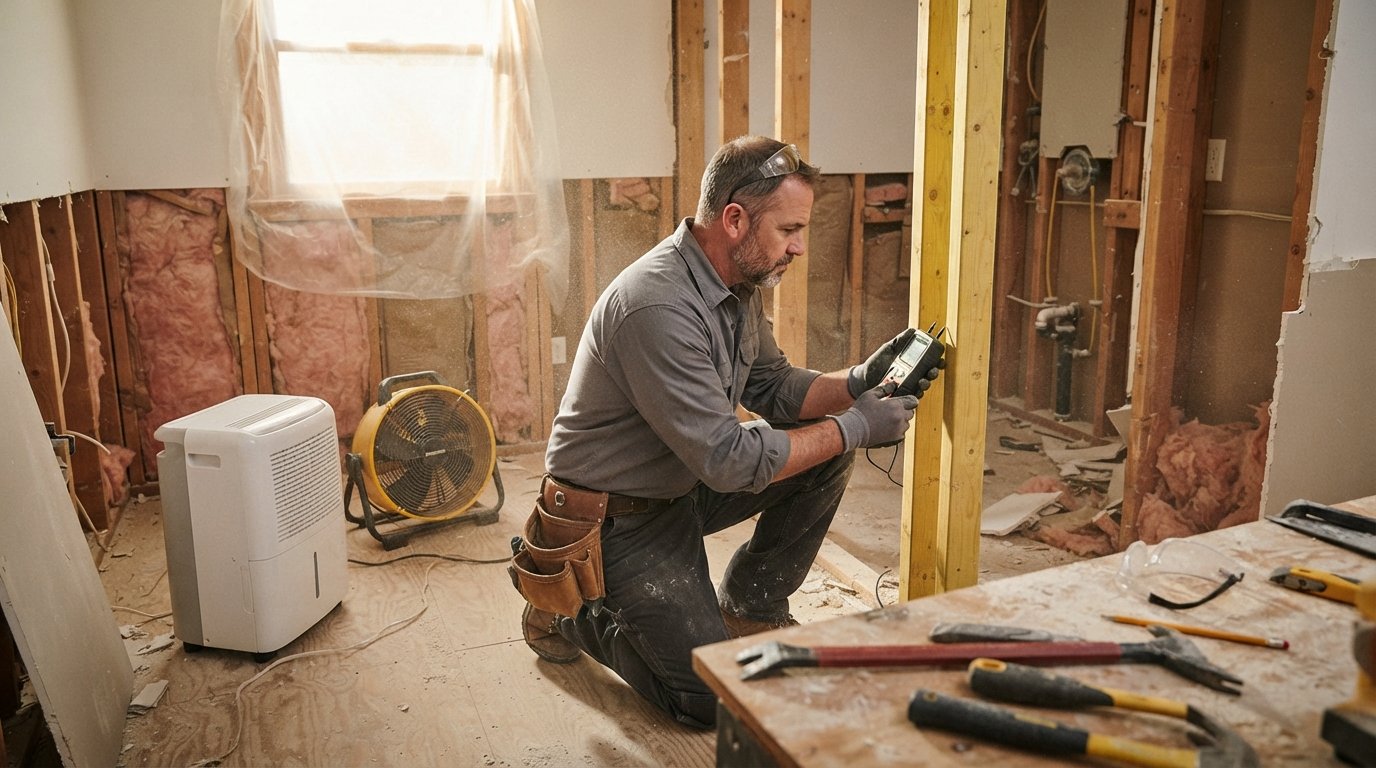
You have finally picked out the tile, the paint colors, and the new vanity. The last thing you want to think about is mold. Yet mold prevention during home renovation is one of the most important steps you can take to protect your investment and your family's health. Mold can start growing within 24 to 48 hours of a water leak, and a remodeling project often creates the perfect conditions for it: dust, moisture, and disrupted ventilation. Whether you are tackling a bathroom remodel, finishing a basement, or repairing water damage, a proactive approach to moisture control will save you thousands of dollars and countless headaches.
In this guide, we will walk you through the most common mold-prone areas during remodels, practical moisture control strategies, how to spot hidden mold, and the real cost comparison between prevention and remediation. We will also share when it makes sense to bring in a professional contractor to get the job done right.
Why Remodeling Creates a Mold Risk
Mold spores are everywhere, both indoors and outdoors. They only become a problem when they land on a damp surface and have a food source, such as drywall, wood, or dust. A renovation disturbs the normal equilibrium of your home. Demolition exposes framing and insulation to ambient humidity. Plumbing work can introduce slow leaks. New materials may arrive damp or be stored in humid conditions. Even the simple act of turning off the HVAC system during construction can raise indoor humidity levels.
In older homes, the risks are even higher. Previous water damage may have been painted over or hidden behind walls. When you open up a wall, you might discover mold that has been quietly growing for years. That is why mold prevention during home renovation must start before the first hammer swings. A thorough inspection and a moisture management plan are just as important as the design plan.
Common Mold-Prone Areas During a Remodel
Some areas of the home are naturally more susceptible to moisture problems. During a renovation, these spots deserve extra attention. Bathrooms are the obvious leader: showers, tubs, toilets, and sinks all generate moisture. Basements and crawl spaces are also high-risk because they are below grade and often have poor ventilation. Kitchens can be prone to mold behind cabinets and under sinks if there are slow leaks. Attics may develop mold if roof leaks or inadequate ventilation allow moisture to accumulate. Even living areas can be affected if new drywall is installed before the building is dried in, or if materials are stored on damp concrete.
If you are remodeling a bathroom, pay special attention to the ventilation system. In our guide on bathroom ventilation options and mold prevention costs, we explain how proper exhaust fans and ducting can dramatically reduce moisture levels and prevent mold growth. This is a critical step that many homeowners overlook until it is too late.
Moisture Control Strategies for Bathrooms and Basements
Controlling moisture is the single most effective way to prevent mold. In bathrooms, the key is to manage steam and splashes. Install a properly sized exhaust fan that vents to the outdoors (not into the attic) and run it during and for at least 20 minutes after showers. Choose moisture-resistant materials such as cement backer board, waterproof membranes, and mold-resistant drywall. Ensure that all plumbing penetrations are sealed and that the shower pan is properly sloped to drain. For basements, the strategy is different. You need to manage groundwater and humidity. Start by fixing any exterior drainage issues: make sure gutters are clean and downspouts direct water away from the foundation. Inside, use a dehumidifier to keep relative humidity below 50 percent. If you are finishing a basement, consider using rigid foam insulation and moisture-resistant drywall, and avoid installing carpet directly on the slab unless you use a moisture barrier.
Here are five essential moisture control steps to incorporate into your renovation plan:
- Seal and insulate: Properly air-seal and insulate exterior walls to prevent condensation.
- Ventilate: Install or upgrade exhaust fans in bathrooms, kitchens, and laundry areas.
- Use moisture-resistant materials: Choose mold-resistant drywall, pressure-treated lumber, and waterproof membranes in wet areas.
- Manage water at the source: Fix leaks immediately and ensure proper grading and drainage around the foundation.
- Control indoor humidity: Use dehumidifiers and air conditioning to keep humidity levels between 30 and 50 percent.
These steps are not just about mold prevention; they also improve indoor air quality and energy efficiency. When you work with a professional contractor, they can help you integrate these strategies into your overall renovation plan. If you are looking for affordable home improvement projects and experienced local contractors, BuySellRemodel is a valuable resource to explore. They help homeowners plan projects and connect with vetted professionals, making it easier to get the job done right.
Signs of Hidden Mold and When to Test
Mold is not always visible. It can grow behind walls, under floors, or inside HVAC systems. During a renovation, you may uncover hidden mold when you remove drywall or flooring. But even before demolition, there are warning signs: a musty odor, unexplained allergy symptoms, water stains on ceilings or walls, or a history of water damage. If you notice any of these, it is worth investigating before you start construction.
Testing for mold can be done with a DIY kit or by hiring a professional. DIY kits are inexpensive but can be unreliable. A professional mold inspection typically costs between $300 and $600 and includes air and surface sampling, moisture readings, and a detailed report. If you suspect mold, it is better to know before you renovate, because disturbing mold colonies can release spores into the air and spread contamination. If the mold covers more than 10 square feet, the EPA recommends hiring a professional remediator.
Cost of Mold Remediation vs. Prevention
Mold remediation can be expensive. According to home improvement data, the average cost to remediate mold is $1,500 to $3,000, but severe cases can exceed $10,000. The cost depends on the extent of the infestation, the type of mold, and the materials affected. Prevention, on the other hand, is far cheaper. Simple measures like upgrading a bathroom fan, using mold-resistant drywall, or fixing a leak can cost a few hundred dollars. Even a comprehensive moisture management plan during a renovation is a fraction of the cost of remediation.
Consider this: if you are spending $20,000 on a bathroom remodel, adding $500 for a high-quality exhaust fan and moisture-resistant materials is a 2.5 percent increase that could save you thousands in remediation and repairs down the line. Moreover, mold can affect resale value and cause health issues, so prevention is an investment in your home's future.
Working with Contractors to Prevent Mold
Your contractor plays a crucial role in mold prevention during home renovation. A reputable contractor will understand moisture management and building science. They will ensure that the building envelope is properly sealed, that ventilation is adequate, and that materials are installed correctly. They will also know when to call in a mold specialist if they uncover hidden mold.
When interviewing contractors, ask about their experience with moisture control and mold prevention. Do they use mold-resistant materials? How do they handle water damage? Do they follow local building codes for ventilation? A good contractor will be happy to answer these questions and will include moisture management in their scope of work. If you are looking for free estimates from local contractors, HomeReModelingsContractors.com can connect you with professionals who understand the importance of mold prevention.
Remember that mold prevention is not just a one-time effort; it is an ongoing practice. After the renovation is complete, continue to monitor humidity levels, fix leaks promptly, and maintain your ventilation systems. By taking a proactive approach, you can enjoy your newly renovated home without the worry of mold.
In summary, mold prevention during home renovation requires planning, the right materials, and a focus on moisture control. By addressing these factors early, you protect your investment and create a healthier living environment. For more guidance on planning affordable home improvement projects and connecting with experienced local contractors, explore the resources at HomeReModelingsContractors.com.