
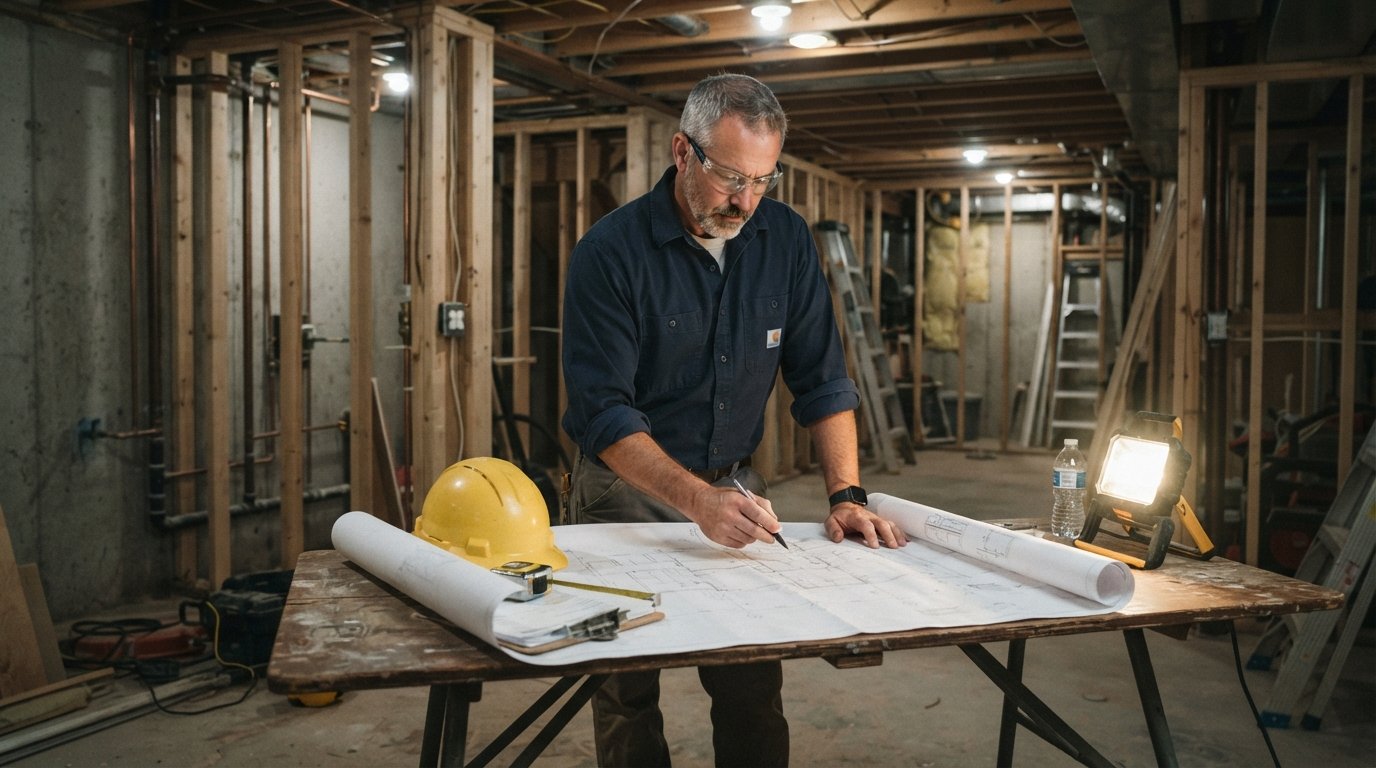
Do I Need a Permit to Finish My Basement in 2026?
Do I need a permit to finish my basement? Almost always yes. Get free quotes from licensed pros. Call 8334393727 to plan your project today.

By Sarah Thomas
Learn more about Basement Finishing or Remodeling for guides, costs, and what to expect.
Compare Basement Finishing or Remodeling Pros Near You

Enter your ZIP code to compare top-rated local professionals and request free quotes.
Finishing your basement can add valuable living space, increase your home's resale value, and give your family room to grow. But before you start picking out flooring or designing that home theater, you need to answer one critical question: do I need a permit to finish my basement? The short answer is almost always yes. The longer answer involves understanding why permits matter, what triggers the requirement, and how to navigate the process without derailing your budget or timeline. This guide walks you through everything you need to know so you can move forward with confidence and avoid costly mistakes.
Why Basement Finishing Almost Always Requires a Permit
Building codes exist to protect you, your family, and future occupants of your home. When you finish a basement, you are creating habitable living space, which means the same safety standards that apply to the rest of your house now apply below grade. Local building departments require permits to ensure that electrical work, plumbing, framing, insulation, and egress meet minimum safety requirements. Without a permit, you have no inspection record proving the work was done correctly.
The risks of skipping the permit go far beyond a potential fine. Unpermitted work can void your homeowner's insurance if a fire or flood traces back to code violations. It can also complicate a future home sale, since buyers and lenders often require proof that renovations were properly permitted. In some cases, you may be forced to tear out finished walls so inspectors can verify the work, which turns a modest project into a financial nightmare.
Even if your basement already has finished walls from a previous owner, adding new electrical outlets, plumbing lines, or structural changes will trigger permit requirements. The only scenario where you might avoid a permit is purely cosmetic work, such as painting or replacing carpet, and even then, local rules vary. When in doubt, call your building department before you swing a hammer.
What Triggers the Need for a Basement Permit
Not every basement project is treated equally by code officials. Understanding which activities require permits helps you plan accurately and budget for inspection fees. Here are the most common triggers that turn a simple update into a permitted project.
- Adding or relocating electrical outlets, switches, or lighting: Any new electrical work requires a permit and inspection.
- Installing plumbing fixtures: Adding a bathroom, wet bar, or laundry area means new supply and drain lines.
- Framing new walls or ceilings: Structural changes and fire blocking must meet code.
- Adding a bedroom or sleeping area: This requires egress windows and smoke detectors.
- HVAC modifications: Extending ductwork or adding a mini-split system needs approval.
If your project includes any of these elements, you will need to pull permits. In many jurisdictions, you can pull a single building permit that covers multiple trades, but some areas require separate electrical, plumbing, and mechanical permits. A licensed general contractor will typically handle this paperwork for you, which is one of the many reasons hiring a professional is worth the investment.
It is also worth noting that some homeowners associations (HOAs) have their own rules on top of municipal codes. Even if your city does not require a permit for a specific task, your HOA might. Always check both before starting work.
How to Obtain a Basement Finishing Permit: A Step-by-Step Guide
The permit process can feel intimidating if you have never navigated it before, but it follows a fairly predictable path. Here is a practical framework to help you move from application to approval without unnecessary delays.
- Contact your local building department: Ask what permits are required for your specific scope of work and request a checklist.
- Prepare your plans: You will need detailed drawings showing framing, electrical layout, plumbing, and egress. Many contractors provide these as part of their service.
- Submit your application: This can often be done online or in person. Pay the required fees, which vary by jurisdiction and project size.
- Schedule inspections: Inspectors will visit at key milestones, such as after framing, after rough electrical and plumbing, and after insulation.
- Obtain your certificate of occupancy: Once all inspections pass, you receive final approval, which confirms the space is legally habitable.
The timeline for permit approval ranges from a few days to several weeks depending on your location and the complexity of your project. Building departments in busy urban areas may take longer, so factor this into your schedule. Rushing the process or starting work before approval can result in stop-work orders and additional fees.
If you are working with a contractor, they will usually manage the permit application and inspection scheduling on your behalf. This is a significant advantage because experienced pros know exactly what inspectors look for and can prevent small issues from becoming expensive rework. If you are planning a larger renovation, such as a second story addition, the permitting requirements are even more involved.
Costs and Timelines: What to Expect for Permits and Inspections
Permit fees are typically calculated as a percentage of your project value or based on square footage. For a basement finishing project, you can expect to pay anywhere from a few hundred dollars to over a thousand dollars in permit fees alone. The exact amount depends on your municipality, the total scope of work, and whether you need separate trade permits.
Beyond the permit fee itself, you should budget for the time and potential costs associated with inspections. If an inspector finds a code violation, you will need to correct it and schedule a re-inspection, which may carry an additional fee. This is why it pays to work with contractors who understand local codes and build to spec the first time.
When budgeting for your basement finishing project, it is smart to get multiple quotes from licensed contractors. This allows you to compare not only price but also the level of detail each contractor provides regarding permits and inspections. Some contractors include permit costs in their estimate; others list it as a separate line item. Always clarify this upfront so there are no surprises.
Consequences of Finishing a Basement Without a Permit
Skipping the permit might seem like a way to save money and time, but the long-term consequences far outweigh any short-term savings. Here is what can happen if you finish your basement without proper authorization.
- Fines and penalties: Many municipalities impose daily fines until the work is brought into compliance.
- Forced removal: You may be required to demolish finished walls so inspectors can verify electrical, plumbing, and framing.
- Insurance denial: If a fire or flood is traced to unpermitted work, your insurer may deny your claim.
- Resale complications: Buyers and lenders often walk away from homes with unpermitted renovations.
- Safety hazards: Without inspections, serious code violations like inadequate egress or faulty wiring can go undetected.
These risks are entirely avoidable. The permit process is designed to protect you, and the cost of compliance is almost always less than the cost of remediation. If you have already completed unpermitted work, contact your building department to discuss your options. In some cases, you can apply for a retroactive permit, though you will likely pay higher fees and face more scrutiny.
DIY vs. Hiring a Professional for Permitted Basement Work
Some homeowners choose to finish their basements as a DIY project to save money. While there is nothing wrong with tackling certain tasks yourself, the permitting process adds a layer of complexity that favors hiring a licensed professional. For one, most building departments require that electrical and plumbing work be performed by licensed tradespeople. Even if you can pull an owner-builder permit, you will still need to hire licensed electricians and plumbers for those portions of the work.
A qualified general contractor brings several advantages to a permitted basement finishing project. They understand local codes, can prepare detailed plans that satisfy inspectors, and have established relationships with subcontractors who do quality work. They also carry insurance and provide warranties, which protects you if something goes wrong. When you factor in the value of your time and the risk of costly mistakes, the cost of hiring a pro often pays for itself.
If you are looking for affordable home improvement solutions and want to connect with experienced local contractors, BuySellRemodel can help you find the right professional for your basement project. They make it easier to get free estimates and compare options so you can move forward with confidence.
Key Takeaways and Final Advice
So, do I need a permit to finish my basement? For virtually any project that involves electrical, plumbing, framing, or creating habitable space, the answer is yes. Permits protect your investment, ensure your family's safety, and prevent problems when you sell your home. The process is manageable when you work with experienced professionals who know the local requirements.
Before you begin, contact your building department to confirm what is required. Get multiple quotes from licensed contractors, and make sure permit costs and responsibilities are clearly outlined in your contract. If you are planning other cosmetic upgrades, such as choosing paint colors that hide imperfections, those tasks typically do not require permits, but it is always wise to verify.
Finishing your basement is an exciting step toward a more functional and valuable home. With the right permits in place and a qualified contractor by your side, you can enjoy your new space knowing it was built safely and legally. Call 8334393727 to get started today.