
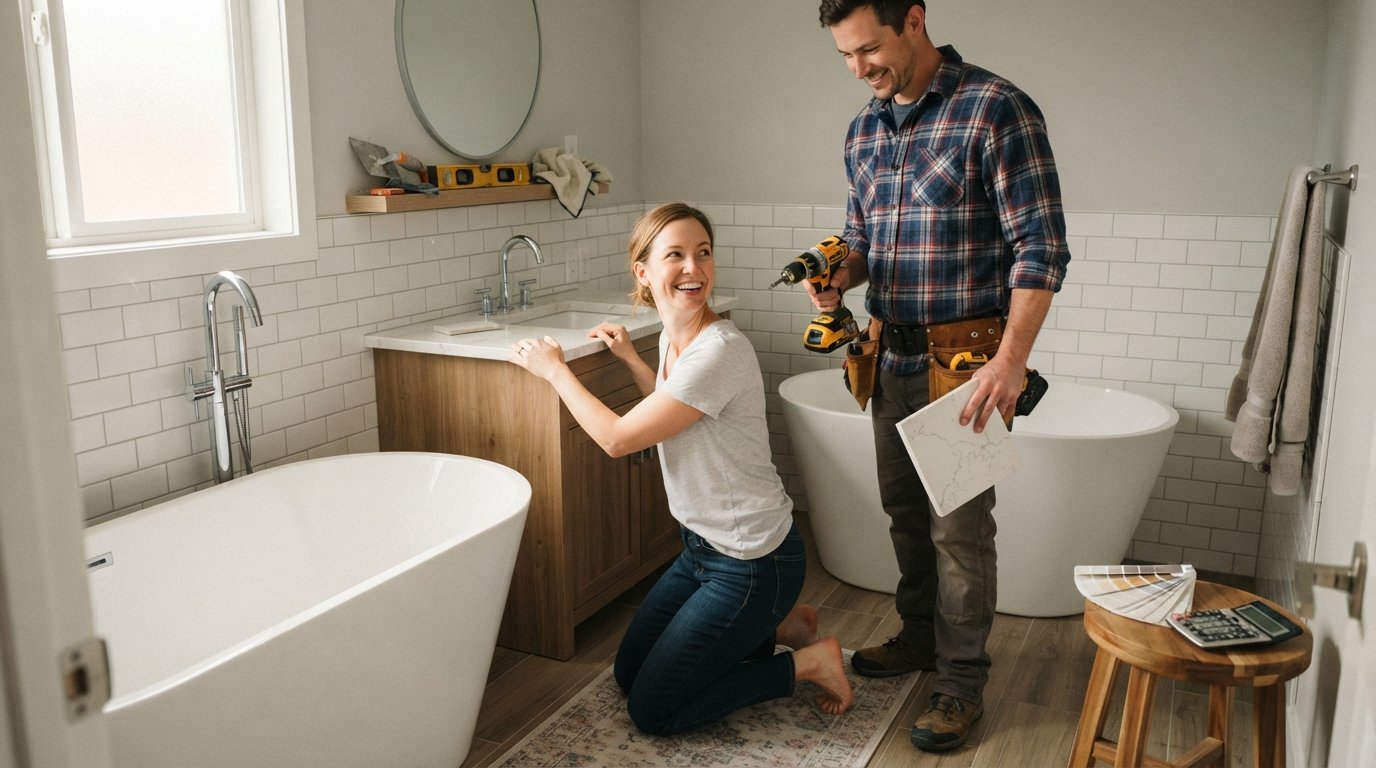
Bathroom Remodeling on a Budget: Smart Tips for 2026
Plan a successful bathroom remodeling project with practical tips on budgeting, design, and hiring the right local contractor for a stress-free renovation.

By Cameron Howard
Learn more about Bathroom Remodel for guides, costs, and what to expect.
Compare Bathroom Remodel Pros Near You

Enter your ZIP code to compare top-rated local professionals and request free quotes.
You have probably dreamed about a new bathroom for years, but the thought of the cost and the mess has held you back. Bathroom remodeling is one of the most rewarding home projects you can take on, yet it is also one of the most intimidating. The good news is that a successful renovation does not require a blank check or a complete demolition. With careful planning, a clear scope, and the right local contractor, you can transform your space without derailing your finances. This guide walks you through every phase of the process, from budgeting and design to hiring and avoiding hidden pitfalls.
Why Bathroom Remodeling Delivers Strong Returns
When you invest in your home, you want to know that the money is well spent. Bathroom remodeling consistently ranks among the highest-return projects in real estate. According to industry data, a midrange bathroom remodel can recoup more than 60% of its cost when you sell your home. That number varies by region, but the trend is clear: a fresh, functional bathroom appeals to buyers and adds daily value to your life.
Beyond resale value, think about how much time you spend in this room. A well-designed bathroom improves your morning routine, adds a touch of luxury, and can even make your home more accessible for aging family members. The return is not just financial; it is personal comfort and convenience. When you approach the project with a strategy, you maximize both the enjoyment and the equity.
Setting a Realistic Budget for Your Remodel
The single biggest mistake homeowners make is underestimating costs. Bathroom remodeling prices can range widely, from a modest refresh at around $5,000 to a high-end overhaul exceeding $30,000. The national average for a full remodel sits near $15,000, but your specific numbers depend on the size of the room, the quality of materials, and the scope of work. Before you fall in love with a specific tile or freestanding tub, establish your maximum budget and a contingency fund.
Here is a simple breakdown of where your money typically goes:
- Labor and installation: 40% to 60% of the total budget
- Plumbing and electrical rough-in: 10% to 15%
- Cabinetry and vanity: 15% to 20%
- Fixtures (shower, tub, toilet, faucets): 10% to 15%
- Tile, flooring, and countertops: 10% to 15%
- Paint, lighting, and accessories: 5% to 10%
Keep in mind that these percentages can shift. If you are moving walls or relocating plumbing, expect the plumbing and structural costs to climb. Always set aside 10% to 20% of your total budget for surprises, such as water-damaged subfloors or outdated wiring that needs replacing. This cushion is not pessimism; it is smart planning.
Choose a Remodel Scope That Fits Your Needs
Not every bathroom needs a full gut job. Bathroom remodeling can be broken into three distinct scopes, each with its own cost and timeline. Understanding these options helps you match the project to your true needs and your budget.
Cosmetic Refresh
If your bathroom is functional but dated, a cosmetic refresh may be all you need. This includes painting walls and cabinets, swapping out the mirror, updating lighting fixtures, replacing the faucet, and changing the shower curtain or hardware. This scope costs between $2,000 and $5,000 and can often be completed in a week. It is a low-risk way to brighten the space without major disruption.
Partial Remodel
A partial remodel focuses on high-impact changes without moving the plumbing footprint. You might replace the vanity, install a new tub or shower surround, update the toilet, and add fresh tile flooring. This approach costs roughly $6,000 to $12,000 and takes two to three weeks. It is ideal for homeowners who want a noticeable transformation while keeping the existing layout intact.
Full Renovation
A full renovation involves gutting the room down to the studs, moving fixtures, updating wiring and plumbing, and rebuilding from scratch. This scope offers total design freedom and can fix underlying issues like mold or poor ventilation. Costs typically start around $15,000 and can easily exceed $30,000 for larger bathrooms or luxury finishes. Plan for three to six weeks of work, and be prepared for a few dusty days.
Design Choices That Save Money and Boost Style
Your design decisions have a direct impact on your bottom line. The right choices can make a small bathroom feel spacious and a dated room feel modern, all without breaking your budget. Start by choosing a cohesive color palette. Light, neutral tones like soft gray, warm white, or pale blue make a room feel larger and more serene. Dark colors can be dramatic, but they also absorb light, so use them sparingly on an accent wall or in the vanity.
When it comes to tile, think about where you splurge and where you save. A statement tile on the shower wall becomes the focal point, while a simple white subway tile on the floor keeps costs down. Porcelain tile offers the look of natural stone at a fraction of the price and is more durable. For the vanity, consider a floating style with a vessel sink; it adds modern flair and creates the illusion of more floor space.
Fixtures are another area where you can balance cost and quality. Choose a mid-range faucet from a reputable brand, as the cheapest options often wear out quickly. A curved shower rod and a glass shower door can replace a bulky tub-shower combo, making the room feel more open. Also, do not overlook the power of good lighting. A combination of overhead LED lights, a vanity light bar, and a dimmer switch can transform the mood and functionality of the space.
Hiring the Right Contractor for Your Bathroom Project
The success of your bathroom remodeling project rests heavily on the contractor you choose. A skilled professional can turn your vision into reality, while a poor choice can lead to delays, cost overruns, and headaches. Start by asking for recommendations from friends, family, and neighbors who have recently completed similar projects. Online reviews and local home improvement forums are also valuable resources.
Once you have a shortlist of candidates, interview each one. Ask for proof of licensing and insurance, and request at least three references from past clients. A reputable contractor will be happy to provide these. During the interview, discuss your budget openly and ask how they handle changes to the scope. You want a contractor who communicates clearly and sets realistic expectations.
Getting multiple quotes is essential. Not only does this help you compare prices, but it also gives you insight into each contractor's approach. The lowest bid is not always the best, and the highest does not guarantee quality. Look for a quote that details the materials, labor, timeline, and payment schedule. You should also ask how the contractor handles permits and inspections. In most areas, a bathroom remodel requires a permit, especially if you are moving plumbing or electrical. A licensed contractor will handle this process, but you should confirm it upfront.
To make the process smoother, consider using a service that connects you with pre-screened local contractors. This can save you time and reduce the risk of hiring an unqualified individual. At HomeReModelingsContractors.com, we help you get free estimates from experienced pros in your area, so you can compare options and choose with confidence.
Navigating the Remodel Timeline
Understanding the timeline of a bathroom remodel helps you manage your expectations and plan your daily routine. A typical full renovation follows these stages:
- Demolition and cleanup: 1 to 2 days. The old fixtures, tile, and cabinets are removed, and the space is prepped for the new work.
- Rough-in plumbing and electrical: 2 to 3 days. This involves moving or updating pipes, drains, and wiring to match the new layout.
- Framing and drywall: 1 to 2 days. Walls are built or repaired, and drywall is installed and taped.
- Tile and flooring: 2 to 4 days. This is the most visible stage, where your design choices come to life.
- Cabinetry and fixture installation: 2 to 3 days. The vanity, toilet, shower, and tub are set in place.
- Painting and finishing touches: 1 to 2 days. Paint, trim, lighting, and accessories are added.
This timeline assumes no major surprises and a contractor who works efficiently. Delays can happen due to backordered materials or unexpected structural issues, so a buffer of a few extra days is wise. During the project, you will likely need to use another bathroom in the house, so plan accordingly. If you only have one bathroom, consider scheduling the work in phases or staying with a friend for a few days during the most disruptive stage.
Hidden Costs and How to Avoid Them
Even with a solid budget, bathroom remodeling can come with surprises. The most common hidden costs include water damage, mold, outdated electrical panels, and structural issues like sagging floors. When the old tile and tub are removed, the true condition of the subfloor and wall cavities is finally visible. If there is rot or mold, it must be addressed before new materials go in, which adds time and money.
To minimize these surprises, have your contractor do a thorough inspection before the work begins. Some homeowners hire a separate inspector or plumber to review the existing conditions. This upfront investment of a few hundred dollars can save you thousands later. Also, avoid making changes to the design once the work is underway. Every change order, whether it is a different tile or a relocated outlet, increases the labor and material costs. Finalize your selections before the first hammer swings.
Another often-forgotten cost is the disposal of old materials. Some contractors include dumpster fees in their quote, but others do not. Ask about this upfront. Also, if you are hiring a contractor for the first time, be wary of any quote that is significantly lower than the others. That low bid may come with shortcuts or hidden charges that surface later. Always read the contract carefully, and do not pay the full amount upfront. A standard payment schedule is a percentage at the start, followed by milestones, with a final payment upon completion and your satisfaction.
Adding Value with Energy Efficiency and Safety Upgrades
While you are remodeling, it is the perfect time to make upgrades that improve efficiency and safety. Low-flow toilets and water-saving showerheads reduce your water bill and are often required by modern building codes. LED lighting uses a fraction of the energy of old incandescent bulbs and lasts much longer. Proper ventilation is another critical upgrade. A high-quality exhaust fan removes humidity, preventing mold growth and protecting your paint and fixtures.
Safety is equally important, especially if you plan to stay in your home as you age. Consider adding grab bars in the shower and near the toilet, a handheld showerhead, and a comfort-height toilet. These features are not just for older adults; they are useful for anyone recovering from an injury or simply looking for added convenience. Non-slip flooring, particularly in the shower and on the bathroom floor, is a smart choice to prevent falls. Talk to your contractor about these additions; they can often be integrated into the design without a significant cost increase.
Bathroom remodeling also affects your home's overall energy profile. If you are making significant changes, check with your utility company about rebates for water-saving fixtures or energy-efficient lighting. These small incentives can add up and help offset some of your expenses.
Working with a Professional: The Key to a Stress-Free Remodel
You might be handy, but a full bathroom remodel is a complex job that involves multiple trades: plumbing, electrical, tile setting, and carpentry. Unless you have experience in all these areas, hiring a professional is the safest and most cost-effective choice. A skilled contractor brings a team of specialists, knows local building codes, and has relationships with suppliers for better pricing. They also handle the permits and inspections, saving you time and stress.
When you decide to hire a pro, get free estimates from several contractors. This is where HomeReModelingsContractors.com can help. Our network includes experienced local professionals who understand the unique challenges of bathroom remodeling. You can submit a simple form and receive quotes that fit your budget and timeline. This lets you compare options, read reviews, and feel confident in your choice without the pressure of a sales pitch.
Remember, the cheapest bid is not always the best value. Look for a contractor who listens to your needs, offers a detailed written contract, and communicates clearly. Ask about their warranty on workmanship. A reputable contractor will stand behind their work for at least a year. This peace of mind is worth every penny.
Final Thoughts on Your Bathroom Transformation
Bathroom remodeling is a journey that requires patience, planning, and the right team. By setting a realistic budget, choosing a scope that fits your needs, making smart design choices, and hiring a trusted professional, you can create a space that you will enjoy for years to come. The key is to stay flexible and informed. When you know what to expect, you can navigate the process with confidence and avoid the stress that often accompanies home renovations.
Start by defining your goals and your budget. Then, reach out to local professionals for free estimates. With the right guidance, your dream bathroom is closer than you think. Whether you are refreshing a half bath or completely renovating a master suite, the result will be a beautiful, functional space that adds value to your home and your daily life.