
High ROI Home Improvements That Boost Resale Value
High ROI home improvements that boost resale value can pay you back at closing. Call 8334393727 for free estimates and expert contractor matching.

By Quinn Keller
Learn more about Home Remodeling for guides, costs, and what to expect.
Compare Home Remodeling Pros Near You

Enter your ZIP code to compare top-rated local professionals and request free quotes.
Every homeowner wants to get the most out of their property, whether they plan to sell soon or simply want to build long-term equity. But not all renovations are created equal. Some projects return more than 100 percent of their cost at resale, while others barely recoup half. The difference lies in choosing high ROI home improvements that boost resale value, projects that combine broad buyer appeal, reasonable cost, and proven market demand.
This guide breaks down the upgrades that consistently deliver strong returns, explains how to prioritize them, and shows you how to plan each project without overspending. You will also learn how professional contractors can help you execute these improvements correctly the first time, so your investment actually pays off when it matters most.
What Makes a Home Improvement High ROI
ROI, or return on investment, measures how much of your project cost you recover when you sell. A $20,000 kitchen remodel that adds $15,000 to your sale price has a 75 percent ROI. A $3,000 garage door replacement that adds $3,300 has a 110 percent ROI. The math is simple, but the strategy behind it is not.
High ROI projects share a few common traits. They appeal to a wide range of buyers, they address visible or functional problems, and they cost less than the value they add. Curb appeal upgrades, minor kitchen and bathroom refreshes, and energy-efficient replacements tend to score well because buyers notice them immediately and factor them into their offer.
On the other hand, highly personalized projects like luxury pool installations, elaborate landscaping themes, or niche room conversions often return less than 50 percent. They may make your home more enjoyable, but they rarely translate into higher offers. If resale value is your priority, focus on improvements that solve problems and match what local buyers expect.
Top High ROI Home Improvements That Boost Resale Value
Certain projects have earned a reputation for strong returns year after year. The following list highlights the improvements most likely to pay you back, ranked by typical ROI and overall impact on buyer interest.
- Garage door replacement: Often returns over 100 percent because it dramatically improves curb appeal at a relatively low cost.
- Minor kitchen remodel: Refacing cabinets, updating hardware, and adding new appliances can return 70 to 85 percent.
- Entry door replacement: A new steel or fiberglass front door boosts security and style, with returns near 90 percent.
- Bathroom refresh: Replacing fixtures, regrouting tile, and updating lighting delivers strong returns without a full gut renovation.
- Insulation and window upgrades: Energy-efficient improvements lower utility bills and appeal to cost-conscious buyers.
These projects work because they combine affordability with visible results. A buyer touring your home will notice a crisp new garage door, a modern kitchen, and a welcoming entry. They may not see the new insulation in the attic, but they will see lower energy bills in the listing details, and that matters in competitive markets.
Garage Door Replacement
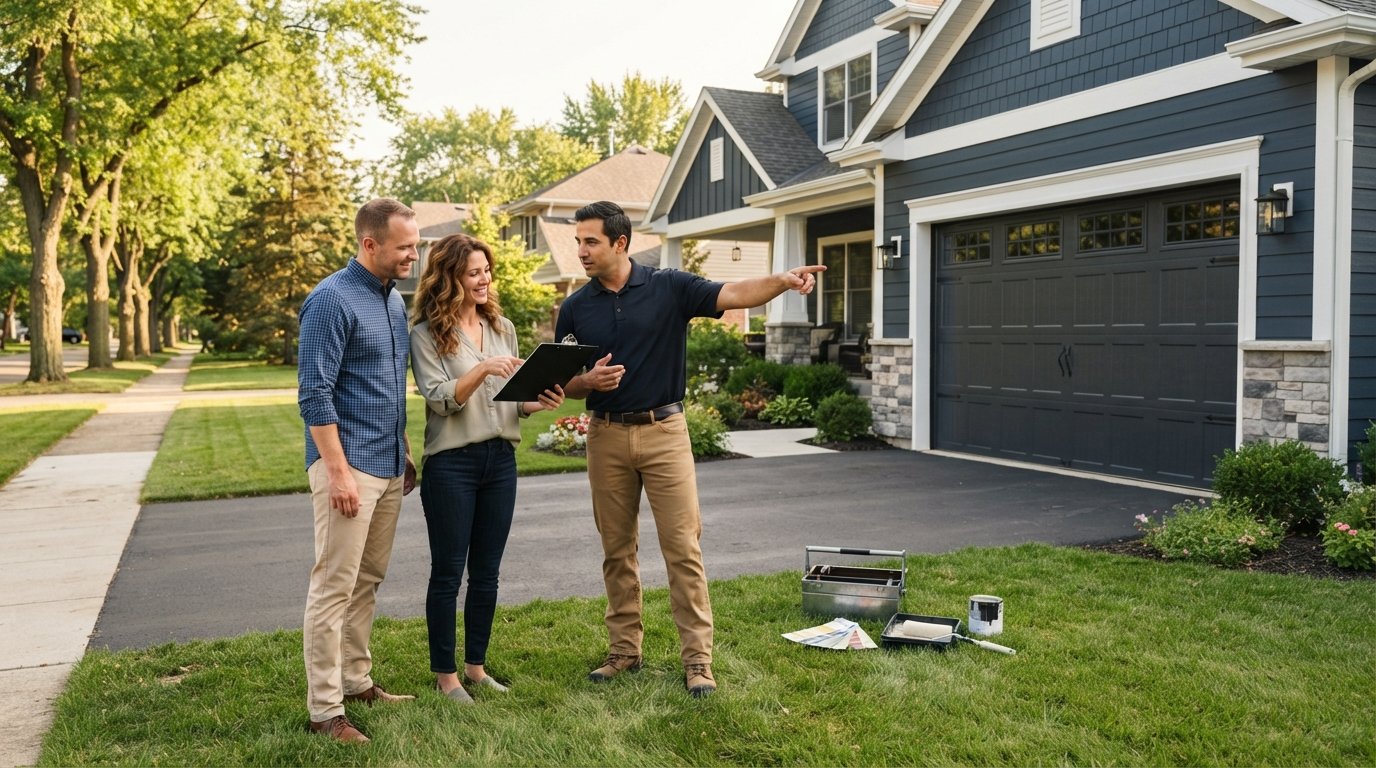
The garage door is often the largest visible feature on your home's exterior. A worn, dented, or outdated door drags down the entire facade, while a new one transforms it. Modern garage doors also come with improved insulation and quiet operation, features that appeal to buyers with electric vehicles or home gyms in the garage.
Installation typically takes a day for a qualified contractor, and the cost is modest compared to the visual impact. If your current door is more than 15 years old or shows signs of damage, replacement is one of the safest bets in home improvement.
Minor Kitchen Remodel
You do not need to gut your kitchen to see a strong return. A minor remodel focuses on the elements buyers notice most: cabinet fronts, countertops, backsplash, sink, faucet, and appliances. Refacing existing cabinets instead of replacing them can save thousands while still delivering a fresh look.
Sticking to mid-range materials is key. High-end granite and custom cabinetry may impress you, but they often push costs beyond what the neighborhood supports. A practical, well-executed update in neutral tones will attract more offers than an expensive, highly personalized design.
Entry Door Replacement
The front door is the handshake of your home. A sturdy, attractive door signals quality and security before a buyer even steps inside. Steel and fiberglass doors offer the best combination of durability, energy efficiency, and cost. Adding a smart lock or new hardware can further boost perceived value.
This project is quick, typically a few hours for a professional, and it pairs well with other curb appeal improvements like fresh paint and updated lighting. If you are preparing to sell, the entry door is one of the first things to address.
Bathroom Refresh
Bathrooms sell homes, but full renovations rarely return their full cost unless the existing space is severely outdated or dysfunctional. A refresh, on the other hand, delivers strong returns for a fraction of the price. Replace the vanity, update the mirror and lighting, regrout or replace tile, and install a new toilet and faucets.
Water efficiency is a growing selling point. Low-flow fixtures appeal to environmentally conscious buyers and can lower water bills. If your bathroom feels dark or cramped, consider a lighter color palette and better lighting to make the space feel larger.
Insulation and Window Upgrades
Energy efficiency is no longer a niche concern. Buyers increasingly ask about utility costs, and homes with poor insulation or single-pane windows raise red flags. Adding attic insulation, sealing air leaks, and replacing old windows can reduce heating and cooling expenses significantly.
These improvements also improve comfort, which buyers feel during a showing. A home that stays warm in winter and cool in summer without sky-high bills is easier to sell. Many utility companies offer rebates for efficiency upgrades, so check local incentives before you start.
How to Prioritize Your Projects
You cannot do everything at once, and you should not try. Prioritizing your improvements ensures you spend money where it matters most. Start by evaluating your home's current condition and your local market's expectations. A home with a failing roof will not benefit from a kitchen refresh until the roof is fixed.
Next, consider your timeline. If you plan to sell within a year, focus on projects with the highest ROI and fastest completion. If you are staying for five years or more, you can invest in larger improvements that you will enjoy before selling. In both cases, avoid over-improving for your neighborhood.
Finally, get professional estimates before committing. A contractor can identify hidden issues, suggest cost-effective alternatives, and help you sequence projects so you do not undo one improvement while making another. For seasonal planning, a spring home improvement checklist to boost curb appeal can help you time exterior projects when weather and demand align.
Avoiding Common Mistakes
Even high ROI projects can disappoint if executed poorly. One common mistake is choosing materials that are too expensive for the neighborhood. If every other home has laminate counters, installing quartz will not necessarily raise your sale price enough to justify the cost. Another mistake is ignoring maintenance. A new roof means little if the gutters are clogged and the siding is rotting.
DIY attempts can also backfire. While painting and simple swaps are homeowner-friendly, electrical, plumbing, and structural work should be left to licensed professionals. Poor workmanship can fail inspection, scare off buyers, and cost more to fix than hiring a pro upfront.
Finally, do not overlook permits. Unpermitted work can delay or derail a sale, and buyers may demand concessions. Always confirm that your contractor pulls the required permits and that the work meets local codes.
Working with Contractors to Maximize Returns
The right contractor does more than complete a project. They help you plan, budget, and execute in a way that protects your investment. Experienced local professionals know what buyers in your area expect, which materials hold up, and how to avoid costly delays.
When you request free estimates from multiple contractors, you gain leverage and insight. Compare not just price but scope, timeline, warranty, and communication style. A slightly higher bid from a responsive, licensed contractor is often worth more than a low bid from someone who disappears mid-project.
If you want help finding the right pro and getting the job done right, services like BuySellRemodel connect homeowners with experienced local contractors for everything from remodeling and repairs to upgrades and free estimates. This kind of support takes the guesswork out of hiring and helps you move forward with confidence.
Seasonal Timing and Market Conditions
When you complete your improvements can affect both cost and return. Exterior projects like roofing, siding, and deck repairs are best done in milder weather, while interior projects can happen year-round. In hot markets, buyers may overlook minor flaws, but in balanced or buyer-friendly markets, condition and updates matter more.
Keep an eye on local trends. If your neighborhood is seeing a wave of renovations, matching that standard helps your home compete. If most homes are original and well-maintained, a modest refresh may be enough. A real estate agent or contractor familiar with your area can provide valuable perspective.
Financing Your High ROI Improvements
You do not need to pay cash for every project. Home equity loans, HELOCs, and contractor financing can spread costs over time. Just be careful that the monthly payments do not exceed what you can comfortably afford, especially if you plan to sell before the loan is repaid.
Some improvements, like energy-efficient upgrades, may qualify for tax credits or rebates. Research federal, state, and local programs before you begin. These incentives can improve your effective ROI and make otherwise marginal projects worthwhile.
Final Thoughts
Focusing on high ROI home improvements that boost resale value is one of the smartest financial moves a homeowner can make. By prioritizing projects that combine broad appeal, reasonable cost, and visible impact, you protect your investment and make your home more attractive to buyers. Whether you start with a garage door, a minor kitchen update, or a bathroom refresh, the key is to plan carefully, hire qualified professionals, and avoid over-improving for your market. With the right strategy, your next project can pay you back when you sell.