
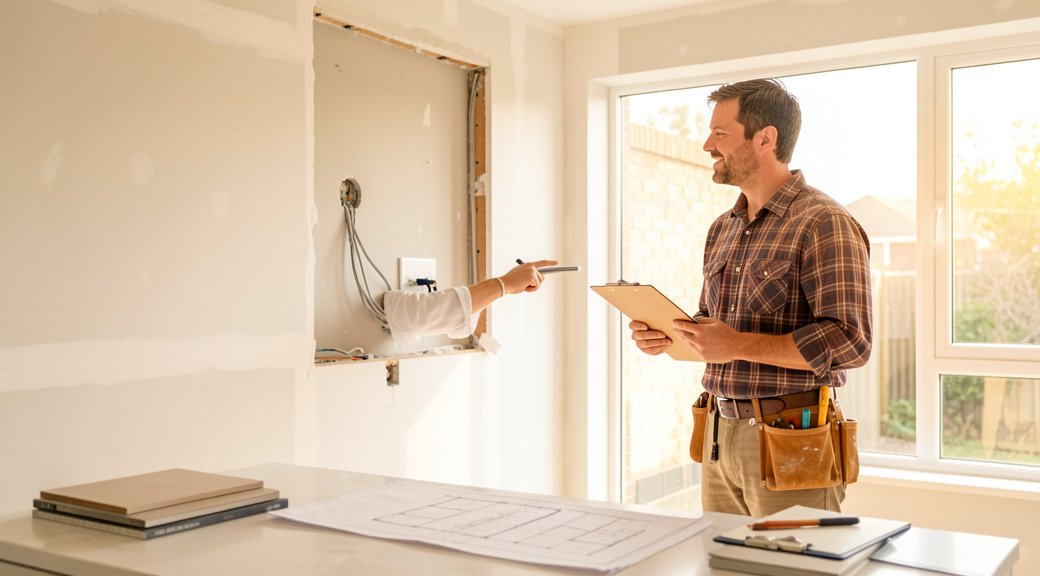
How to Hire a Remodeling Contractor Without Regret
Learn how to hire a remodeling contractor with confidence. Follow these 8 steps to avoid costly mistakes and get the home you want.

By Cameron Howard
Learn more about General Contracting for guides, costs, and what to expect.
Compare General Contracting Pros Near You

Enter your ZIP code to compare top-rated local professionals and request free quotes.
Your kitchen countertops are outdated, the bathroom tile is cracking, and that basement renovation keeps getting pushed to next year. You are ready to make a change, but the thought of hiring a stranger to remodel your home can feel overwhelming. The difference between a dream renovation and a costly nightmare often comes down to one decision: who you hire. When you hire a remodeling contractor with the right preparation, you protect your budget, your timeline, and your peace of mind. This guide walks you through every step of the process, from defining your project to signing a contract, so you can move forward with confidence.
Why the Right Contractor Matters More Than the Design
Many homeowners spend months choosing paint colors and tile patterns, yet they spend only a few hours picking a contractor. That imbalance can lead to serious problems. A skilled contractor does more than swing a hammer. They manage permits, coordinate subcontractors, order materials, and solve unexpected issues that always arise during a remodel. When you hire a remodeling contractor who communicates well and has a proven track record, the entire project runs smoother.
On the other hand, the wrong contractor can leave you with unfinished work, surprise charges, or even legal trouble. According to the National Association of State Contractors Licensing Agencies, thousands of homeowners file complaints each year against unlicensed or underqualified contractors. The good news is that you can avoid these pitfalls by following a structured vetting process. Taking time upfront saves you from headaches later.
Step 1: Define Your Project Scope Before You Search
Before you start calling contractors, you need a clear picture of what you want. A vague request like "remodel my kitchen" leads to vague bids that are hard to compare. Instead, write down the specific changes you want. For example, do you need new cabinets, a different layout, or upgraded appliances? Will you move plumbing or electrical lines? Are you keeping the same footprint or expanding?
Creating a detailed scope also helps you establish a realistic budget. Research average costs for your area and project type. For instance, a minor kitchen remodel averages around $26,000, while a major upscale renovation can exceed $70,000, according to Remodeling Magazine's Cost vs. Value report. Knowing these numbers helps you set a range that makes sense for your home and your finances.
Once you have your scope, decide on your must-haves versus nice-to-haves. This list becomes your negotiation tool. If bids come in higher than expected, you can identify where to cut costs without sacrificing what matters most.
Step 2: Research and Shortlist Candidates
Word of mouth remains one of the most reliable ways to find quality contractors. Ask friends, family, neighbors, and coworkers about their remodeling experiences. Did the contractor finish on time? Did they stay on budget? Would they hire them again? Personal recommendations give you a starting point, but you should still do your own due diligence.
Online review sites like Angi, Houzz, and the Better Business Bureau provide additional insights. Look for patterns in reviews rather than focusing on a single negative comment. A contractor with mostly positive feedback and a few minor complaints is normal. Red flags include multiple complaints about unfinished work, poor communication, or unresolved issues.
Your shortlist should include at least three contractors. This gives you enough options to compare pricing and approaches without becoming overwhelmed. When you reach out, ask each one if they can handle your specific project type. Some contractors specialize in kitchens, while others excel at additions or whole-home renovations. Matching their expertise to your project increases the chances of a successful outcome.
Step 3: Verify Licenses, Insurance, and Credentials
Hiring an unlicensed contractor is one of the biggest risks you can take. A license means the contractor has met state or local requirements for knowledge, experience, and financial responsibility. It also provides a pathway for recourse if something goes wrong. Ask to see their license number and verify it with your state's licensing board. Most states have online databases where you can check the status and any disciplinary actions.
Insurance is equally important. A contractor should carry both general liability insurance and workers' compensation. General liability covers damage to your property during the project. Workers' compensation protects you if a worker gets injured on your property. Without it, you could be held financially responsible for medical bills or legal fees. Request a certificate of insurance and call the insurance company to confirm the policy is active.
Here is a quick checklist to use during your vetting process:
- Verify the contractor's license number with your local licensing authority.
- Request a certificate of insurance for both liability and workers' comp.
- Check for any complaints or disciplinary actions on file.
- Ask for references from at least three recent projects similar to yours.
- Confirm the contractor is bonded if your state requires it.
Taking these steps may feel tedious, but they are your best defense against fraud and shoddy work. A reputable contractor will happily provide this information. If they hesitate or make excuses, consider that a warning sign.
Step 4: Interview Contractors Like You Mean It
Once you have a shortlist of qualified candidates, schedule interviews. Treat these conversations as a two-way street. You are evaluating them, but they are also evaluating you and your project. Come prepared with questions that go beyond surface-level topics.
Ask about their experience with similar projects. How long have they been in business? Do they have a portfolio or photos of completed work? Who will be the project manager on site? Will they use their own crew or subcontractors? If subcontractors are involved, how do they vet and manage them?
Communication is another critical factor. Ask how often you will receive updates and what the preferred method of contact is. Some contractors are responsive via text, while others prefer email or phone calls. The right fit depends on your communication style. During the interview, notice how they listen to your ideas and concerns. Do they offer suggestions, or do they dismiss your input? A good contractor values collaboration.
Finally, ask about their process for handling changes. Remodels almost always involve unexpected discoveries, such as outdated wiring or water damage behind walls. A clear change order process ensures you approve any additional work and costs before it happens. Without this, you might end up with a surprise bill at the end of the project.
Step 5: Compare Bids and Understand the Numbers
After interviews, request written bids from each contractor. A detailed bid breaks down labor, materials, permits, and overhead. It also specifies the payment schedule and the estimated start and completion dates. Be wary of bids that are significantly lower than the others. They may be cutting corners on materials or planning to add charges later.
When comparing bids, look beyond the bottom line. A higher bid might include higher-quality materials or a more experienced crew. It might also reflect a more realistic timeline. Ask each contractor to explain their bid in detail. This helps you understand what you are paying for and allows you to spot any discrepancies.
Remember that the cheapest option is not always the best value. You are investing in your home and your family's safety. Paying a little more for a contractor with excellent reviews and a solid track record is often worth it. On the other hand, a bid that is significantly higher than the others may indicate that the contractor is not interested in the project or is overestimating the work involved.
Step 6: Check References and Visit Past Projects
References are more than just a list of names. They are your window into how a contractor works on a daily basis. Call each reference and ask about their experience. Were they satisfied with the quality of work? Did the contractor stick to the budget and timeline? How did they handle problems or changes? Would they hire the contractor again?
If possible, visit a recent project in person. Seeing the finished work up close gives you a sense of the craftsmanship. It also allows you to talk to the homeowner in person, which often yields more honest feedback than a phone call. Ask about the contractor's communication style, cleanliness, and whether they respected the home.
Pay attention to how the contractor responds to your requests for references. A confident contractor will provide them readily. If they seem reluctant or give you a list of people who are unavailable, that is a red flag. You want a contractor who is proud of their work and happy to share it.
Step 7: Get Everything in Writing
Verbal agreements are not enough when it comes to remodeling. A detailed written contract protects both you and the contractor. It should include the full scope of work, a list of materials with specific brands and models, the payment schedule, the start and completion dates, and a process for changes. It should also specify who is responsible for obtaining permits and cleaning up the job site.
Make sure the payment schedule is tied to project milestones, not dates. For example, you might pay 10% upfront, 30% when demolition is complete, 30% when rough-in work is done, and the final 30% upon completion. Avoid paying more than 10% upfront, and never pay the full amount before the work is finished. A contractor who demands large upfront payments may be in financial trouble.
Read the contract carefully before signing. Look for vague language that could be interpreted in multiple ways. If something is unclear, ask for clarification. If the contractor is unwilling to make changes to the contract, consider that a red flag. A fair contract benefits both parties and sets the stage for a positive working relationship.
Step 8: Manage the Project Like a Pro
Once the contract is signed, your role shifts from selector to project manager. Stay involved throughout the process, but avoid micromanaging. Establish a communication routine with the contractor. Weekly check-ins, either in person or by phone, help you stay informed about progress and any issues that arise.
Keep a file with all important documents: the contract, change orders, receipts, permits, and warranty information. If a dispute arises, this documentation is your best ally. Also, take photos of the work at each stage. These images serve as a visual record and can help resolve any disagreements about the final result.
When the contractor requests a change order, review it carefully. Ask how the change affects the cost and timeline. You have the right to approve or reject any changes before work continues. This keeps you in control of your budget and prevents scope creep.
The Value of Free Estimates and Comparing Options
One of the smartest ways to approach hiring a contractor is to use free estimate services. These platforms connect you with multiple local contractors who provide quotes for your specific project. Instead of spending days researching individual companies, you can receive several bids in one place. This saves you time and gives you a broader view of the market.
At HomeReModelingsContractors.com, we make it easy to find experienced professionals in your area. By filling out a simple form, you can request free estimates from prescreened contractors who specialize in your type of project. Whether you are remodeling a kitchen, adding a bathroom, or finishing a basement, we help you compare options and move forward with confidence.
Using a free estimate service also signals to contractors that you are a serious buyer. They know you are comparing bids, which encourages them to offer competitive pricing. It also gives you leverage in negotiations. If one contractor quotes a price that seems high, you can mention that you are considering other offers. This often leads to adjustments or added value.
Final Thoughts on Hiring a Remodeling Contractor
Hiring a remodeling contractor is a significant decision, but it does not have to be a stressful one. By defining your project, researching candidates, verifying credentials, and communicating clearly, you set the stage for a successful renovation. The extra time you invest in the vetting process pays off in the form of quality workmanship and a smooth experience.
Remember that your home is one of your biggest investments. Protecting it starts with choosing the right people to work on it. When you hire a remodeling contractor who is licensed, insured, and communicative, you are not just paying for labor. You are paying for peace of mind. And when the project is complete, you can enjoy your newly remodeled space without lingering doubts. Start your search today with a free estimate request, and take the first step toward the home you have always wanted.