
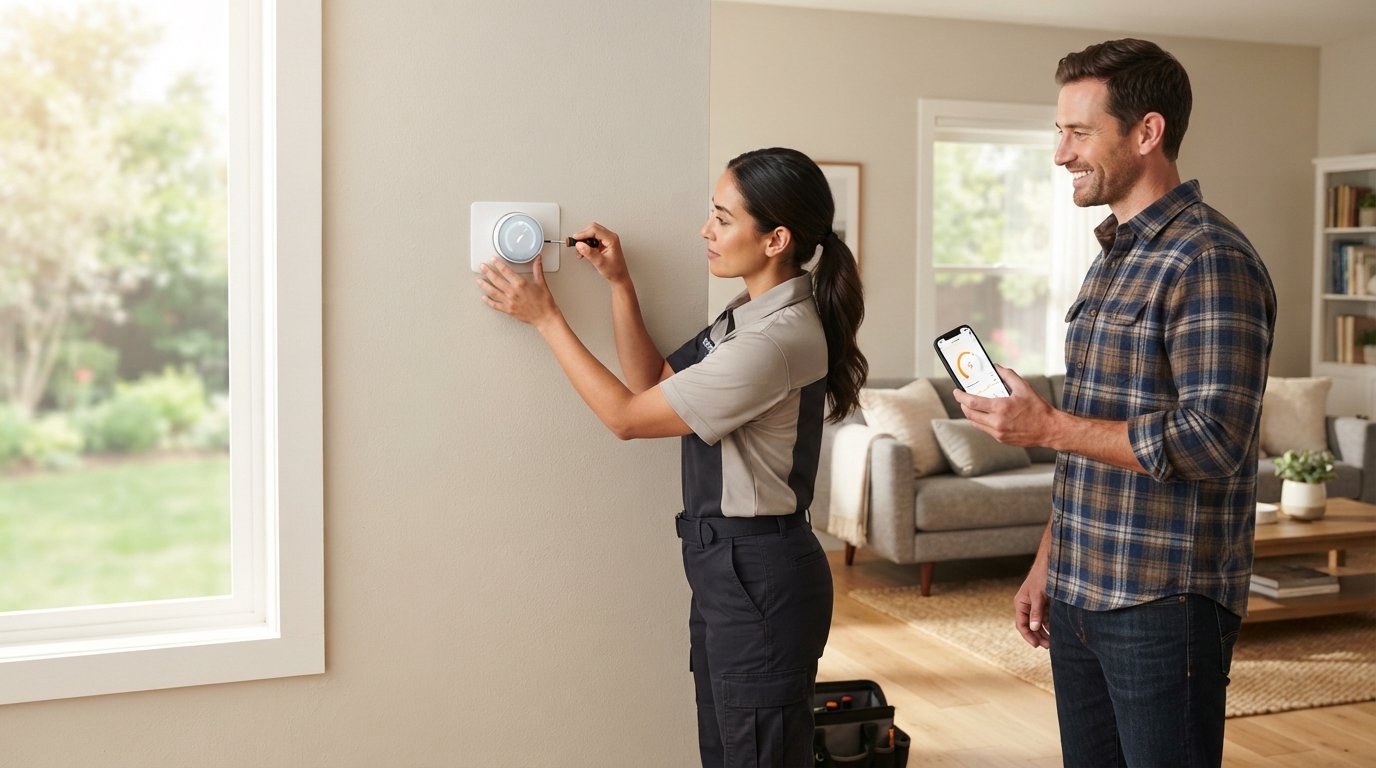
Smart Thermostat Installation Cost and Benefits Guide
Discover how smart thermostat installation costs compare to the energy savings and convenience they deliver, with tips for maximizing your investment.

By Sarah Thomas
Learn more about Thermostat Installation or Repair for guides, costs, and what to expect.
Compare Thermostat Installation or Repair Pros Near You

Enter your ZIP code to compare top-rated local professionals and request free quotes.
Imagine adjusting your home's temperature from your phone, or having your heating and cooling system automatically lower the thermostat when you are asleep. This is the everyday reality of owning a smart thermostat. But before you rush to buy one, you probably have two questions: how much will it cost to install, and what are the real benefits? This guide breaks down the smart thermostat installation cost and benefits, helping you decide if this upgrade is right for your home and budget.
Why Homeowners Are Switching to Smart Thermostats
Smart thermostats have moved from a niche gadget to a mainstream home improvement. They learn your schedule, adjust temperatures automatically, and provide detailed energy usage reports. The appeal is strong for budget-conscious homeowners, as the potential for lower energy bills is a major draw.
Beyond simple remote control, these devices offer features like geofencing, which uses your phone's location to adjust the temperature when you leave or approach home. Some models even integrate with other smart home devices, creating a fully automated and efficient household. This level of control can lead to significant savings, which we will explore later in this article.
Breaking Down the Smart Thermostat Installation Cost
The total cost to install a smart thermostat includes two main parts: the price of the device itself and the cost of professional installation. Let's look at each of these pieces to give you a realistic picture.
Device Price Ranges
The cost of a smart thermostat can range widely based on brand, features, and compatibility. Budget-friendly models start around $100, while premium versions with advanced sensors and more intuitive interfaces can cost $250 or more. The most popular brands, like Nest and Ecobee, typically fall in the $130 to $250 range.
When choosing a model, consider the size of your home and your existing HVAC system. Some thermostats offer better multi-room temperature control, which can be a worthwhile investment for larger homes. It's important to compare features like voice control, energy reports, and integration with your other smart devices.
Professional Installation Costs
Professional installation is not always required, but it is recommended for most homeowners. If you hire a licensed HVAC technician, installation costs typically range from $100 to $200. This price includes the labor, any minor wiring adjustments, and the peace of mind that comes with a job done correctly.
In some cases, your existing wiring may be incompatible with a smart thermostat, requiring a power adapter or a new C-wire. This can add a bit to the installation cost. Your technician can assess this before installation, so you won't face surprise charges later. On the other hand, if your system is compatible, the installation is often straightforward and takes less than an hour.
DIY Installation: Is It Worth the Risk?
For the handy homeowner, DIY installation can save the $100 to $200 installation fee. Many smart thermostats come with clear instructions and helpful mobile apps that guide you through the wiring process. If you are comfortable working with low-voltage wiring and have a basic understanding of your HVAC system, this can be a satisfying weekend project.
However, there are risks. Incorrect wiring can damage your thermostat or, worse, your HVAC system. If you are not confident, the cost of professional installation is a small price compared to a potential repair. We always recommend erring on the side of caution when dealing with anything electrical.
Core Benefits of Upgrading to a Smart Thermostat
Now, let's focus on the benefits. The primary reason homeowners switch is the potential for energy savings, but the advantages go beyond just saving money. Here are the key benefits you can expect:
- Lower energy bills: Smart thermostats optimize your heating and cooling schedule, reducing waste and saving you money each month.
- Remote access and control: Adjust your home's temperature from anywhere using your smartphone, making it easy to warm up your home before you arrive.
- Learning capabilities: Many models learn your routine and preferences, automatically adjusting temperatures for maximum comfort and efficiency.
- Energy usage reports: Get detailed insights into your energy consumption, helping you identify ways to save even more.
These benefits contribute to a more comfortable and efficient home. When you combine the savings on your energy bill with the convenience of remote control, the value becomes clear. Over time, these savings can help offset the initial cost of the device and installation.
Real-World Energy Savings
The Department of Energy estimates that you can save about 10% a year on heating and cooling costs by simply turning your thermostat back 7 to 10 degrees Fahrenheit for 8 hours a day. Smart thermostats make this effortless by automating these adjustments. Some manufacturers claim even higher savings, but a 10% to 15% reduction is a realistic expectation for most homes.
For an average household, this can translate to $100 to $150 in annual savings. Over the lifespan of the thermostat, which is typically 10 years or more, the savings can easily exceed the total cost of purchase and installation. This makes the smart thermostat a financially sound investment for many homeowners.
Factors That Affect Your Total Cost
To get an accurate estimate for your situation, consider these variables. They can influence the final price you pay for a smart thermostat installation.
HVAC System Compatibility
Your existing heating and cooling system must be compatible with the smart thermostat you choose. Most modern systems work fine, but older systems, especially those with heat pumps or electric baseboard heating, may require special models. This could increase the price of the device.
Before purchasing, check the manufacturer's compatibility tool on their website. This will help you avoid buying a thermostat that won't work with your system. If you are unsure, a professional HVAC technician can inspect your system and recommend the right model.
Wiring and Electrical Requirements
Most smart thermostats require a common wire, or C-wire, to provide continuous power. If your system lacks a C-wire, a professional installation will include adding one or installing a power adapter. This is a common installation task and usually adds $20 to $50 to the labor cost.
If you are doing a DIY installation, you may be able to install a plug-in power adapter yourself. However, if you are not comfortable with electrical work, this is another reason to hire a professional. A licensed electrician or HVAC tech can handle this safely and efficiently.
Location and Accessibility
The location of your current thermostat affects labor time. If it's in an easy-to-access spot on an interior wall, the job is quick. If it's in a difficult location, like high on a vaulted ceiling or in a tight closet, the technician may need more time, which can slightly increase the installation cost.
It's also worth considering the placement of your new thermostat. For optimal performance, it should be in a central location away from direct sunlight, drafts, and heat sources like ovens. Your installer can advise you on the best spot for accurate temperature readings.
Comparing Smart vs. Programmable Thermostats
Before you commit to a smart thermostat, it's helpful to compare it with a traditional programmable thermostat. Programmable thermostats are cheaper, usually around $30 to $50, and they can also help you save energy by following a set schedule. However, they lack the intelligence and convenience of smart models.
Smart thermostats learn from your behavior, adjust to weather changes, and can be controlled remotely. This level of automation results in greater energy savings and comfort. For most homeowners, the additional cost of a smart thermostat is justified by the increased savings and convenience.
If you are on a very tight budget, a programmable thermostat is a decent alternative. But if you want to maximize savings and have a truly modern, efficient home, a smart thermostat is the better long-term investment.
Making the Smart Choice: A Step-by-Step Plan
Ready to move forward? Here is a simple plan to help you get the best value from your smart thermostat project.
- Check your HVAC system: Confirm its compatibility with smart thermostats, and note the type of system you have (e.g., forced air, heat pump).
- Choose a model: Select a thermostat that fits your budget and has the features you want. Read reviews to ensure it's reliable and easy to use.
- Decide on DIY or pro: Assess your comfort level with wiring. If you have any doubts, schedule a professional installation.
- Get a quote: If you hire a pro, request a free estimate from a local HVAC company to know the exact installation cost upfront.
- Schedule the installation: Pick a time that works for you. Installation typically takes 30 to 60 minutes.
- Configure and enjoy: Once installed, connect the thermostat to your Wi-Fi and set up your preferences in the app.
Following these steps ensures a smooth process. For more complex HVAC projects, you might find our guide on patio door installation helpful, as it covers similar cost and planning considerations for a different home improvement.
How to Save Money on Installation
There are several ways to reduce the smart thermostat installation cost and benefits package. First, check with your utility company. Many offer rebates or incentives for installing energy-efficient smart thermostats. These rebates can range from $25 to $100, significantly lowering your upfront costs.
Second, time your purchase. Many manufacturers and retailers offer discounts during seasonal sales events. Finally, consider the professional installation. While it adds to the cost, a proper installation ensures your thermostat works correctly and can prevent costly problems down the line. You can also compare quotes from different contractors to find the best price.
For more help planning your home improvement budget and finding a reliable contractor, services like BuySellRemodel can connect you with local pros for free estimates. This approach helps you compare costs and make an informed decision.
Is a Smart Thermostat Worth It?
For the vast majority of homeowners, the answer is a resounding yes. The combination of energy savings, convenience, and comfort is compelling. The smart thermostat installation cost and benefits are well balanced when you consider the long-term savings and increased home value.
Smart thermostats are not just a gadget; they are a practical investment in your home's efficiency. They offer a hands-off approach to energy management, which is especially valuable for busy families or those who travel frequently. The ability to monitor and control your home's climate from anywhere provides peace of mind and contributes to a more sustainable lifestyle.
Final Thoughts on Smart Thermostat Installation
Upgrading to a smart thermostat is one of the most cost-effective home improvements you can make. The initial cost is moderate, and the benefits, including reduced energy bills and enhanced comfort, are immediate and long-lasting. By understanding the factors that influence installation costs and the savings you can expect, you can make a confident decision.
Whether you choose to install it yourself or hire a professional, the key is to select a quality device that suits your home and lifestyle. Take the time to research models, check compatibility, and explore rebate opportunities. With careful planning, you can enjoy the comfort and savings of a smart home environment for years to come.