
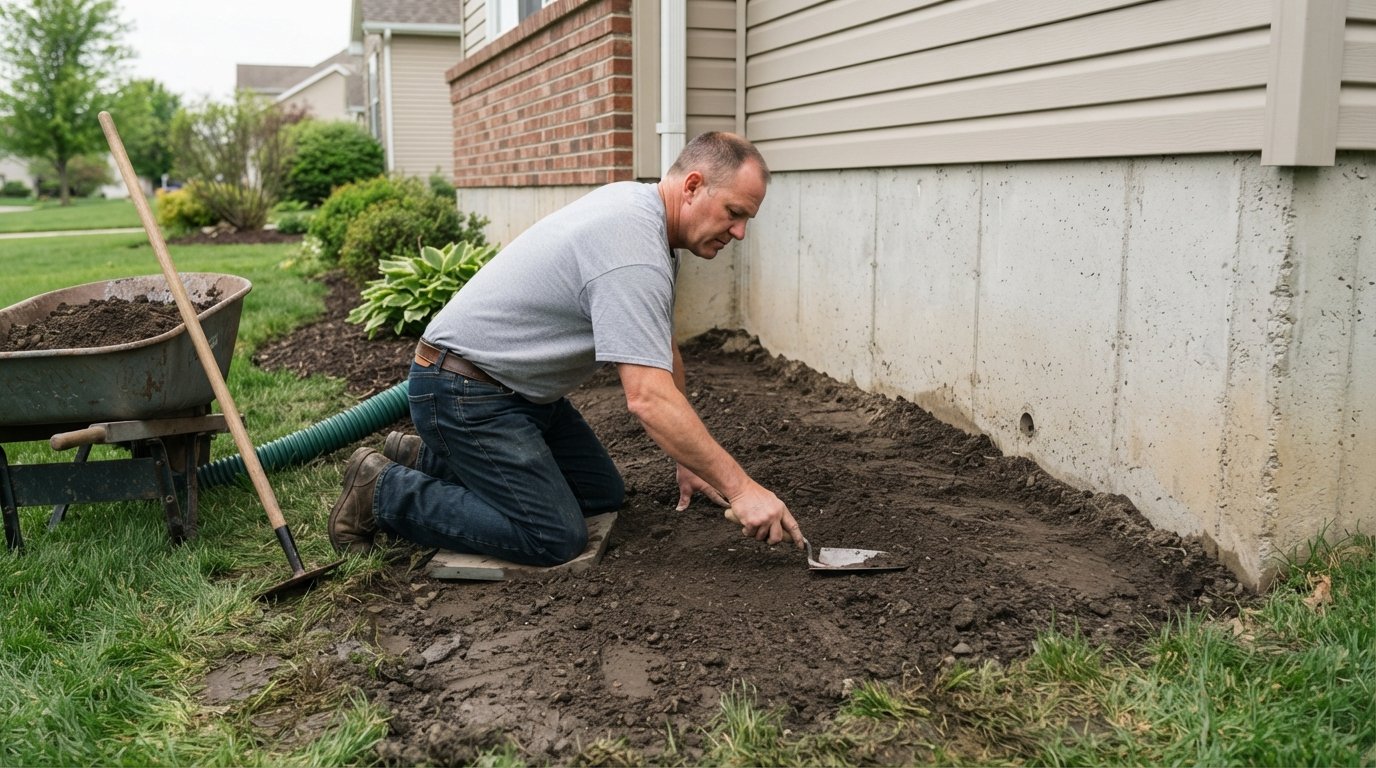
Soil Grading and Drainage Fixes to Protect Your Foundation
Protect your foundation with soil grading and drainage fixes. Call (833)-439-3727 to connect with local pros and prevent costly water damage.

Learn more about Land Leveling and Grading for guides, costs, and what to expect.
Compare Land Leveling and Grading Pros Near You

Enter your ZIP code to compare top-rated local professionals and request free quotes.
Water is the most persistent enemy of your home's foundation, and it rarely announces itself with a dramatic flood. More often, it arrives quietly: a slow seep after heavy rain, a musty smell in the basement, a hairline crack that widens season after season. The culprit is frequently not the concrete itself but the soil and drainage system around it. When the ground slopes toward your house or gutters dump water at the base of the walls, you are essentially directing stormwater into the one place you least want it. The good news is that soil grading and drainage fixes to keep water out of your foundation are among the most cost-effective preventive measures a homeowner can take, often costing far less than the structural repairs they help you avoid.
Why Water Around the Foundation Is a Serious Problem
Foundation damage from water is rarely instantaneous. It is a cumulative process that unfolds over months and years, which is why it often goes unnoticed until the repair bill is substantial. When soil stays saturated against your foundation walls, hydrostatic pressure builds up and pushes against the concrete or block. That pressure creates cracks, widens existing ones, and can eventually cause bowing or shifting. In colder climates, saturated soil expands as it freezes, exerting even more force on the foundation.
The consequences extend beyond the foundation itself. Water that finds its way into a basement or crawl space raises indoor humidity, which can lead to mold growth, wood rot, and poor indoor air quality. It can also undermine the soil beneath a slab, leading to uneven floors and sticking doors. For homeowners planning a basement finishing project, addressing moisture first is non-negotiable; our guide on basement waterproofing and moisture fixes before finishing explains why skipping this step can ruin an otherwise solid remodel.
Understanding the path water takes around your home is the first step toward controlling it. Water follows gravity, and the soil surface is the primary map that tells it where to go. If that map points toward your foundation, no amount of interior waterproofing will fully solve the problem. The goal is to manage water at the source: on the surface and in the soil immediately surrounding the house.
How Soil Slope Directs Water Toward or Away From Your Foundation
The slope of the soil around your home, often called the grade, is the single most important factor in keeping water out of your foundation. Building codes generally require the ground to slope away from the foundation at a rate of about 6 inches over the first 10 feet. This modest pitch encourages rainwater to run away from the house rather than pooling against it. Over time, however, that slope can flatten or even reverse due to settling, erosion, landscaping changes, or the natural accumulation of mulch and soil against the walls.
A negative grade, where the soil slopes toward the house, is a common and serious issue. It can develop when homeowners add soil or mulch to garden beds against the foundation, when downspouts discharge too close to the walls, or when the original grading was never adequate. Even a slope that is flat rather than negative can cause problems, because water will sit against the foundation until it evaporates or soaks in.
Checking your grade is straightforward. Grab a level and a long straightedge, or simply observe where water pools after a heavy rain. If puddles form within a few feet of the foundation and linger for hours, you have a drainage problem. The fix, regrading, involves reshaping the soil so it slopes away from the house. This can be as simple as adding a few inches of compactable soil near the walls and tapering it outward, or as involved as regrading an entire yard. The right approach depends on the severity of the slope issue and the presence of other factors like hardscaping or mature trees.
Gutters, Downspouts, and Splash Blocks: The First Line of Defense
Even perfect grading cannot handle the volume of water that a roof collects during a storm. A typical roof can shed hundreds of gallons of water in a single rainfall, and if that water is deposited at the base of the foundation, it will overwhelm the soil's ability to drain it away. Gutters and downspouts are designed to capture roof runoff and channel it away from the house, but they only work if they are properly installed and maintained.
Clogged gutters are a frequent culprit. When leaves and debris block the flow, water overflows the gutter and falls directly onto the ground next to the foundation, eroding the soil and creating a negative grade over time. Regular gutter cleaning, at least twice a year and more often if you have overhanging trees, is essential. Downspouts should extend at least 4 to 6 feet away from the foundation, and ideally farther. Many homes have downspouts that terminate right at the wall, which defeats the purpose entirely.
Extensions and splash blocks are simple, inexpensive solutions. A downspout extension is a flexible or rigid piece of pipe that attaches to the end of the downspout and carries water farther from the house. Splash blocks are placed at the discharge point to diffuse the water's energy and prevent soil erosion. For homes with chronic water issues, connecting downspouts to an underground drainage system that carries water to a storm drain or a dry well is a more robust solution. The following steps outline a practical approach to upgrading your gutter and downspout system:
- Inspect and clean gutters at least twice a year to ensure unobstructed flow.
- Verify that all downspouts discharge at least 4 to 6 feet from the foundation.
- Install downspout extensions or splash blocks at every discharge point.
- Consider burying downspout lines to carry water to a safe release point away from the house.
- Check the ground where water discharges and add soil or rock to prevent erosion.
These measures are inexpensive and can be completed in a weekend, yet they dramatically reduce the volume of water that reaches your foundation. For homeowners planning larger outdoor projects, coordinating gutter improvements with landscaping and hardscaping work can save time and money.
French Drains and Swales: When Surface Fixes Are Not Enough
Sometimes regrading and gutter extensions are not sufficient, especially on properties with flat terrain, heavy clay soil, or a high water table. In these cases, subsurface drainage systems such as French drains and surface swales can redirect water that would otherwise sit against the foundation.
A French drain is a trench filled with gravel and a perforated pipe that collects groundwater and carries it away. It is typically installed along the foundation footing or in a low area of the yard where water tends to collect. French drains are effective at intercepting water before it reaches the foundation, but they require careful design to work properly. The trench must slope correctly, the pipe must be properly sized, and the discharge point must be lower than the collection area. A poorly installed French drain can clog or fail, so this is a job best left to experienced drainage contractors.
A swale is a shallow, vegetated depression that channels surface water away from the house. Unlike a French drain, which handles subsurface water, a swale manages water that is already running across the surface. Swales are often used in conjunction with regrading to create a clear path for water to follow. They can be planted with grass or other vegetation to prevent erosion and improve appearance. The key is to ensure the swale slopes consistently away from the foundation and toward a safe discharge point, such as a storm drain, dry well, or natural drainage area.
Both French drains and swales are worth considering when simpler fixes have not resolved the problem. Signs that you may need one include standing water in the yard after rain, a persistently damp basement, or visible water stains on the foundation walls. A professional assessment can determine which solution is appropriate for your property's specific soil and topography.
Cost Ranges for Regrading and Drainage Corrections
Understanding the cost of soil grading and drainage fixes helps homeowners budget realistically and compare contractor quotes. Prices vary significantly by region, property size, and the complexity of the work, but the following ranges provide a general guide for common projects.
- Regrading a small area near the foundation: $500 to $1,500, depending on access and soil quantity.
- Full yard regrading: $2,000 to $6,000 or more, based on square footage and site conditions.
- Downspout extensions and splash blocks: $20 to $100 per downspout for basic materials.
- Buried downspout drainage system: $500 to $1,500 per line, including trenching and materials.
- French drain installation: $1,500 to $5,000, depending on length, depth, and discharge point.
- Swale construction: $1,000 to $3,000, including excavation and seeding.
These figures are ballpark estimates, and actual costs can be higher if the work involves removing existing hardscaping, dealing with difficult access, or addressing related issues like tree roots or utility lines. Obtaining multiple quotes is the best way to understand what your specific project will cost. When comparing bids, ask contractors to explain their approach, the materials they will use, and how they will ensure proper slope and drainage. The lowest bid is not always the best value if it cuts corners on design or materials.
It is also worth considering the cost of doing nothing. Foundation repairs can run into the tens of thousands of dollars, and water damage remediation is similarly expensive. Viewed against those potential costs, a few thousand dollars spent on preventive grading and drainage is a sound investment. Homeowners who plan to sell in the future should also note that unresolved water issues often surface during inspections and can derail a sale.
Signs of Water Intrusion That Warrant a Professional Inspection
Some water problems are obvious, but others develop slowly and quietly. Knowing the warning signs can help you act before minor issues become major repairs. The following indicators suggest that water is finding its way into your foundation or basement and that a professional inspection is warranted:
- Efflorescence, a white powdery substance on foundation walls, indicating moisture movement through concrete.
- Hairline cracks in foundation walls or floors that widen over time.
- Musty odors or high humidity in the basement or crawl space.
- Water stains or damp spots on basement walls or floors after rain.
- Standing water in the yard or against the foundation after storms.
- Doors or windows that stick or no longer close properly, suggesting foundation movement.
If you notice any of these signs, a professional inspection can identify the source of the water and recommend appropriate fixes. In some cases, the solution may be as simple as regrading and extending downspouts. In others, a more comprehensive drainage system may be needed. A qualified contractor can assess your soil, grading, and drainage and provide a clear plan with cost estimates.
For homeowners planning broader improvements, coordinating foundation and drainage work with other projects can be efficient. Whether you are considering a basement remodel, an addition, or exterior upgrades, addressing water management first protects your investment. If you are looking for experienced local contractors to handle grading, drainage, or foundation repairs, BuySellRemodel helps homeowners plan affordable projects and connect with trusted pros, making it easier to get the job done right.
Preventive Maintenance to Keep Water Away Year-Round
Once you have addressed grading and drainage issues, ongoing maintenance is essential to keep them from recurring. Soil settles, gutters clog, and landscapes change. A simple seasonal routine can prevent many problems before they start. Each spring and fall, inspect your gutters and downspouts and clean them as needed. Check the slope of the soil around the foundation and add soil if you notice low spots or areas where water pools. Look for signs of erosion at downspout discharge points and add splash blocks or rock as necessary.
Landscaping choices also matter. Avoid planting shrubs or trees too close to the foundation, as roots can damage drainage systems and create pathways for water. Keep mulch and soil levels below the top of the foundation wall to prevent moisture from wicking into the structure. If you have an irrigation system, make sure it is not spraying directly onto the foundation or creating oversaturation in one area.
Finally, pay attention to how water behaves during storms. After a heavy rain, walk around your house and observe where water flows and where it pools. This simple practice can reveal problems early, when they are easiest and least expensive to fix. Homeowners who stay proactive with soil grading and drainage fixes to keep water out of your foundation avoid the costly surprises that come with neglected water management.
Protecting your foundation is one of the most important investments you can make in your home. With proper grading, well-maintained gutters, and appropriate drainage solutions, you can keep water where it belongs and preserve the structural integrity of your home for years to come. When in doubt, consult a qualified contractor who can assess your specific situation and recommend the right combination of fixes for your property.